Santa Maria presso San Satiro: Milan's False Church
A small Renaissance church on Via Torino, two minutes from the Duomo, built around an optical illusion that turns a flat wall into a deep choir.
Editorial guide · Updated 2026-11-02
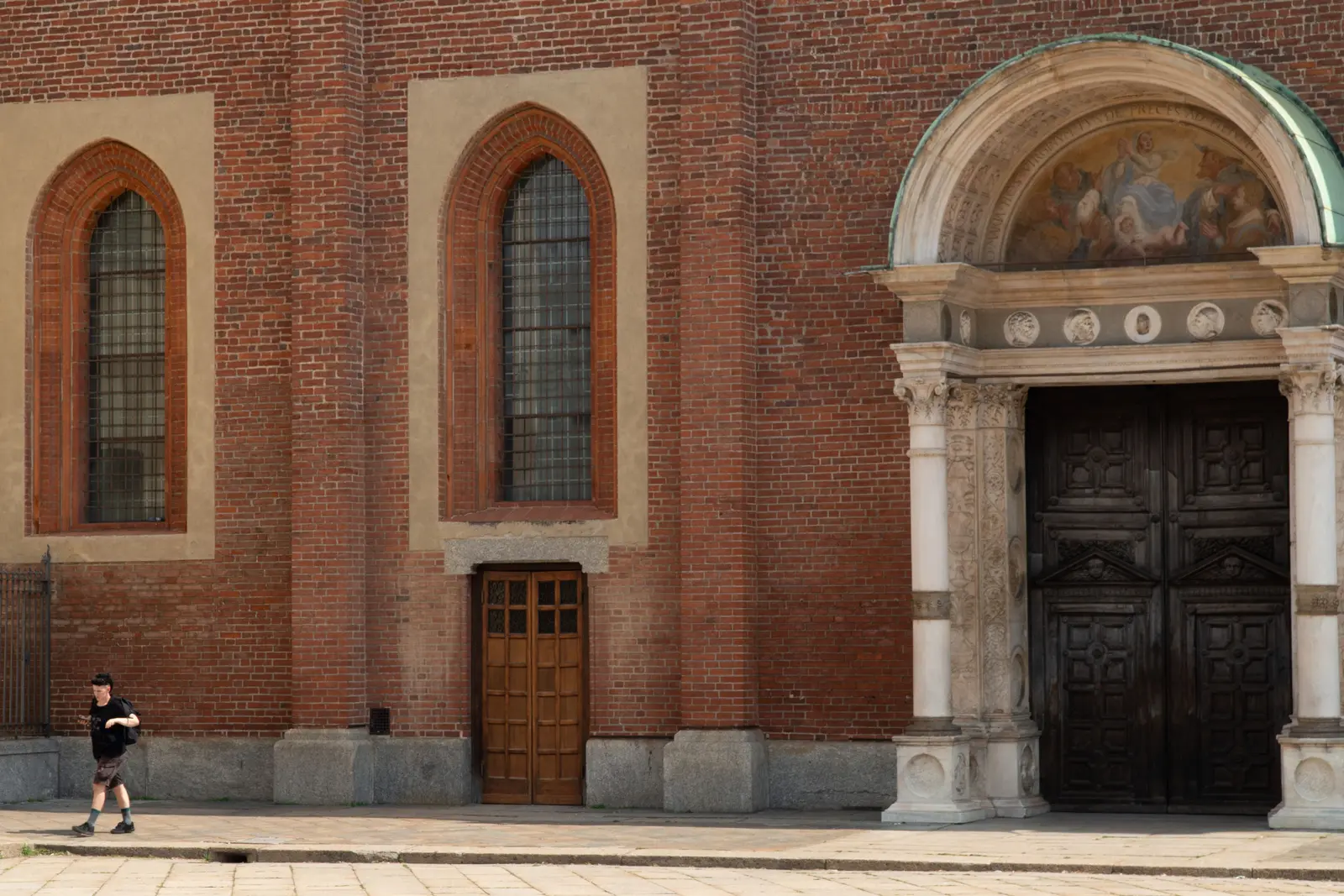
Santa Maria presso San Satiro is a small church on Via Torino, a two-minute walk from Piazza del Duomo. It's easy to walk past. Inside, the thing to see is a piece of architecture that isn't really there: the choir behind the altar looks like a deep room, but it's a flat wall painted and carved to look that way.
Go for the illusion itself, not for a long visit. Ten minutes is enough to see the effect from different points in the nave and understand how it was done.
The Practical Details
Design of the church began in 1470 under Donato Bramante, commissioned to rebuild and enlarge an earlier chapel on the site. The church was built in the second half of the 15th century to house a votive image of the Madonna and Child that was already venerated at the site before construction began.
Opening hours and entry fee: We could not confirm current opening hours or whether there is an entry fee from an official source. Third-party listings disagree with each other, so we are not repeating a specific schedule here. If the church matters to your plans, check locally once you arrive, or call ahead on +39 02 874683 (the number listed for the parish).
Closing days: Not confirmed from an official source.
Getting there: The church is on Via Torino, close enough to Piazza del Duomo to walk. Metro lines M1 and M3 both stop at Duomo. Tram lines 2, 3, 12, 14, 15, 16, 19, 23, and 24 run along or near Via Torino.
Accessibility: Not confirmed from an official source. The building is centuries old; assume uneven steps at the entrance unless you can confirm otherwise with the parish.
Why the Apse Isn't Real
The church sits on a tight plot, with a public street running directly behind where a full-length choir would normally go. Rather than shorten the altar area or reroute the street, Bramante built the apse as a shallow recess and used painted architecture and carved relief to extend it visually. Standing in the nave and looking straight down the aisle, the false choir reads as a deep, coffered space. Moving close to the altar breaks the illusion: the depth collapses into a few feet of painted stone.
This is the same category of trick as a stage set, applied to a permanent building. It's worth walking the length of the nave slowly, rather than taking a single photo from the door, to see the illusion build and then fail as your angle changes.
The Rest of the Church
Away from the false apse, the church holds an octagonal baptistry attributed to Bramante's circle, and the original votive image that the building was constructed to protect. Neither is a long stop. The real reason to come is the choir trick, and most visitors are in and out within ten to fifteen minutes.
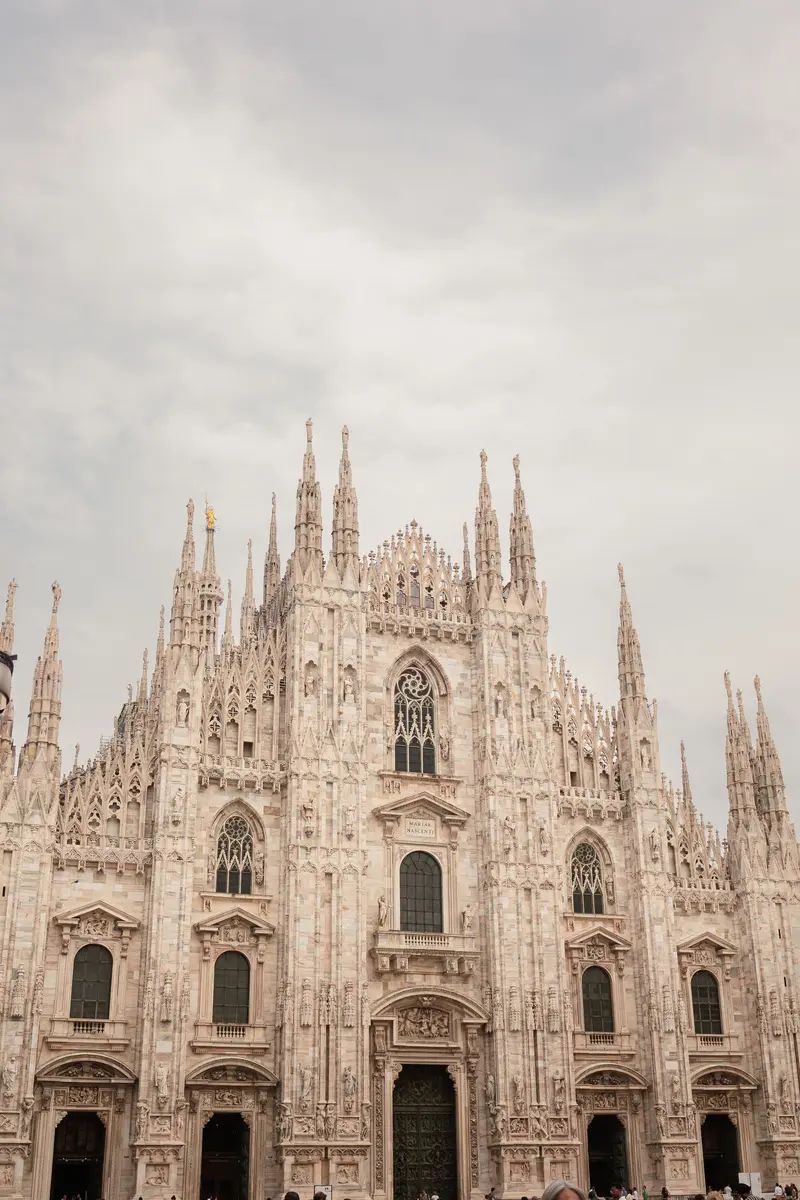
If you're doing the Duomo on the same day, this is a short detour on the way rather than a separate trip. See our Milan Duomo guide for the main cathedral visit, or our free things to do in Milan guide for other no-cost stops nearby.
In pictures
Frequently Asked Questions
Is Santa Maria presso San Satiro free to enter?
We could not find an official source stating an entry fee or confirming free entry. Treat it as a working church rather than a paid monument, and check locally on the day.
What is the famous optical illusion at Santa Maria presso San Satiro?
The apparent choir behind the altar is not a real room. The street running directly behind the building left no space to build a true choir, so the architect painted and sculpted a shallow recess to look like a deep one when viewed from the nave.
Who designed Santa Maria presso San Satiro?
Donato Bramante, starting in 1470. He later became one of the architects of St Peter's Basilica in Rome.
How do I get to Santa Maria presso San Satiro?
It's on Via Torino, within walking distance of Piazza del Duomo. The Duomo stop on metro lines M1 and M3 is the nearest, and several tram routes (2, 3, 12, 14, 15, 16, 19, 23, 24) run along or near Via Torino.