The Best Gelato in Milan: 7 Gelaterie Worth Visiting
Seven Milan gelaterie worth seeking out, from Il Massimo del Gelato and Gelateria Marghera to neighbourhood favourites, plus how to spot the real thing.
Editorial guide · Updated 2026-08-20
Milan is not the first Italian city people name when they talk about gelato. That is useful: the best shops here are less likely to be built around a queue of tourists and more likely to be serious neighbourhood businesses where the pistachio is actually made from pistachios and the chocolate is allowed to taste like chocolate.
The important distinction is not between “artisanal” and “commercial” — almost every gelateria uses the word. It is between gelato made in small batches with good ingredients and a brightly coloured frozen dessert that has been sitting in a mountain of air all afternoon. This is the short list worth crossing the city for.
The Short List
Il Massimo del Gelato: The must-visit stop
If you only make one dedicated gelato trip in Milan, make it to Il Massimo del Gelato. It belongs on the short list for visitors who want a destination gelateria rather than a convenient scoop on the way to another sight. Put it near the top of your food plans and take time to compare a classic flavour with something seasonal.
The useful approach here is simple: ask what the team recommends that day, then choose two flavours rather than trying to turn the visit into a tasting flight. A good gelateria should make the ingredients legible — the nut flavours should taste like nuts, the chocolate should have depth, and fruit should taste fresh rather than merely sweet.
Best for: a must-visit gelato stop and travellers willing to cross Milan for a serious scoop.
Gelateria Marghera: A neighbourhood favourite
Gelateria Marghera is the choice when your itinerary takes you west of the centre and you want gelato to feel like part of the neighbourhood rather than a tourist checklist. It is a natural stop to pair with an afternoon around Wagner, De Angeli, or the Marghera streets.
Choose one familiar flavour and one fruit or seasonal option. That combination tells you more about the shop than ordering two very rich creams, and it keeps the stop refreshing in warmer weather.
Best for: a west-Milan afternoon, a relaxed neighbourhood stop, and visitors who want to add a local-feeling gelateria to their route.
Artico: The reliable all-rounder
Artico has locations around Milan, including Brera and Isola, and is one of the safest recommendations for a visitor who wants excellent gelato without turning the afternoon into a research project. The flavours are clean and recognisable: pistachio, hazelnut, dark chocolate, fruit sorbets when the season is right.
The pistachio is the test. It should be savoury, slightly earthy, and not fluorescent green. If you want a second flavour, pair it with a fruit sorbet rather than another nut — the contrast makes both taste more intense.
Best for: a first gelato in Milan, families, and a stop between Brera's galleries.
Ciacco: Precision near the Duomo
Ciacco is the central option for people who want a genuinely good scoop without making a special journey. It is close to the Duomo, but the quality is not a concession to the location. The shop is known for carefully made flavours, proper texture, and a menu that changes with the ingredients.
Go beyond the obvious. Ask what is freshest that day, then take one classic flavour and one seasonal or more unusual choice. Ciacco is particularly good when you want to taste the difference between a dense, low-air gelato and the soft, inflated stuff sold at tourist traps around the cathedral.
Best for: a Duomo day, a quick post-lunch stop, and visitors who want one excellent cup rather than a full gelato crawl.
Gelateria della Musica: The Navigli destination
Gelateria della Musica is on the south-west side of the city, near the Naviglio Grande, and is worth combining with a walk along the canals. It has a broad, imaginative flavour list and a reputation for making the gelato itself the point of the visit rather than an afterthought.
This is where to try combinations you may not find in a standard Italian bar: chocolate variations, creams, fruit, and occasional savoury-leaning ideas. Do not order three flavours because the menu is tempting. Two is enough; the portions are generous, and the flavours are designed to be tasted rather than collected.
Best for: a Navigli afternoon, adventurous eaters, and a post-market treat.
Terra Gelato: Small-batch and ingredient-led
Terra Gelato, in the Porta Venezia area, is the sort of shop to choose when the group cannot agree. There are dependable classics for traditionalists, fruit-forward sorbets for anyone who wants something lighter, and seasonal flavours that reward asking questions at the counter.
The good move here is to order according to the day rather than arriving with a fixed list. Summer fruit should taste bright and direct; a good crema should taste of dairy, vanilla, or egg rather than generic sweetness.
Best for: Porta Venezia, a lighter scoop, and travellers who like seasonal menus.
RivaReno: Rich, creamy classics
RivaReno is a polished choice with a strong selection of classic Italian flavours. Its gelato tends toward a rich, creamy texture, so this is the stop for gianduia, crema, zabaglione-style flavours, and chocolate rather than a palate-cleansing lemon sorbet.
It is a good reminder that “best” does not always mean experimental. When the weather is cooler or you have just finished dinner, a dense hazelnut or dark chocolate gelato can be exactly right.
Best for: classic flavours, an after-dinner scoop, and anyone who prefers creamy gelato to sharp sorbet.
The Milan Gelato Crawl
Do not try to visit all seven in one day. A better route depends on where you are already going:
Central Milan: Start with Ciacco after the Duomo, walk through the Galleria and Brera, then finish at Artico's Brera shop. This is the most efficient introduction to the city.
The canal route: Walk from Porta Genova through the Darsena and along the Naviglio Grande, detour to Gelateria della Musica, and return for aperitivo. Gelato before dinner is the correct order here.
West Milan: Make Gelateria Marghera the sweet stop in an afternoon around Marghera and Wagner. It works especially well when the rest of the group wants a slower neighbourhood walk rather than another central landmark.
Porta Venezia and the north-east: Combine Terra Gelato with a stroll through the Public Gardens and Corso Buenos Aires. It is a more local-feeling afternoon than the Duomo circuit.
If you are tasting seriously, leave at least 90 minutes between stops. Gelato is not wine, but your palate still needs time to reset.
Locals also mention: Cioccolati Italiani (several locations, including near the Duomo and on the Naviglio Grande) and Chocolat (near Sempione/Pagano) — both reliable, neither essential enough to bump one of the seven above off this list.
How to Spot Good Gelato
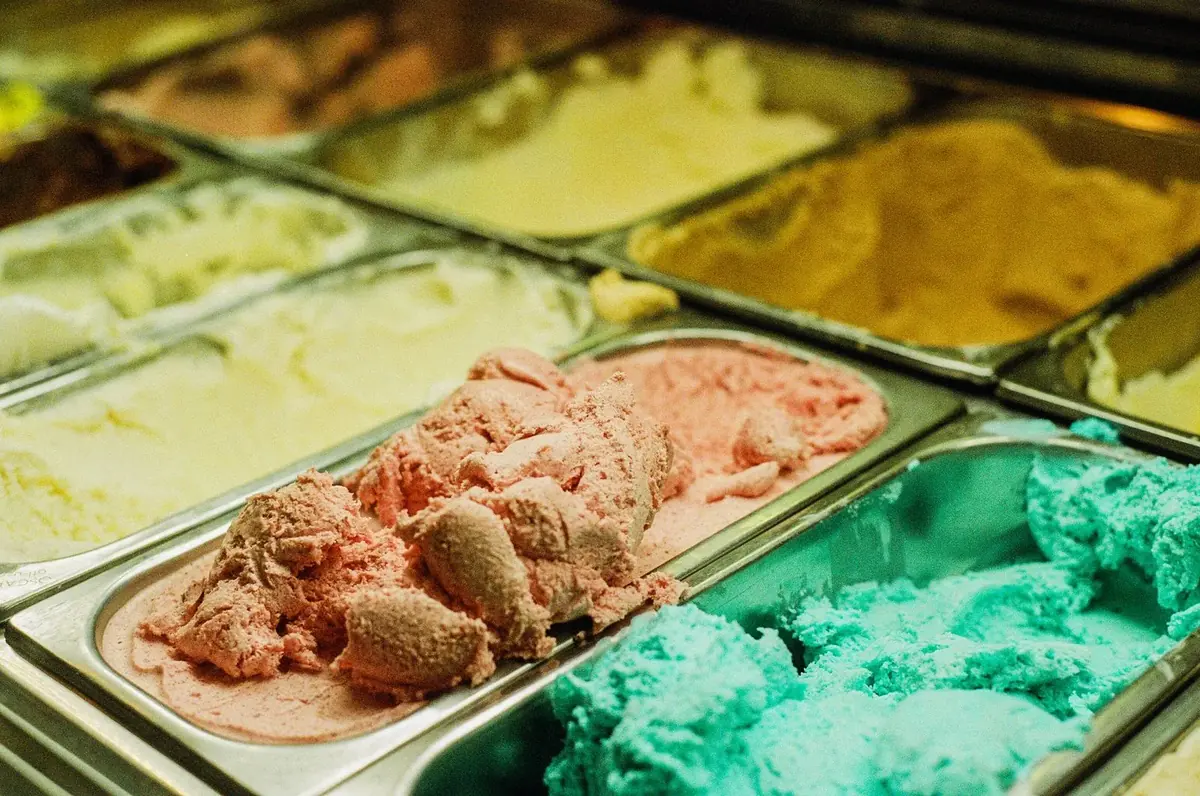
Avoid the towering tubs. Gelato piled high above the chilled container is usually decorated for visibility, not protected for quality. The best shops often keep the gelato below the rim in covered or lidded pans.
Look at the colour. Pistachio should be muted green or brownish green, banana should not be neon yellow, and mint should not look like toothpaste. Natural ingredients are less theatrical.
Check the texture. Fresh gelato should be smooth and soft enough to scoop cleanly. It should not be icy, grainy, or so sticky that it clings like chewing gum.
Order in Italian if you can. “Una coppetta, per favore” gets you a cup; “un cono” gets you a cone. Say due gusti for two flavours. Ask qual è il gusto del giorno? — what is today's flavour? — and let the person behind the counter point you toward something seasonal.
Take the small size. Italian gelato portions are generous, and a smaller cup makes it easier to taste the flavours before they melt. You can always come back tomorrow.
When to Go
Gelato is a year-round Milan habit, but summer evenings are the classic experience. In July and August, avoid the busiest central shops between 20:30 and 22:30 if you do not want to queue. Late afternoon is calmer and gives you better access to seasonal fruit flavours.
Spring and early autumn are arguably better for a gelato crawl: warm enough to eat outside, cool enough that the scoop does not disappear immediately. In winter, choose the dense chocolate and hazelnut flavours and eat slowly. Milanese people do.
One final rule: gelato is not a reward reserved for after dinner. A cup at 16:00, while walking between neighbourhoods, is the most Milanese way to have it.
In pictures