Getting Around Milan: Metro, Tram, Taxi & Bike
The complete guide to moving around Milan — which metro line goes where, when to take a tram, how much taxis really cost, and why you should probably just walk.
Editorial guide · Updated 2025-01-15
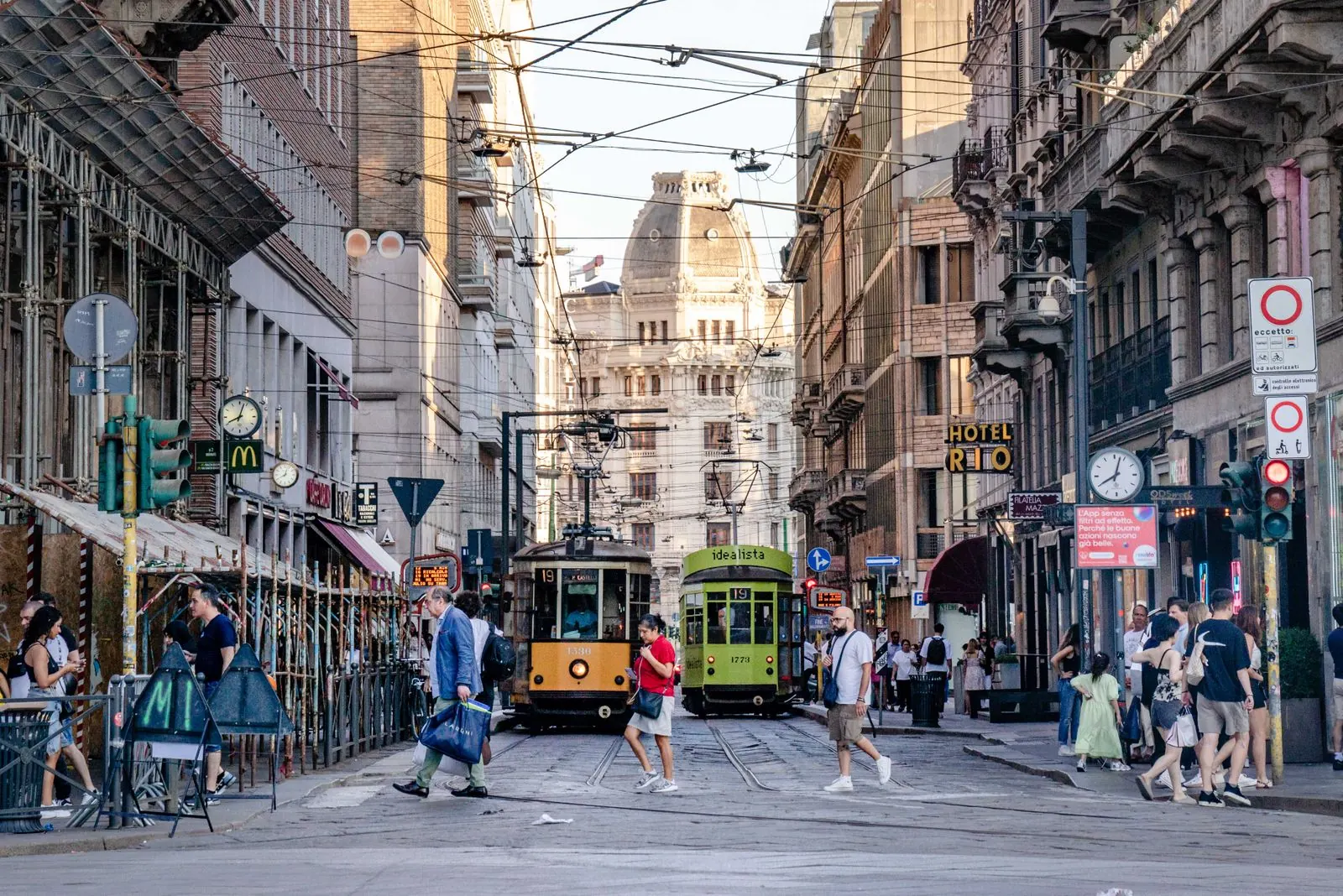
Milan's city centre is compact and flat, which makes it one of the more forgiving European cities to navigate. The metro is fast and cheap; the trams are atmospheric; taxis are easy to find; and large sections of the historic core are genuinely better explored on foot.
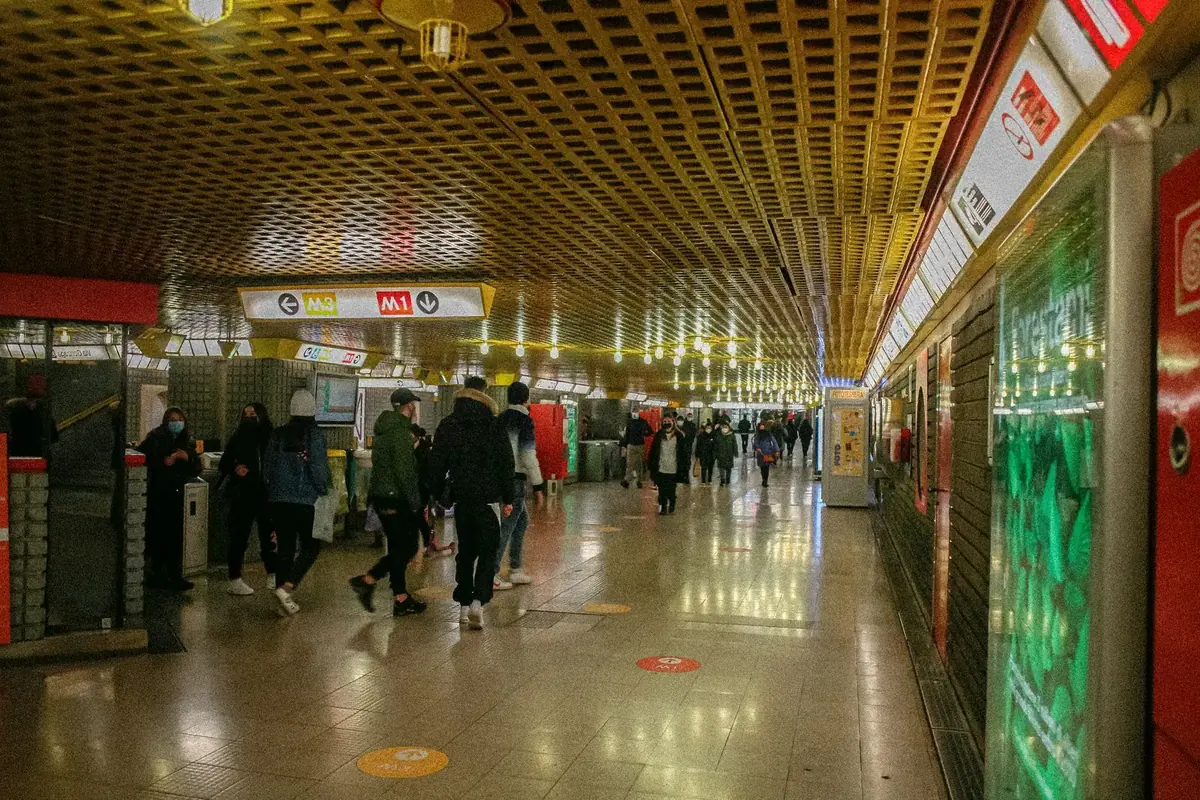
The Milan Metro (ATM)
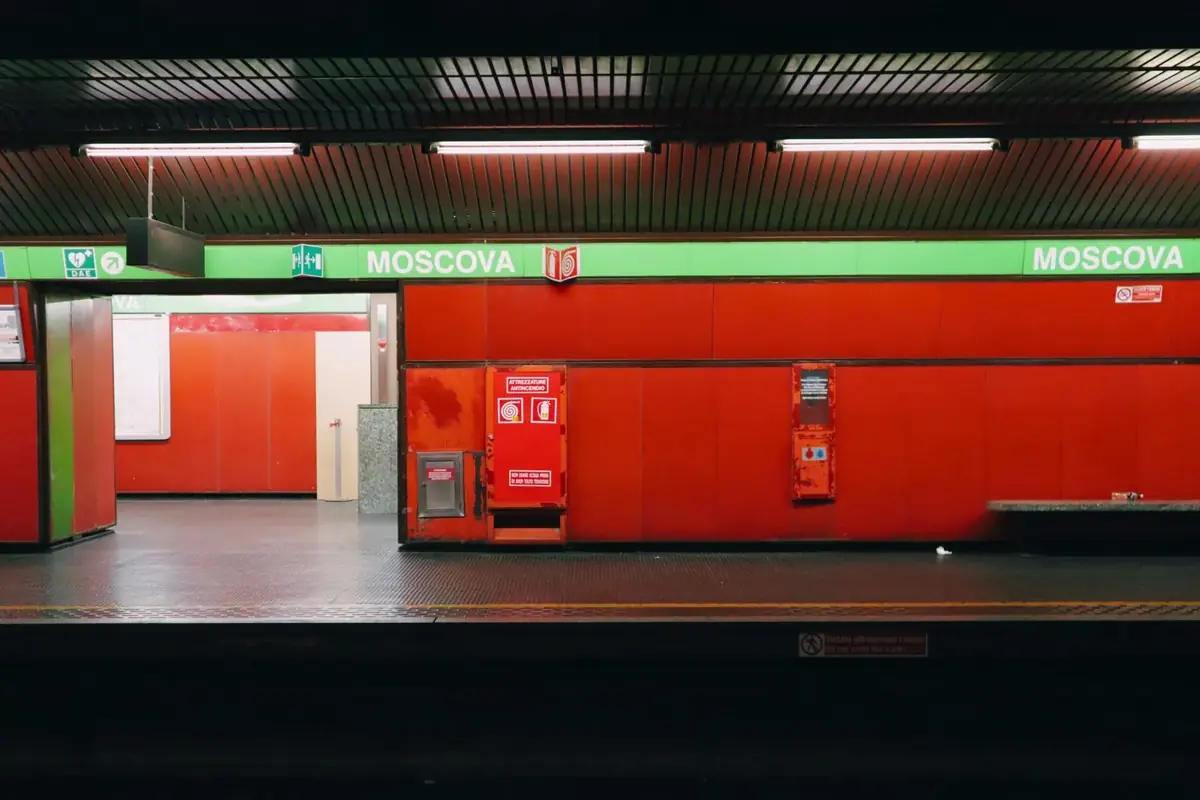
Five lines cover most of the city:
| Line | Colour | Key stops |
|---|---|---|
| M1 | Red | Duomo, Cadorna, Loreto, Sesto |
| M2 | Green | Centrale, Cadorna, Garibaldi, Navigli area |
| M3 | Yellow | Centrale, Duomo, Porta Romana, San Donato |
| M4 | Blue | Linate Airport, Dateo, Tricolore, San Babila |
| M5 | Lilac | Garibaldi, Monumentale, San Siro |
Heading to San Siro for a match or a stadium tour? See our San Siro & Derby della Madonnina guide for tickets, timing, and getting there without the crowds.
Single ticket: €1.50, valid for 90 minutes across metro, trams, and buses. Buy at station machines, tobacconists (tabacchi), or the ATM Milano app. Do not board without validating.
Travel cards (worth it for 3+ days):
- 24 hours: €4.50
- 48 hours: €8.25
- 72 hours: €12
- Weekly: €17
The metro runs from around 05:30 to 00:30 on weekdays and until 01:30 on Saturdays. Frequent enough during the day that you rarely wait more than 5 minutes.
Practical note: The busiest interchange is Duomo (M1/M3). Be mindful of pickpockets in the rush-hour crush.
Trams
Milan operates one of Europe's few surviving historic tram networks. The same €1.50 ticket applies.
Lines worth knowing:
- Line 1: Navigli to city centre — one of the best ways to arrive at the canal district
- Line 9: Centrale to Porta Garibaldi to Stazione Genova
- Line 10: Connects Porta Genova (Navigli) to the Brera/Moscova area
- Line 19: Runs the length of Corso Buenos Aires from Porta Venezia to Centrale
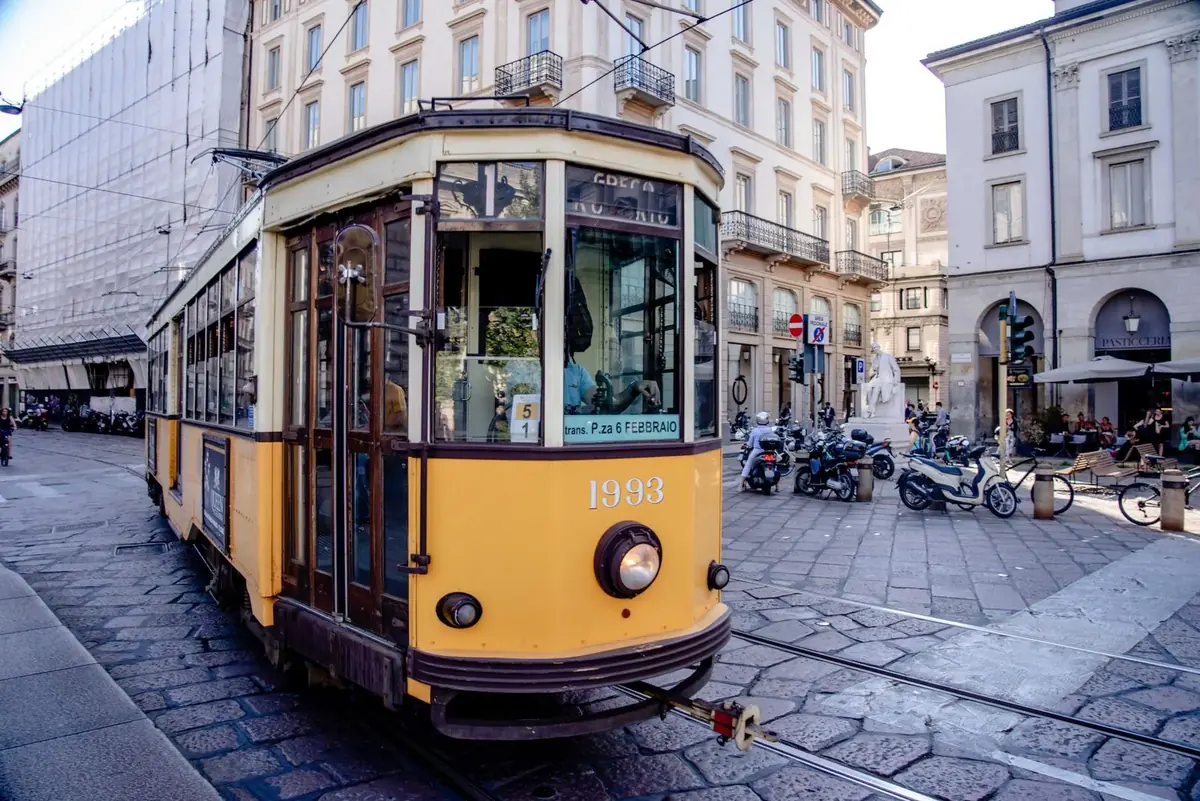
The vintage orange trams (Ventotto series, 1920s) still run on some routes. Slow, bumpy, and one of the more Milanese experiences you can have for €1.50.
Walking
Honest advice: the historic centre is small enough that you will often walk faster than you would take transport.
- Duomo → Castello Sforzesco: 15 minutes
- Duomo → Pinacoteca di Brera: 12 minutes
- Brera → Navigli: 25 minutes
The city centre is entirely flat. The main hazard for walkers is tram tracks — cross them at right angles.
Cycling
Milan is increasingly cycle-friendly, with dedicated lanes on many main roads.
BikeMi is the city's bike-share scheme:
- Day pass: €4.50 (first 30 minutes of each trip free)
- Week pass: €9 (first 30 minutes free)
- Register at bikemi.com or at docking stations with a card
E-bikes and scooters: Lime, Dott, and Tier operate across the city. Pick up and drop off anywhere within the zone. E-bikes are around €0.25/minute.
Caution: Tram tracks are the main hazard. Cross them at right angles, not parallel.
Taxis
Official taxis are white with the municipality number on the door. Find them at ranks throughout the city (Duomo, Centrale, Cadorna, Porta Venezia) or book via app.
Apps to use:
- itTaxi: The official consortium app. No surge pricing.
- FREE NOW: Available in Milan, reliable.
Typical fares:
- Short city-centre hop: €8–12
- Duomo to Navigli: €10–15
- Centrale to Navigli: €12–18
- Night supplement (22:00–06:00): +€3.30 to the opening rate
Taxis cannot legally be hailed from the roadside in Italy — use a rank or an app.
Private transfers (KiwiTaxi)
For fixed-price door-to-door transfers — especially useful for airport runs or late-night journeys when you want a confirmed price upfront — KiwiTaxi books licensed NCC drivers with a meet-and-greet in arrivals. Price is per car, not per person, so groups of three or more often find it cheaper than metered taxis.
Uber
Uber operates in Milan using licensed NCC (private hire) drivers. Prices are generally competitive with taxis for longer journeys but surge pricing applies at peak times. For quick city hops itTaxi is often simpler.
Trains & buses out of Milan
For day trips to Lake Como, Bergamo, the Franciacorta wine region, or Turin — use Omio to compare Trenitalia and Italo trains alongside coaches in one search. Tickets for popular routes like Milan–Como sell out on busy weekends; book a day or two ahead.
Car — probably not
You almost certainly do not need one in central Milan. The ZTL (Zona a Traffico Limitato) restricted zone covers the historic centre — entering without a permit triggers an automatic fine of €80–160. Parking is expensive and scarce.
If you are driving to Lake Como, Franciacorta, or the countryside, pick up the car at an airport (Linate or Malpensa both have desks) rather than navigating Milan's traffic to return it.
Summary: the right tool for each journey
| Journey | Best option |
|---|---|
| Linate airport → city centre | M4 metro (€1.50, 12 min) |
| Malpensa airport → city centre | Malpensa Express (€13, 52 min) |
| Bergamo airport → Milan | Bus to Centrale (€5–8, 60–75 min) |
For the full comparison — taxi fares, private transfers, which arrival station suits which neighbourhood, and Terminal 1 vs Terminal 2 at Malpensa — see the complete Milan airport transfers guide.
| Journey | Best option |
|---|---|
| Duomo → Navigli | Walk (25 min) or tram |
| Duomo → Brera | Walk (12 min) |
| Duomo → Castello Sforzesco | Walk (15 min) |
| Centrale → Duomo | M3 yellow line (2 stops, 4 min) |
| Late-night across town | Taxi via itTaxi app |
| Neighbourhood exploring | BikeMi or Lime e-bike |
| Day trip to Lake Como | Train via Omio |
In pictures
Self-Drive Option
Skip the group bus — rent a car and explore at your own pace.