Milan Duomo: The Complete Guide
Everything you need to know about visiting Milan's Gothic cathedral — tickets, rooftop access, what to see inside, and how to avoid the crowds.
Editorial guide · Updated 2025-01-01
Five Centuries, One Cathedral
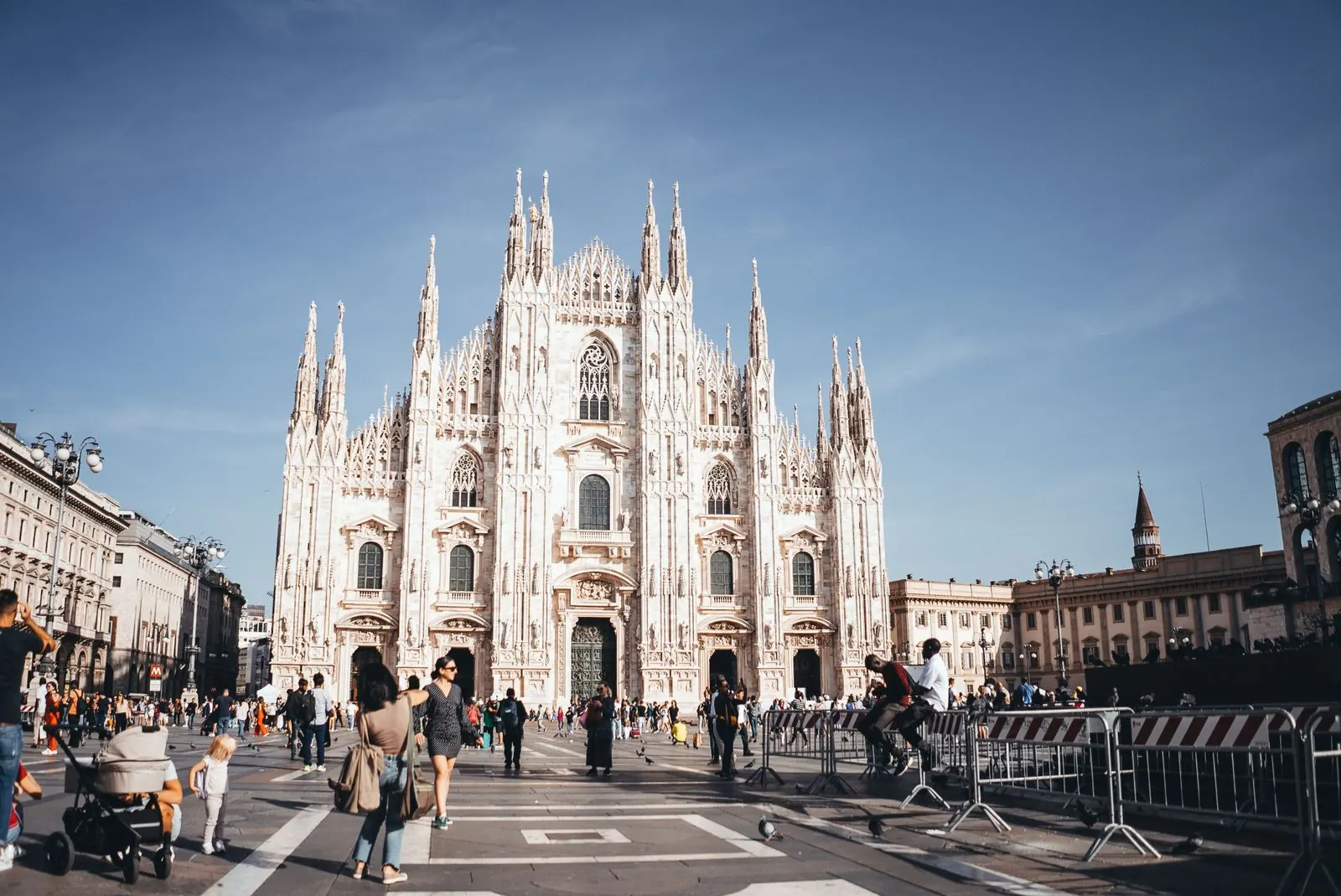
The Milan Duomo is the most theatrical Gothic building in Europe. 135 spires, 3,400 statues (more than any other building in the world), and a construction project that began in 1386 and was not completed until Napoleon ordered the finishing touches during his 1805 coronation. The Madonnina — the gold statue atop the tallest spire — has presided over the city since 1774 and is the traditional reference point for Milan's skyline.
This is the building that dominates the Piazza del Duomo, that you see in every photograph of Milan, and that you walk past on your way from the metro to the Galleria. Most visitors spend 30 minutes at the Piazza, take photographs, and move on. This is a mistake.
The Rooftop: Why You're Here
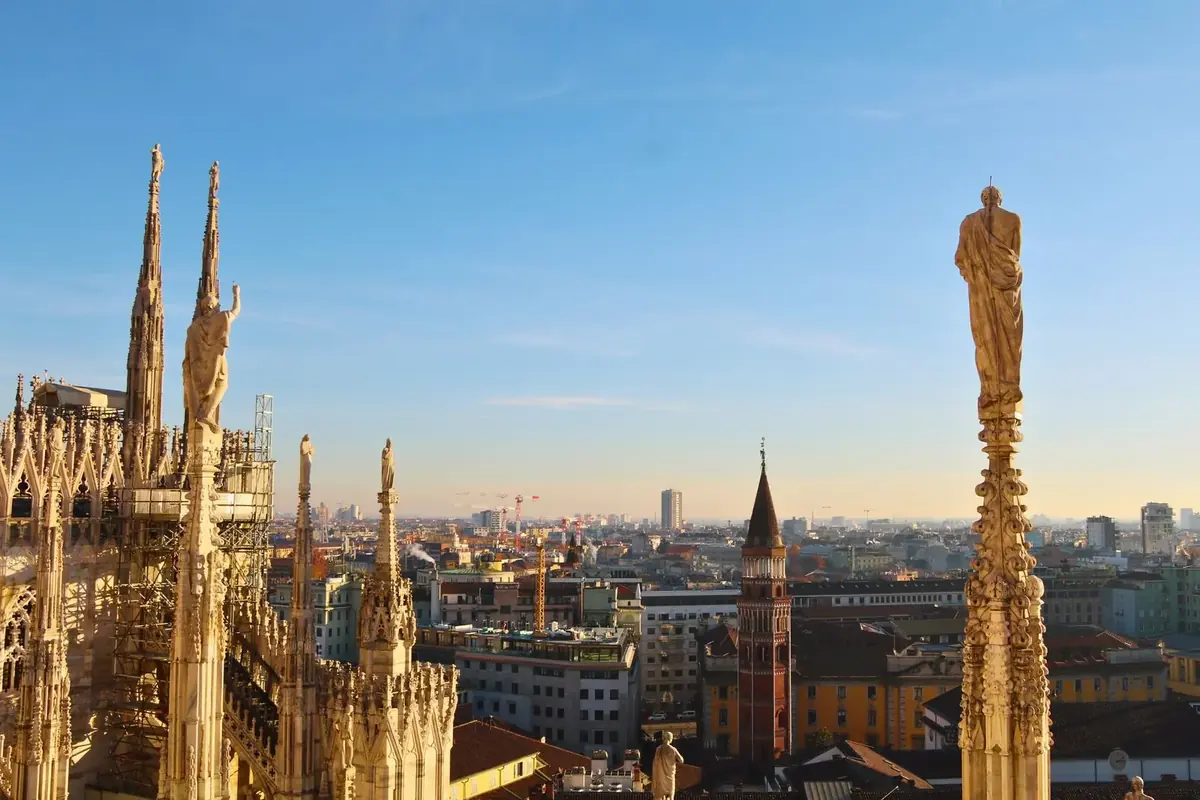
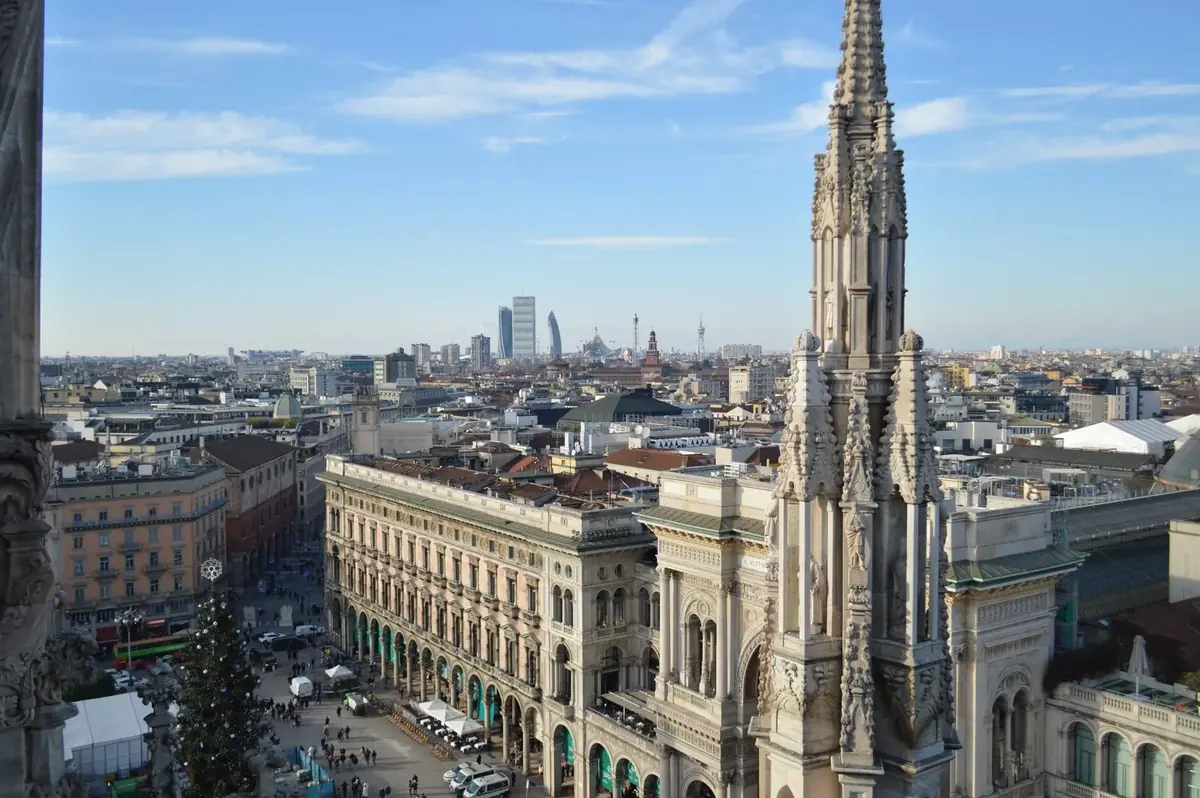
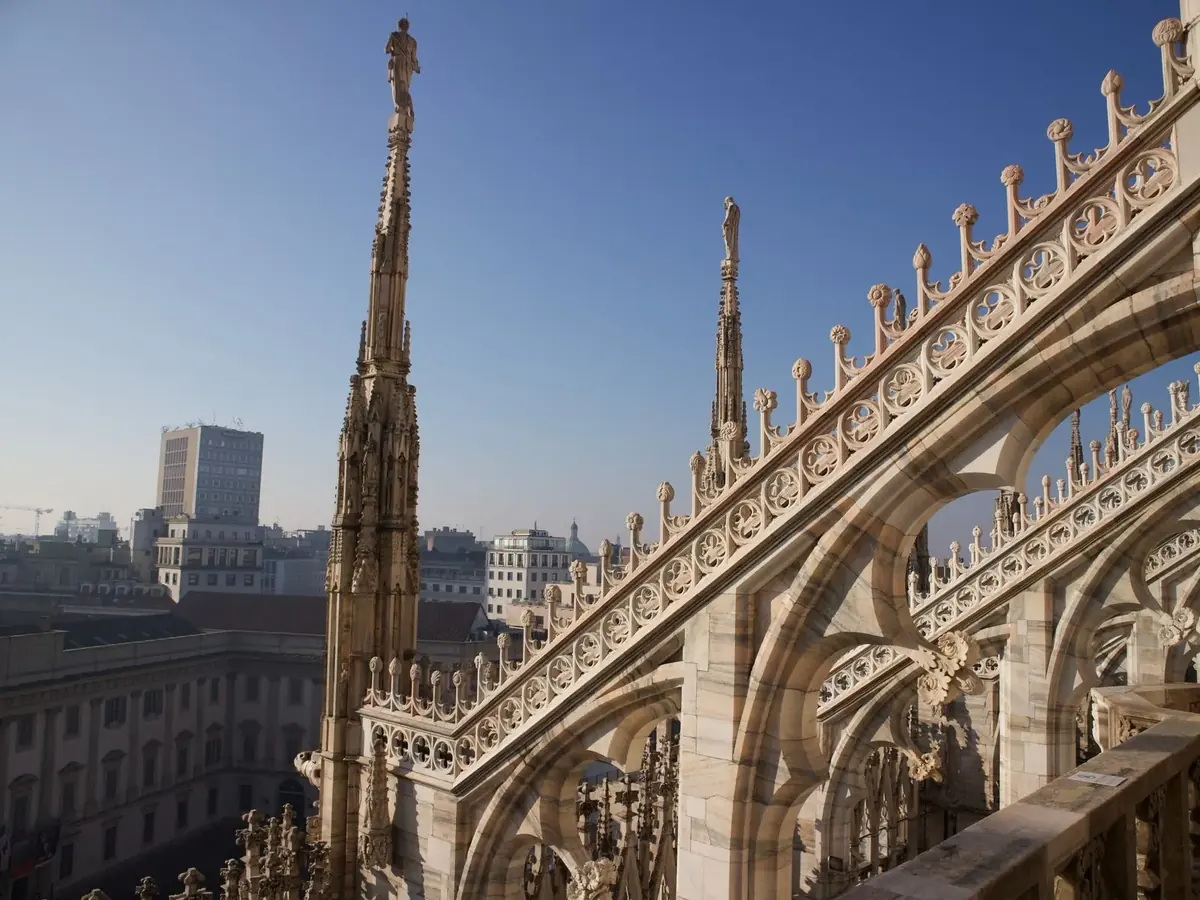
The Duomo rooftop puts you level with the building itself rather than looking up at it from the piazza. You walk among the Gothic spires — marble pinnacles, stone monsters, carved saints — at close range, while the city spreads below and (on clear days) the Alps appear on the horizon. The experience is architecturally overwhelming in a way that no photograph from the piazza prepares you for.
How to get up: Two options — stairs (166 steps, more dramatic, and worth the climb if you're able) or lift. The ticket includes rooftop access regardless of which you choose. Book in advance online; the ticket includes a time slot.
What to expect: The rooftop is a series of walkways between the spires. You can get close to the marble sculptures. The view across the city is best in the morning (softer light, fewer clouds) and at sunset (the Madonnina goes gold). Allow 45–60 minutes up here.
What to wear: Flat shoes. The walkways are stone and can be slippery.
Inside the Cathedral
The interior is vast and Gothic — 90 metres high, 157 metres long, 57 columns. The stained glass windows are among the oldest in the world; the Trivulzio Candelabra (1562) is a masterpiece of Flemish metalwork. The most interesting thing inside is what you don't immediately notice: a meridian line on the floor, installed in 1786, that served as Milan's solar clock for a century.
The crypt: Beneath the main floor, the crypt contains the tomb of Carlo Borromeo (Archbishop of Milan 1564–1584, canonised 1610), preserved behind glass in a gilded casket. The crypt is open and free to enter.
What to skip: The treasury museum adjacent to the church is moderately interesting for religious art specialists and adequately dull for everyone else.
Tickets and Timing
Book in advance: The rooftop is the most popular element and sells out, particularly on weekends. The website accepts bookings from 60 days in advance. Weekend slots fill two to three weeks ahead.
Combo tickets: The Cathedral + Rooftop combo is the standard ticket. Adding the baptistry and archaeological area below the piazza is worth it if you have a specific interest in pre-Roman Milan.
Best time: 09:00–10:00 (before tour groups arrive) or 17:00–18:00 (best light for rooftop photography, cooler in summer). Avoid midday in summer.
Inside the cathedral: Free to enter the main nave; tickets required for rooftop, baptistry, treasury, and archaeological area.
The Piazza del Duomo
The square in front of the cathedral is the centre of Milan — geographically, commercially, and symbolically. The Vittorio Emanuele equestrian statue presides over the piazza, which is almost always crowded.
The Galleria entrance: The Galleria Vittorio Emanuele II opens from the northeast corner of the Piazza. Walk in and look up. Then find the bull mosaic on the floor and spin on it for luck (right heel, three rotations — this is a Milanese tradition and the mosaic is visibly worn by it).
The Museo del Novecento: On the south side of the Piazza, inside the Palazzo dell'Arengario — the best 20th-century Italian art collection in the world, with views of the Duomo from inside the museum. Worth combining with the cathedral visit.
After the Duomo
The Galleria: Walk through the Galleria from Piazza del Duomo to Piazza della Scala. Have an overpriced Campari at Campari Storico, the brand's own historic bar inside the Galleria, or keep walking. The architecture is worth absorbing at a slow pace.
La Scala: Five minutes from the Galleria exit. The opera house museum is open daily and gives you access to the interior of the world's most famous opera house without needing to book a performance months in advance.
Pinacoteca Ambrosiana: Ten minutes south from the Duomo — Leonardo's Portrait of a Musician and 35,000 drawings in the Codex Atlanticus. One of the most underrated collections in Europe, consistently undercrowded.
Panzerotti at Luini: Via Santa Radegonda, two minutes from the Piazza. Deep-fried mozzarella and tomato pockets, eaten standing on the pavement. The correct answer to what to eat near the Duomo.
In pictures