Best Aperitivo Bars in Milan: The Definitive Guide
Milan invented aperitivo. Here's where to do it properly — the Navigli canal bars, Brera's refined versions, and the Isola spots that locals love.
Editorial guide · Updated 2025-01-01
The Most Important Ritual in the Most Stylish City in Italy
Aperitivo is not happy hour. It is not a discount on bad wine served before a meal you were already planning to have somewhere else. Aperitivo is a contract between a city and its inhabitants — an agreement that between 18:00 and 20:00, the working day is over, the drinks are reasonably priced, the food is free (or close to it), and the conversation is more interesting than whatever was happening at the office.
Milan didn't invent the concept — the Romans were probably there first — but it perfected it. The Campari company was founded here in 1860. The Negroni was served here before it became the world's most fashionable cocktail. The spritz, the most sociable drink in Italy, has its truest expression here. And the aperitivo ritual — that specific window of time, that specific relationship between a drink and food and conversation — is at its most evolved in Milan's canal district, its gallery neighbourhood, and its university bars.
This guide is about where to do it properly.
The Navigli: Where Aperitivo Lives
The Naviglio Grande canal district is where the aperitivo tradition is most theatrical and most authentic simultaneously. On warm evenings, every bar along the canal fills to capacity — tourists, locals, students, professionals, and people who seem to have no job but impeccable style. The canal reflects orange light. Someone is playing guitar. The Campari is cold.
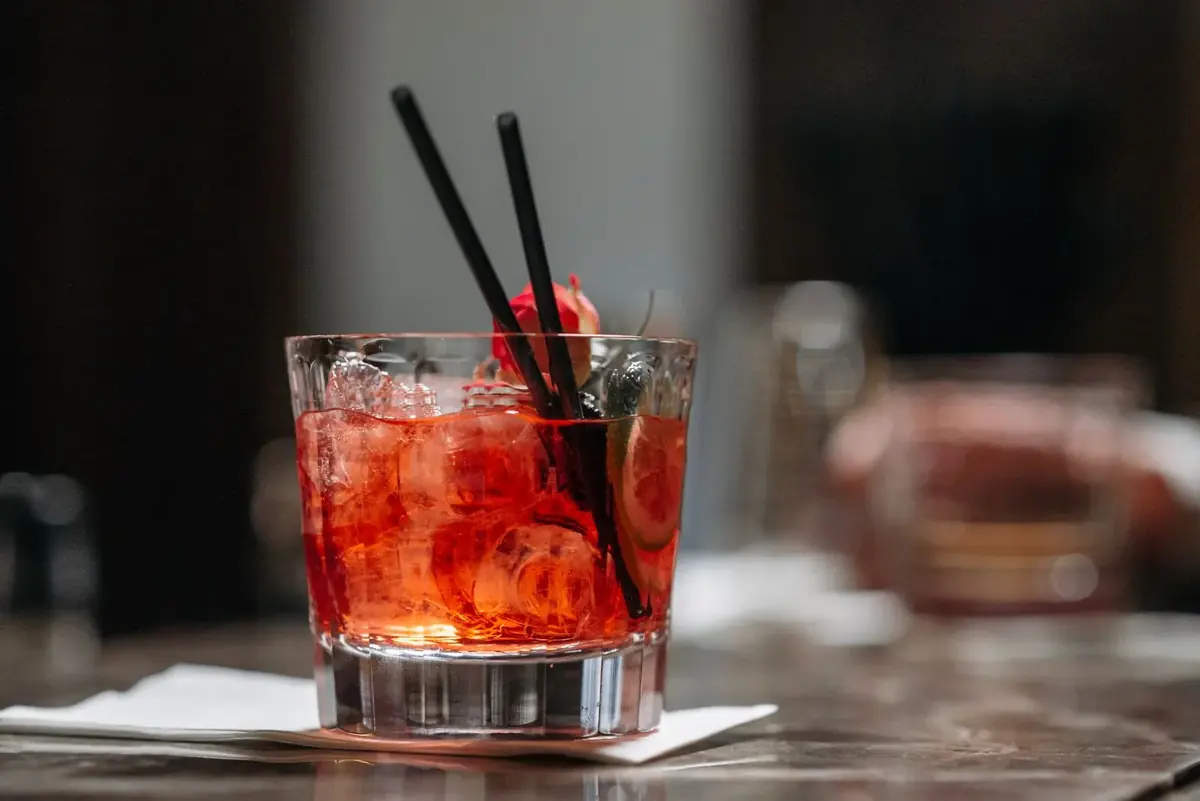
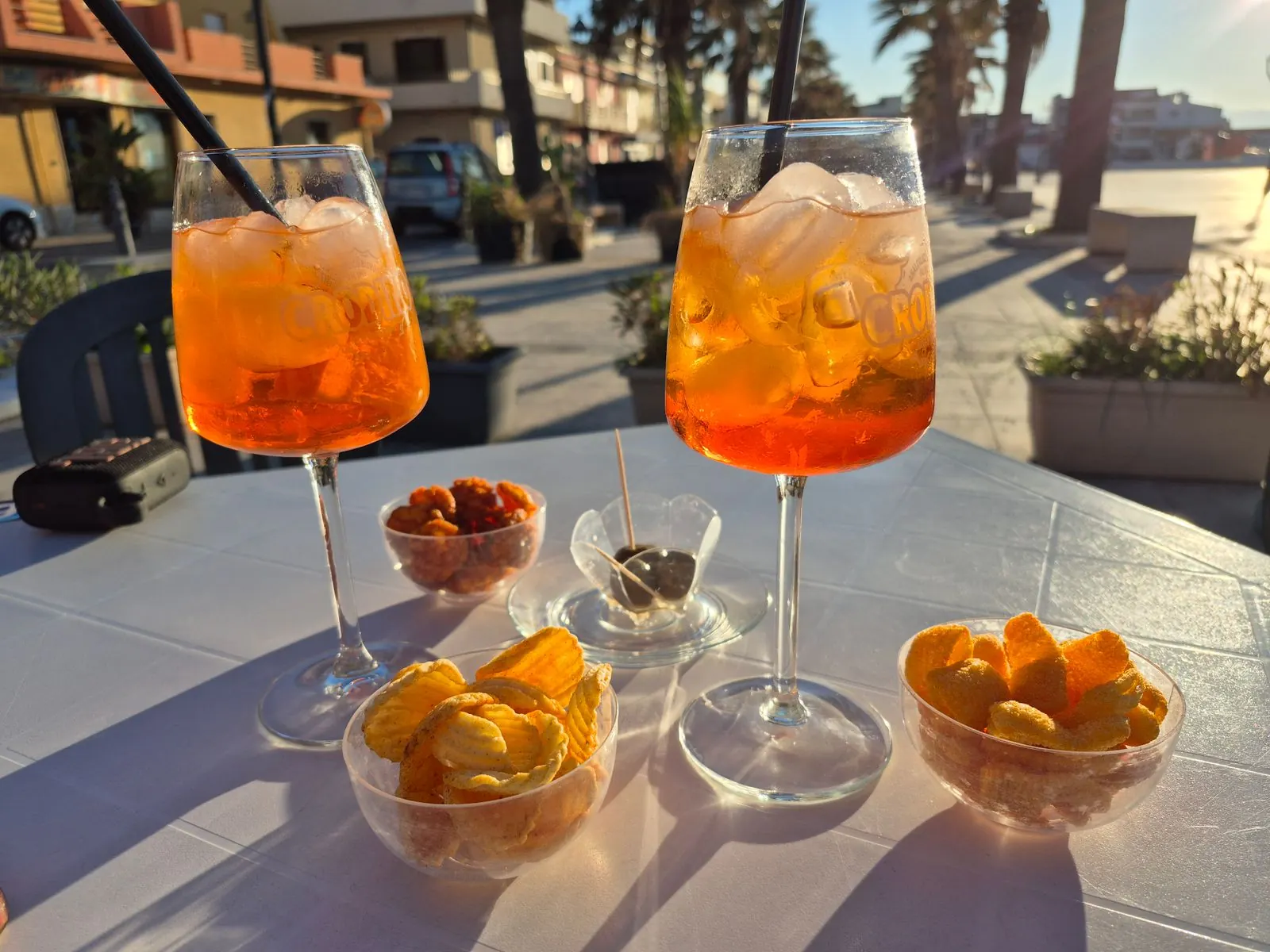
What to order: Start with a Campari Spritz (Campari, Prosecco, soda). It's not as sweet as Aperol, more complex, and the correct drink for the canal setting. Ask for it with ice and a slice of orange. A Negroni is also completely appropriate at this hour — negroni sbagliato (with Prosecco instead of gin) is the lighter, more forgiving version.
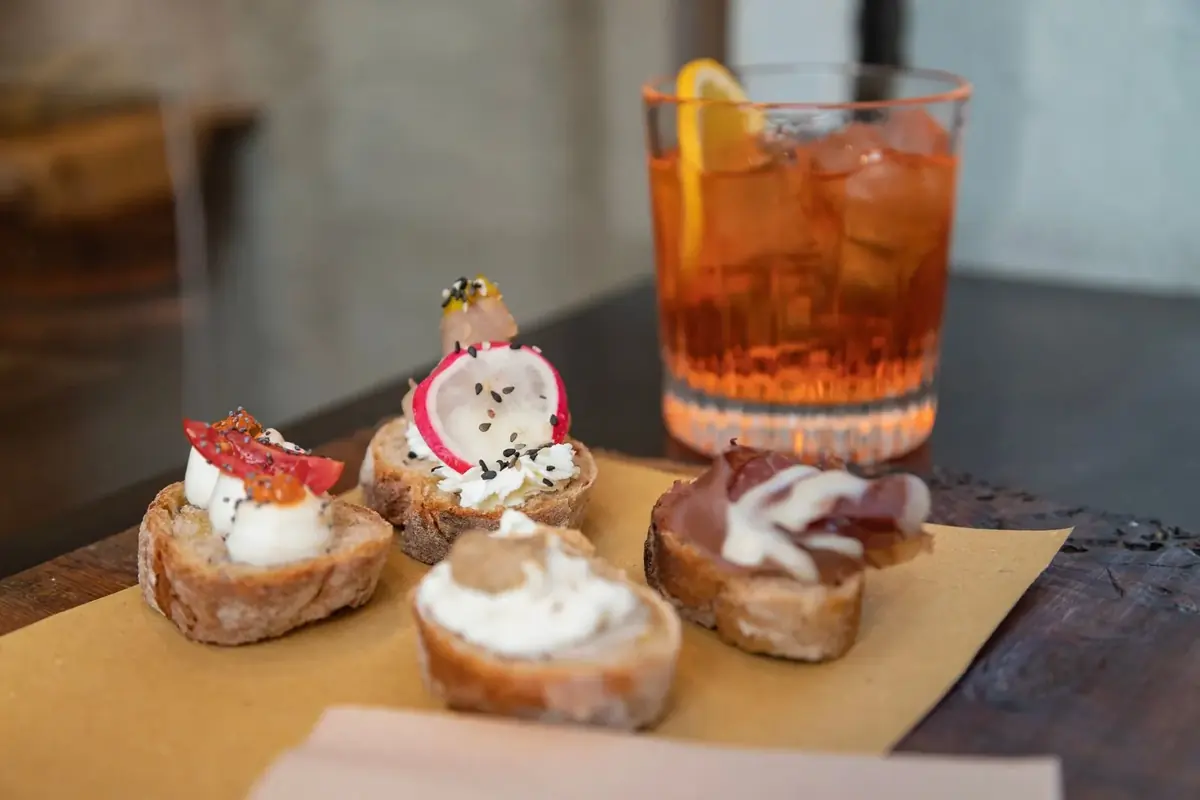
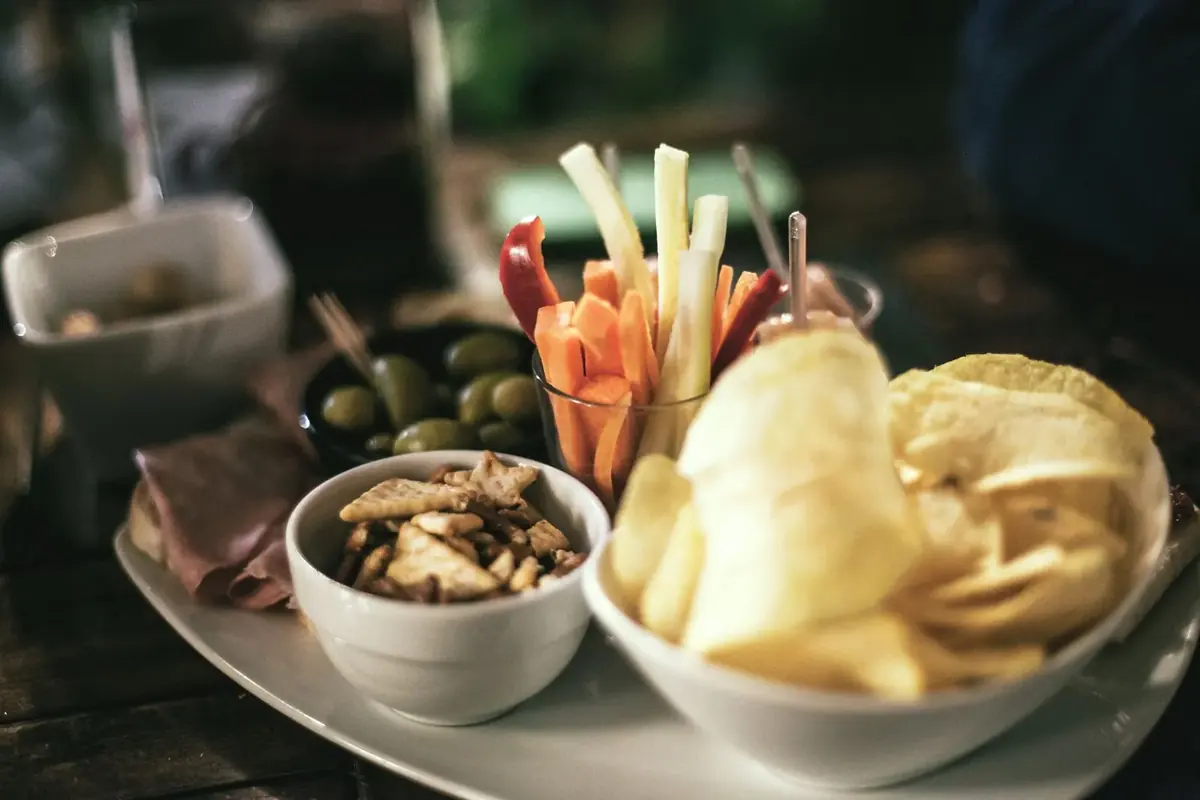
What to eat: Good Navigli aperitivo bars put out a proper spread — not crisps and olives, but bruschette, mini pizza, arancini, stuffed peppers, prosciutto. This is not a side effect of ordering a drink; it is the point. A €9 spritz at the right bar buys you dinner.
Key bars: Bere on Navigli has the best canal-side position and one of the more serious antipasto spreads. El Brellin, technically a restaurant, does aperitivo on the terrace and then becomes the place to have dinner without moving. Mag Café on Ripa di Porta Ticinese is smaller, better cocktails, less tourist traffic. La Prosciutteria, true to its name, builds its spread around cured meats and cheese boards rather than the usual buffet — a good change of pace if you've already done two rounds of arancini elsewhere.
Timing: Arrive by 18:30. By 19:30 the best spots have queues. By 20:30 the spread is depleted and the magic is fading. Aperitivo is not patient with latecomers.
Brera: The Civilised Version
Brera's aperitivo is quieter, more expensive, and considerably more elegant. The neighbourhood's cobblestone streets and gallery-district energy attract a different crowd — architects, gallerists, people who wear linen correctly. The drinks are better. The food is less abundant. The conversation is more interesting.
N'Ino is the best natural wine bar in the neighbourhood — small plates, rotating list of biodynamic and organic producers, a room that feels genuinely Italian rather than designed to look Italian. Arrive early (18:30) for a seat.
The bars on Via Fiori Chiari and Via Madonnina are the most atmospheric — smaller venues, less tourist traffic, and the kind of crowd where you might find yourself talking to a furniture designer about a Milanese architect you've never heard of but should have. Princi, primarily known as a bakery, also runs a genuine evening aperitivo service across its Brera and Moscova locations — useful if you want the buzz without committing to a full bar crowd.
What to order: Natural wine by the glass is appropriate here. Ask for what's open — the staff will have opinions and will be correct. A Negroni at Brera prices (€12–15) is worth paying.
Isola: Where Young Milan Actually Goes
Isola is the neighbourhood that resisted gentrification the longest and is now in the process of being thoroughly gentrified — which means there's a window of about three years where you can still find genuinely independent bars serving aperitivo to the people who actually live there rather than the people who read about it in a magazine.
Ugo Bar is the essential Isola aperitivo institution — no frills, a terrace, mortadella panini, Campari in proper measures. The regulars have been coming since before aperitivo became a travel category.
Cantine Isola (technically a wine shop) puts out cheese and charcuterie in the evening and charges shop prices for the wine. It's the best value aperitivo in the neighbourhood, possibly in the city.
The bars around Piazza Minniti are where you'll find the most local crowd — less atmosphere than Navigli, more authenticity, better conversations.
Porta Venezia: Cosmopolitan Aperitivo
Porta Venezia's aperitivo scene is Milan's most diverse — the neighbourhood has the city's highest concentration of independent restaurants and bars from across the world, and its aperitivo hour reflects this. Good options for everything from classic Campari to natural wine to craft beer, with a crowd that is mixed in every dimension. Porta Venezia is also Milan's recognised LGBTQ+ district — see our full neighbourhood guide for the area's nightlife, Pride, and character beyond the aperitivo hour.
Sempione & CityLife: Aperitivo With a View
Arco della Pace, at the far end of Parco Sempione, runs its own version of the ritual: the bars and restaurants facing the arch follow the same one-drink-buys-the-buffet mechanic as Navigli, but with a Napoleonic monument instead of a canal for scenery. Go around 18:00–19:00, after a walk through Castello Sforzesco and the park.
Taglialà, right on Piazza Sempione facing the arch, does this as a pizzeria rather than a pure bar — good for aperitivo that's willing to turn into an actual dinner without moving.
A 10-minute walk further west, in the CityLife district, Gud is a reliable aperitivo stop after a walk through the park and around the three towers — see our CityLife neighbourhood guide.
Ticinese & Cinque Vie: The Quieter Version
South of the Duomo, between the centre and the Navigli proper, two spots locals mention before tourists do. Fonderie Milanesi, in Ticinese, trades the canal-side crowd for a more design-conscious room with the same generous spread. Chiosco Mentana, a seasonal kiosk on Piazza Mentana in the Cinque Vie district (open May–September only), is about as unpretentious as Milanese aperitivo gets — a drink, a view of the square, and none of the production value of the bigger bars.
Practical Notes
The bill: A good aperitivo costs €8–12 per drink. The food is almost always included (either a served plate or a buffet). Any bar charging more than €15 for a spritz without an excellent reason is exploiting you.
The etiquette: You don't need a reservation for aperitivo. You don't need to order food. You don't need to leave when you finish your drink. You do need to be on time — the magic window is 18:00–20:00 and it doesn't extend.
Getting there: The Navigli is best approached via Porta Genova metro (M2 green line). Brera is walkable from Lanza (M2) or Moscova (M2). Isola is closest to Zara (M3 yellow line) or Garibaldi (M2/M5).
What to wear: Anything except athletic clothes and flip flops. Milan takes aperitivo seriously.
The Order of Operations
An ideal Milanese evening runs like this: aperitivo 18:00–20:00 (Navigli or Brera), dinner 20:30 (book ahead), nightcap 23:00 (Nottingham Forest in Porta Venezia for cocktails, or return to Navigli for a late Negroni). This schedule is not a suggestion. It is how the city works.
In pictures