Day Trips from Milan: Lake Como, Bergamo, and Beyond
Plan day trips from Milan to Lake Como, Bergamo, and beyond with train routes, guided-tour comparisons, and practical travel advice.
Editorial guide · Updated 2026-08-18
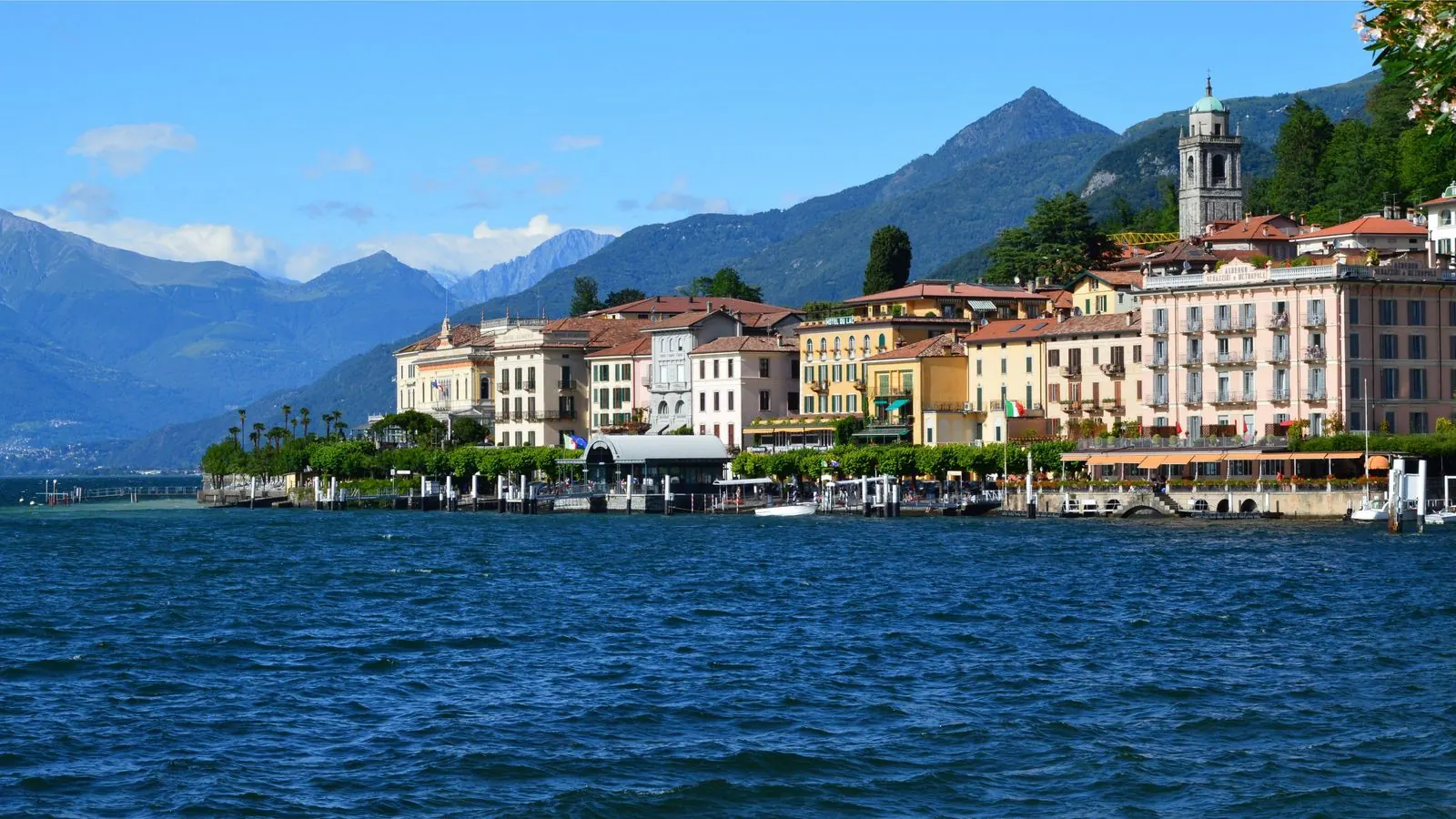
Milan's best-kept secret is how easy it is to leave. Within an hour of Milano Centrale you can be standing on the shore of the most beautiful lake in Europe or inside a walled Renaissance city on a hilltop. This guide covers every day trip genuinely worth doing from Milan — how to get there, whether to go independently or book a tour, and how to avoid the mistakes that waste half your day.
Lake Como: The Essential Day Trip
If you do one day trip from Milan, it's this one. Como is 40 minutes away by train, ringed by Alps, dotted with villa gardens, and served by a ferry network that turns the lake itself into the best part of the day.
Getting there: train vs guided tour
By train: Two routes, and the choice matters.
- Milano Centrale → Varenna-Esino (Tirano line, ~1 hour): the smart route. Varenna sits on the mid-lake "golden triangle" opposite Bellagio and Menaggio, so you arrive directly where the lake is at its best.
- Milano Cadorna → Como Nord Lago (
1 hour) or Centrale → Como San Giovanni (40 minutes): delivers you to Como town, at the far southern tip. Como town is pleasant, but it's a further hour by boat to the mid-lake villages — a common and costly mistake.
Buy regional train tickets on the Trenitalia or Trenord apps the same morning; they don't sell out. Around €7–13 each way.
By guided tour: A coach picks you up in central Milan, drives to the lake, and includes a boat cruise — typically Como town, Bellagio, and sometimes Lugano across the Swiss border. What you give up in flexibility you gain in zero logistics: no ferry timetables to decode, no route-planning mistakes, and the boat time is guaranteed rather than dependent on your queueing luck at the ferry ticket window. On summer weekends, when ferry queues in Bellagio can eat an hour, the tour is genuinely the more relaxing day.
Varenna vs Bellagio vs Menaggio
The three mid-lake villages form a triangle connected by a 15-minute ferry, and they have distinct personalities:
- Varenna — the beautiful one. A fishing village stacked against the cliff, a lakeside lovers' walk (Passeggiata degli Innamorati), and two of the lake's best villa gardens: Villa Monastero and Villa Cipressi. Smallest crowds of the three. If you're doing the train-it-yourself day, start here.
- Bellagio — the famous one. The "pearl of the lake" earns the name: cobbled staircase streets, arcaded waterfront, the gardens of Villa Melzi. It's also the busiest place on the lake by a distance. Go, but go knowing everyone else is going too.
- Menaggio — the relaxed one. A proper town rather than a showpiece, with a long lakefront promenade and the best value lunch of the three. The right final stop before ferrying back.
Ferry tips
- The mid-lake ferry triangle (Varenna ↔ Bellagio ↔ Menaggio) runs frequently — every 30 minutes or so in season. Buy the mid-lake day pass if you're making more than two hops; it pays for itself on the third crossing.
- Queue for tickets before you want to leave, not when the boat is docking — Bellagio's ticket line in July is no joke.
- Take a slow ferry, not the hydrofoil, at least once: the hydrofoil is enclosed and the whole point of Como is the view from the water.
- Last ferries back to Varenna run early-evening; check the return time to your train before your last aperitivo, not after.
Locals' tip — the western shore: if you're driving or doing the lake by boat rather than the train-to-Varenna route, two places on the western shore between Como town and Menaggio are worth the detour for lunch: Una Finestra sul Lago in Carate Urio and Crotto dei Platani in Brienno (the latter open since 1855). Both are a step outside the Varenna–Bellagio–Menaggio triangle, so they suit a car day or a longer boat itinerary more than the quick train-and-ferry version above.
What a guided tour actually adds
Honest answer: on a quiet weekday in May, not much — the train-and-ferry day is cheap and glorious. In peak season, or if you want the Lugano crossing (which you can't easily do solo without a car), or if decoding Italian ferry timetables on holiday sounds like work, the guided version buys you a calmer day and more time on the water. The private boat cruise on the better tours also reaches villa viewpoints the public ferry skips.
Bergamo: The Underrated One
Fifty minutes by train from Milano Centrale, Bergamo is two cities: a workaday lower town (Città Bassa) and, floating above it inside intact Venetian walls, the Città Alta — one of the most complete historic upper cities in Italy, and a UNESCO World Heritage Site for those very walls.
Upper city highlights
- Piazza Vecchia — the Renaissance square Le Corbusier called the most beautiful in Europe. Sit at a café, order a coffee, and take it in.
- Basilica di Santa Maria Maggiore — plain Romanesque outside, an explosion of Baroque gilt and tapestries inside. Next door, the Cappella Colleoni's pink-and-white marble façade is Bergamo's postcard.
- The Venetian Walls — walk the full circuit (about an hour) for views across the Po plain to Milan on clear days.
- Torre del Campanone — climbs to the best panorama in town; it still rings 100 chimes at 10pm, the old curfew bell.
- Eat casoncelli (Bergamo's stuffed pasta, with butter, sage, and pancetta) and finish with polenta e osei, the sponge-and-marzipan pastry dressed up as the local polenta dish.
The funicular
Half the fun of Bergamo is the arrival. From the lower town, the funicular (running since 1887) hauls you up through the walls directly into the Città Alta; a second, smaller funicular continues from the upper city to San Vigilio hill, where the castle ruins have the best view of the rooftops below. Both are covered by an ordinary local transport ticket — buy at the machine, validate on board.
How long it takes, and train vs organised trip
The Città Alta is compact: the essential circuit is a comfortable half day, a full day if you walk the walls, climb the tower, and linger over lunch. That makes the maths simple:
- Train: ~50 minutes from Centrale, €6–10 each way, departures roughly twice an hour. Bergamo station → funicular is a 15-minute walk or a 5-minute bus. For a standalone Bergamo day, the train wins on every measure.
- Organised trip: the case for a tour is pairing. Because Bergamo alone doesn't fill a day, the popular tours combine the upper city with a Franciacorta wine-region tasting in the afternoon — a combination that's genuinely awkward to replicate on public transport, since the wineries are rural and require booking.
Beyond the Big Two
Cremona (~1 hour by train)
The violin city. Stradivari worked here, and around 150 luthier workshops still do — many welcome visitors if you knock politely. The Museo del Violino displays instruments worth more than the building, and the Torrazzo is the tallest brick bell tower in Europe. Quiet, unhurried, and blissfully free of crowds. Bring an appetite for torrone (nougat was invented here).
Mantua (~2 hours by train)
The Gonzaga court city, surrounded on three sides by lakes, and one of the great underrated art destinations in Italy: Mantegna's illusionistic Camera degli Sposi in the Palazzo Ducale, and the deliriously frescoed Palazzo Te on the town's edge. It's the longest ride on this list — take the earliest sensible train and give it a full day.
Pavia (~35 minutes by train)
The closest trip of all, and most people come for one building that isn't even in town: the Certosa di Pavia, a Carthusian monastery whose façade is the most extravagant piece of marble in Lombardy (its own station, one stop before Pavia). The town itself adds a covered bridge, a clutch of medieval towers, and Italy's oldest university halls. Easily combined: Certosa in the morning, Pavia for lunch.
The Dolomites (full-day tour only)
The one entry on this list where independent travel doesn't work as a day trip — the mountains are 3+ hours away and the viewpoints are spread out. Full-day coach tours from Milan run to Lake Misurina, Cortina d'Ampezzo, and the pale limestone towers in between; it's a long day (12+ hours) but the only realistic way to see the Dolomites without relocating. If your itinerary allows an overnight, do that instead — but if Milan is your only base and you want the mountains, the tour is the move.
Planning the Day
- Order of priority: Como first, always. Then Bergamo. Then whichever of the others matches your taste — violins (Cremona), frescoes (Mantua), a lazy half-day (Pavia), mountains (Dolomites).
- When to go: lakes and mountains want clear weather — check the forecast and hold Como for the best-looking day of your trip. Bergamo, Cremona, Mantua, and Pavia work in any weather.
- Tickets: regional trains don't sell out, but the good guided tours do — Como boat-tour departures in June–September are routinely gone a week out. Book those as soon as your dates are fixed.
- Timing: leave Milan by 9am for any of these. The mid-lake ferries and the Bergamo funicular both get dramatically quieter before 10:30.
In pictures
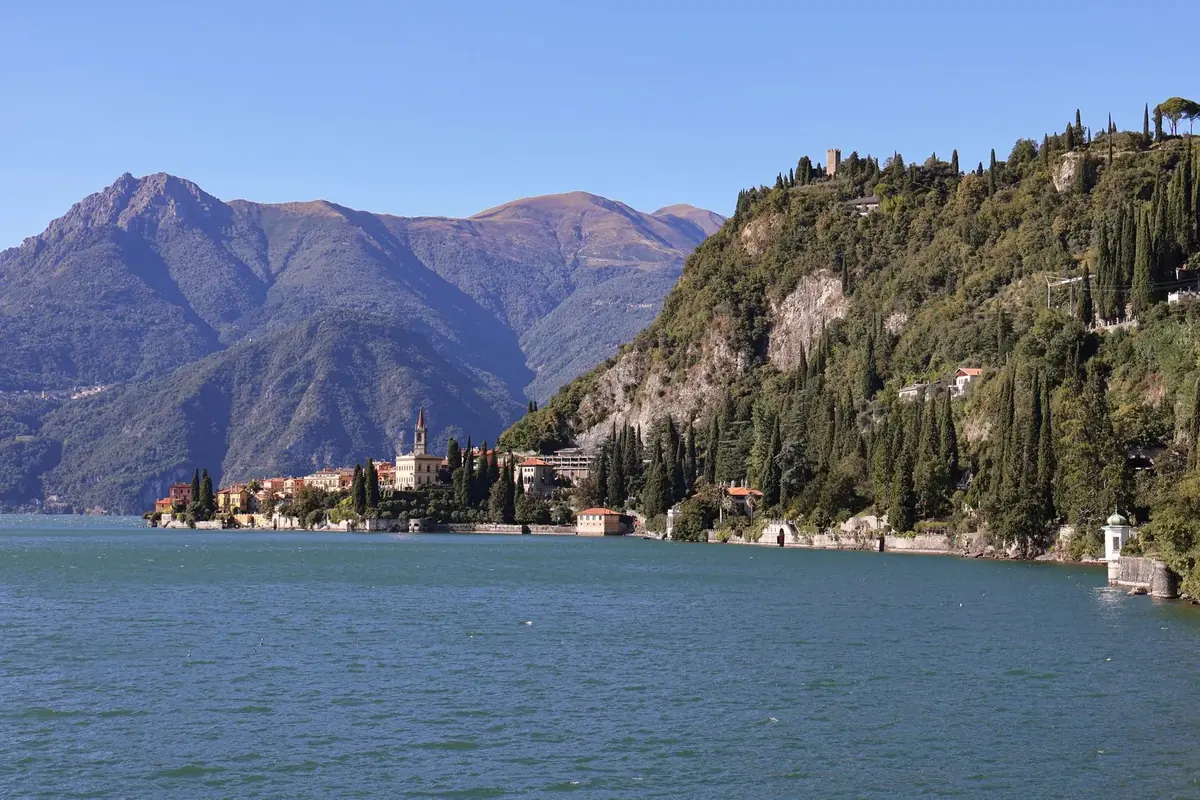
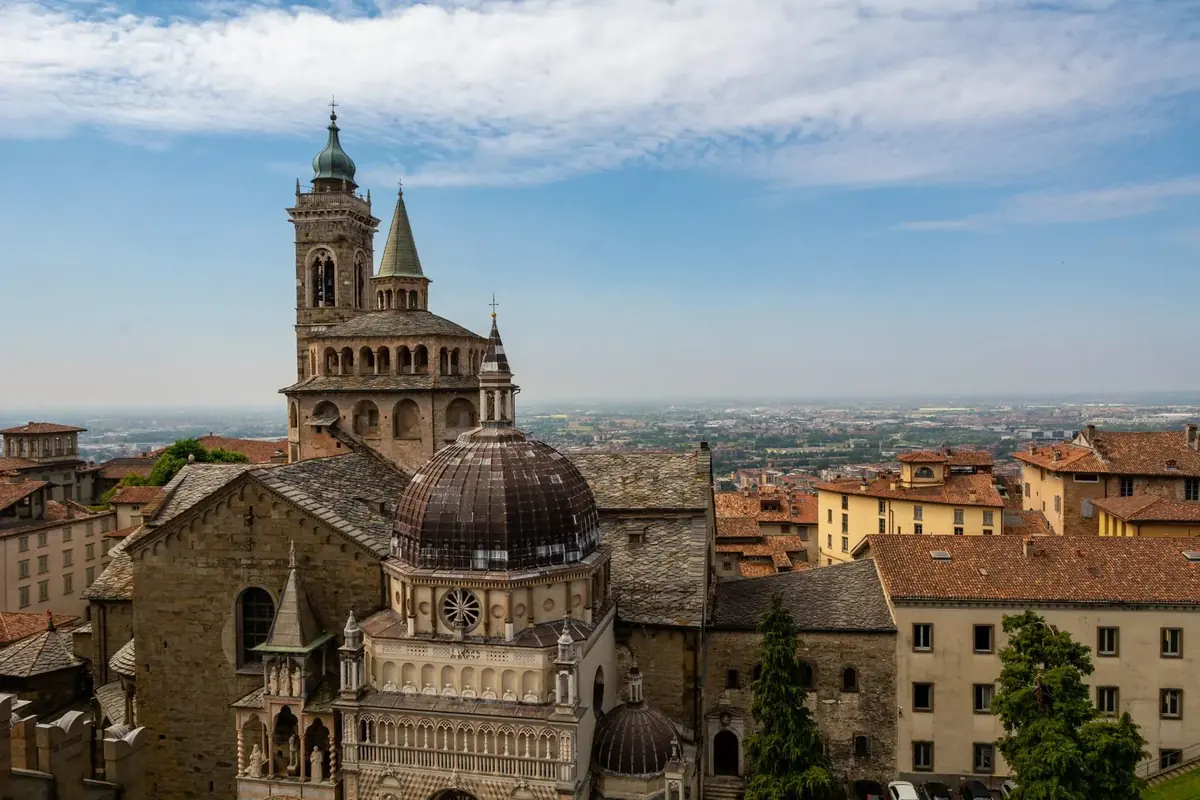
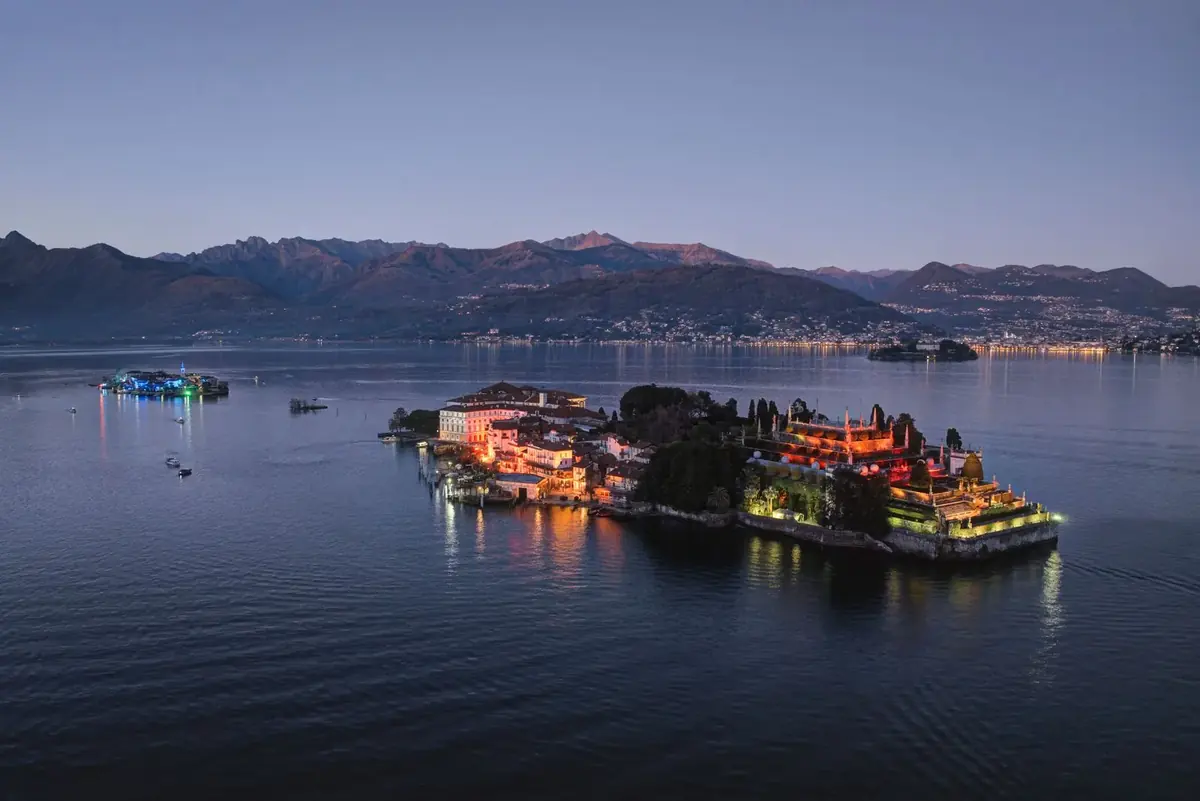
Places mentioned in this guide
Book This Experience
Vetted options across every price point and travel style.
Lake Como & Bellagio Day Trip from Milan
The classic guided version — coach to the lake, boat between the villages, and the logistics handled for you.
Lake Como, Lugano & Bellagio with Private Boat Tour
The boat is the point of Como — this version crosses into Switzerland for Lugano and puts you on a private cruise between Bellagio's shores.
Bergamo & Franciacorta Wine Day Trip
Bergamo's walled upper city in the morning, sparkling-wine tastings in Franciacorta after lunch — the best-value pairing near Milan.
Lake Como & Lugano Day Trip with Cruise
A leaner Como itinerary with a lake cruise included — the right pick if Bellagio crowds aren't your idea of a holiday.