Milan Fashion & Shopping Guide
A practical Milan fashion and shopping guide to the Quadrilatero, Brera, vintage Navigli, outlet shopping, sample sales, and fashion tours.
Editorial guide · Updated 2026-08-18
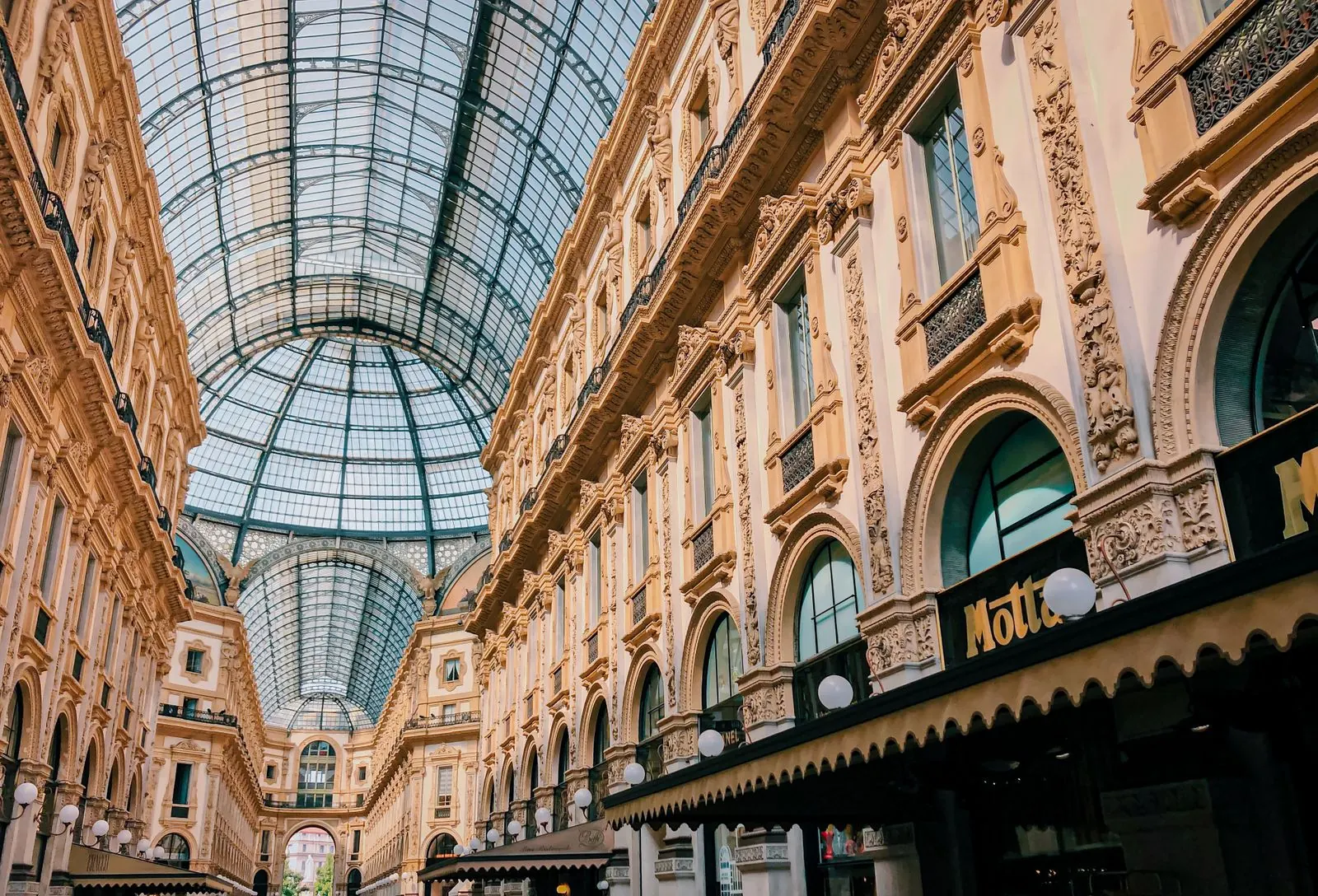
Milan invented the modern fashion industry twice — once in the 1950s when the couture houses moved north from Rome, and again in the 1980s when Armani, Versace, and Prada turned the city into the global capital of ready-to-wear. Paris has the shows; Milan has the business of fashion, and that difference is exactly why shopping here is better. This guide covers where to look, where to actually buy, and which experiences are worth booking.
The Quadrilatero della Moda: Street by Street
The "fashion quadrilateral" is four streets forming a rough rectangle north-east of the Duomo: Via Montenapoleone, Via della Spiga, Via Sant'Andrea, and Via Manzoni. It is the densest concentration of luxury flagships on earth — and it can be walked in 45 minutes.
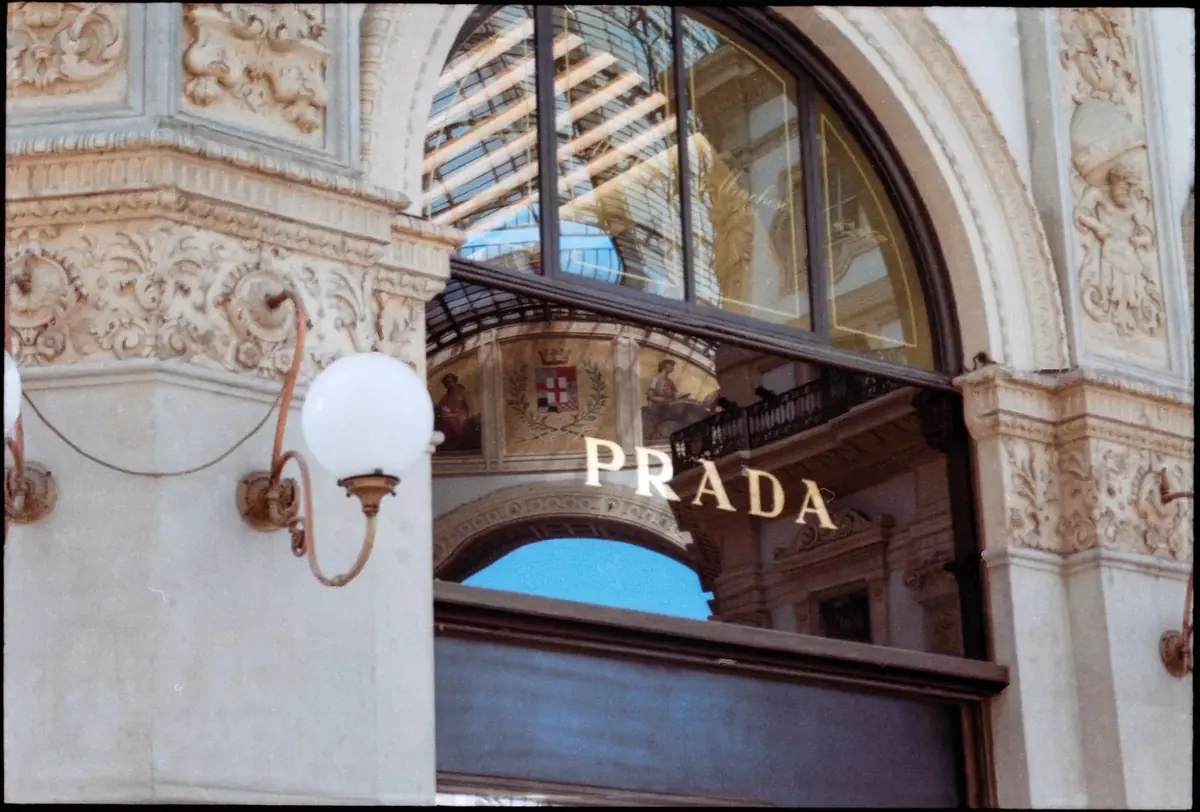
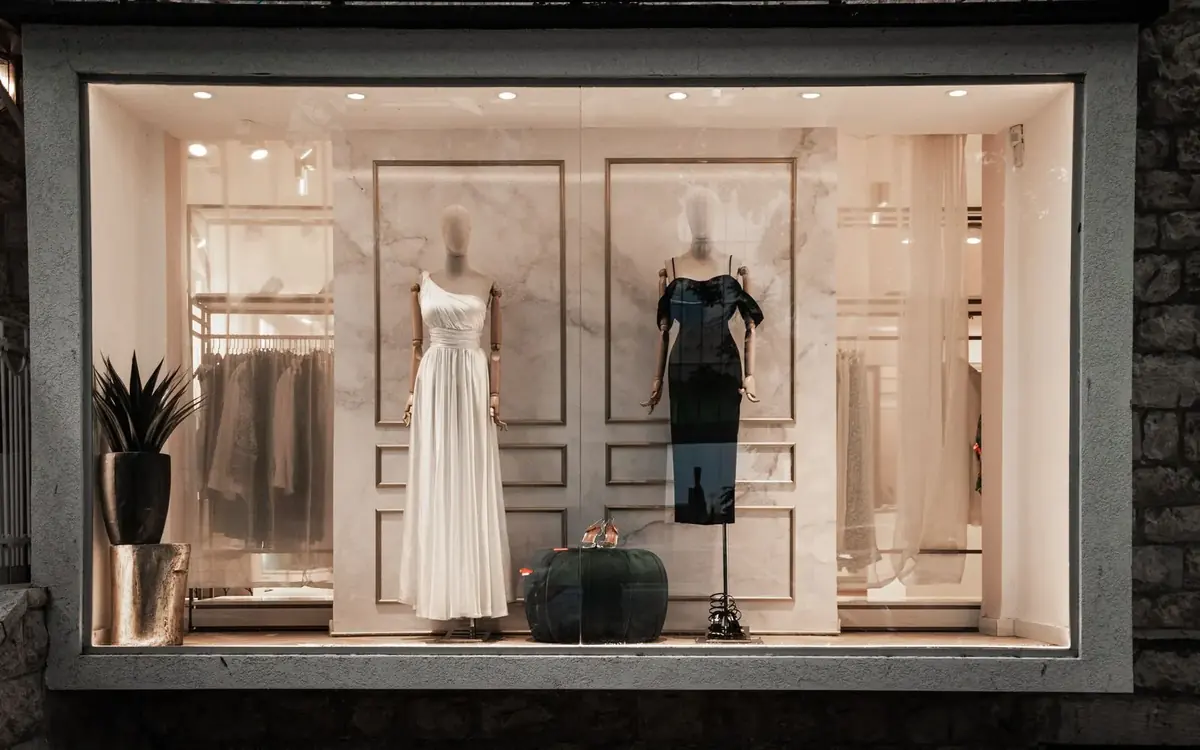
Via Montenapoleone is the main artery and the most expensive retail street in Europe (it overtook Bond Street in 2024). Every major Italian house has its flagship here: Prada, Gucci, Bottega Veneta, Loro Piana, plus the great jewellers at the Via Manzoni end. The window displays alone justify the walk — these are the houses' global showcases, redressed for every collection.
Via della Spiga runs parallel, pedestrianised and quieter — historically the "second street," now home to Dolce & Gabbana's womenswear palazzo and a string of jewellery maisons. Prettier than Montenapoleone, better for photographs, calmer for browsing.
Via Sant'Andrea connects the two and holds Chanel, Hermès, and the Armani flagship. Via Manzoni closes the rectangle with the Armani megastore complex (four floors, a café, and the Armani Hotel above it).
When to come: Weekday mornings around 10:00, when the boutiques open and the streets are nearly empty. Saturday afternoons are the worst of both worlds — crowded pavements and appointment-only service inside. Most flagships close on Sunday mornings and open around 11:00–12:00.
Window-shopping vs buying: Nobody in the boutiques minds browsers — this is understood to be a spectator sport. If you do intend to buy, know that non-EU visitors can claim VAT refunds (roughly 12–15% back on purchases over €70) — ask for the tax-free form at the till and allow 20 extra minutes at the airport.
Where Milan Actually Shops
The Quadrilatero is for the world. The Milanese buy their clothes elsewhere.
Brera is the sweet spot: independent boutiques, small Italian labels, concept stores, and mid-range designers threaded between the galleries and wine bars north of the Pinacoteca. Via Brera, Via Solferino, and Corso Garibaldi are the browsing streets. This is where you find something nobody at home will be wearing.
Corso Buenos Aires is the high-street artery — over a kilometre of Zara-to-COS-tier retail running north-east from Porta Venezia. It claims the highest concentration of clothing shops in Europe. Come here for reliable mid-market shopping, not for discoveries.
Corso di Porta Ticinese is the streetwear and independent-label strip — sneaker culture, vintage denim, small Milanese brands — running down toward the Navigli. The under-30 answer to the Quadrilatero.
The Navigli vintage scene is the insider's hunting ground. The canal district's vintage dealers and archive stores stock the 1980s and 90s Italian designer pieces that stylists raid before every fashion week. The last-Sunday-of-the-month antique market along the Naviglio Grande adds 400 dealers of everything from Gucci luggage to mid-century Murano.
Insider Moves
Saldi (sale seasons): Italian sales are state-regulated and genuinely deep — early January to mid-February, and early July to mid-August. First-week discounts run 30–50% even in the Quadrilatero flagships. The Milanese queue for the first morning; by week three the good sizes are gone.
Sample sales: The houses clear archive and sample stock through private-ish sales that locals track obsessively. The standing institution is the Il Salvagente outlet (Via Fratelli Bronzetti, east of the centre) — two floors of past-season designer stock at 50–70% off, restocked constantly. Cash was once mandatory; cards now accepted, but the no-photos rule survives.
Serravalle outlet day trip: McArthurGlen Serravalle is Europe's largest designer outlet — 300 stores, 50 minutes south-west by direct shuttle coach from the city centre (roughly €25 return, several departures daily from Foro Buonaparte). Past-season Prada, Gucci, Armani, and the full mid-market at 30–70% off. Go on a weekday; weekends draw coach tours from three countries.
Fashion Week: Runway shows are industry-only, but the city compensates — brand installations, open showrooms, and the people-watching outside the show venues is a spectacle in itself. Late February and late September. Hotel prices double; plan around it unless fashion is the reason you're coming. See our Milan Fashion Week guide for the full picture of what's actually open to visitors.
Fashion as Sightseeing
Even with a closed wallet, fashion is Milan's best free exhibition.
The Galleria Vittorio Emanuele II is where Milanese fashion retail began — Prada's 1913 founding store is still inside, brass fittings intact. Look up at the mosaics, then watch the Prada windows being dressed.
The Armani/Silos museum (Via Bergognone, Tortona district) holds four decades of Armani's archive in a converted granary — the single best fashion museum in the city, and rarely crowded.
Palazzo Morando (inside the Quadrilatero itself) houses the city's costume collection: 17 rooms of Milanese dress history that explain how this particular city ended up running world fashion.
A guided fashion walk is the one tour genre that genuinely earns its price in Milan — the guides are industry people, and the Quadrilatero's stories (which palazzo hosted which scandal, why Versace and Armani never spoke) aren't printed anywhere. The bookable options below cover the classic guided walk, a private tailored version, and the vintage-scene tour of the Navigli dealers.
In pictures
Places mentioned in this guide
Book This Experience
Vetted options across every price point and travel style.
Milano Fashion Tour: The Runway Edition
A guided walk through the Quadrilatero with a fashion-industry insider — the history, the houses, and the doors you'd never find alone.
Treasures of Milan: Fashion & Design Private Tour
Private walking tour pairing the fashion district with Milan's design heritage — tailored to your interests, at your pace.
Vintage Shopping Tour in Milan
A local guide takes you through the archive stores and vintage dealers where stylists actually source — sizes checked, haggling handled.