Milan Museums: Art, Design & Leonardo
Plan Milan museum visits to Brera, Fondazione Prada, the Last Supper, and Leonardo's science museum with official tickets and a one-day route.
Editorial guide · Updated 2026-08-30
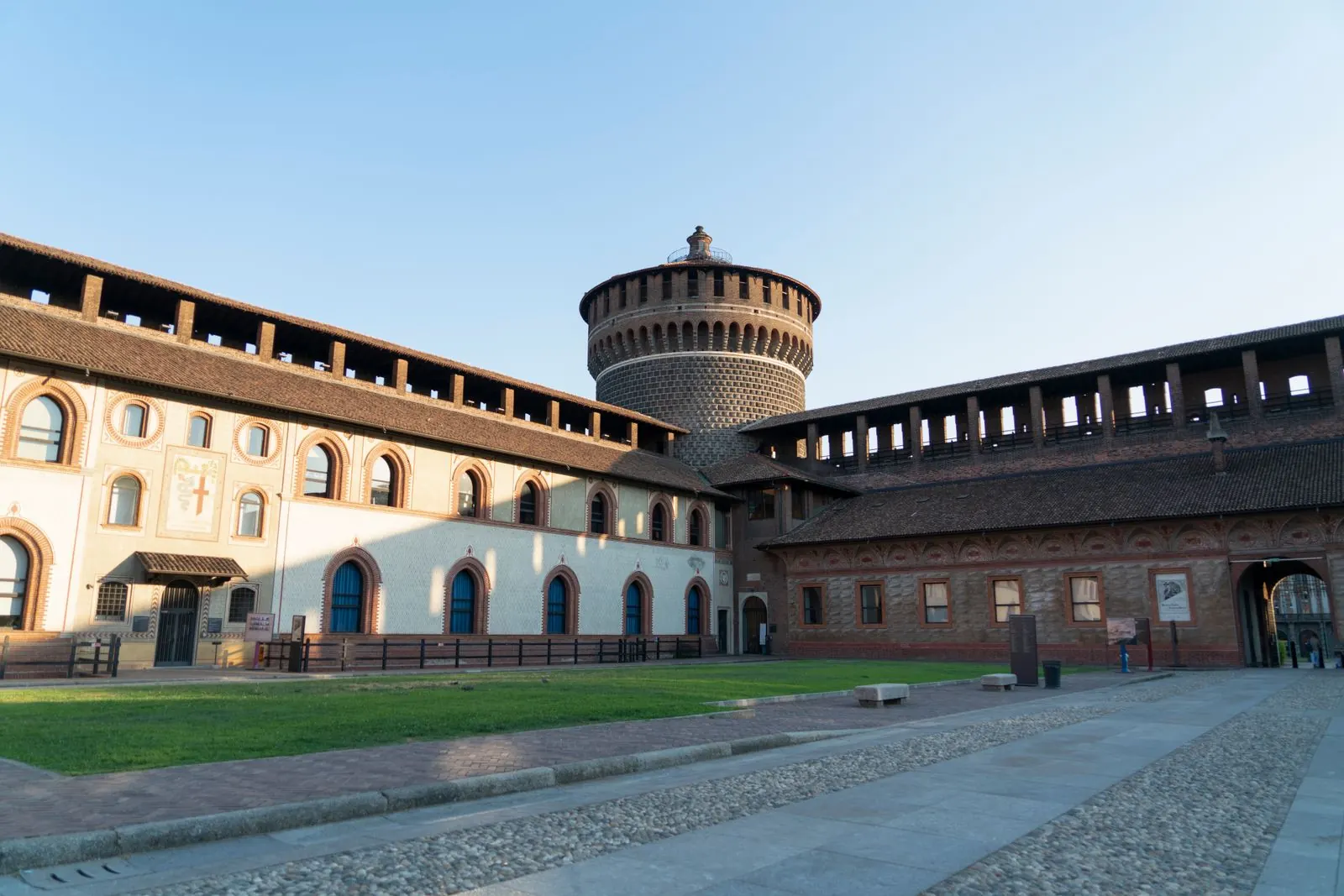
The Most Underrated Art City in Italy
Milan is not Rome or Florence. It doesn't have the density of famous individual works per square kilometre that those cities offer. What it has instead is a remarkable breadth — the greatest Renaissance painting collection in northern Italy, the single most important contemporary art foundation in Europe, the world's largest science museum, and, in the Cenacolo Vinciano, one of the most significant works of art ever made.
The mistake is to spend too much time in Milan and too little time in its museums, or to treat the museums as boxes to tick rather than places to spend real time. This guide tells you what's worth your time and how much of it — and if the forecast turns, see what to do in Milan when it rains for how to build an entire wet day around exactly these collections.
The Must-Sees
Pinacoteca di Brera
The most important painting museum in northern Italy. The collection — assembled by Napoleon, who had the excellent idea of taking the best paintings from the churches and monasteries he was dissolving — contains works that individual museums elsewhere in Europe would anchor their entire identity around.
The highlights:
- Raphael, Marriage of the Virgin (1504): The painting that established Raphael's reputation, with a perspective mastery that made every other painter of the period feel inadequate.
- Mantegna, Dead Christ (c.1483): The most unsettling devotional painting in the history of Italian art. The foreshortened Christ, seen from below the feet, is technically audacious and emotionally devastating.
- Caravaggio, Supper at Emmaus (1606): The later, darker version — less theatrical than the London version, more emotionally true.
- Piero della Francesca, Montefeltro Altarpiece (c.1472): One of the most mysterious Renaissance paintings, with an ostrich egg suspended above the Virgin and the correct answer to what that means still debated.
Allow three hours minimum. The building — an 18th-century palace with a large courtyard — is worth spending time in itself.
Practical: Open Tuesday–Sunday 10:00–18:00 (until 21:00 on Fridays). Book in advance for Fridays. The second Sunday of the month is free and very crowded — avoid it.
Fondazione Prada
Miuccia Prada's contemporary art foundation is the most important exhibition venue in Europe and, arguably, the most ambitious private museum project in the world. The Rem Koolhaas–designed complex (a former gin distillery) mixes historic buildings with entirely new construction, including the gold-leaf coated Tower and the Haunted House (a six-storey building permanently installed with unsettling works by Thomas Demand, Michael Heizer, and Louise Bourgeois).
The permanent collection is exceptional. The temporary exhibitions are international calibre. The Bar Luce café, designed by Wes Anderson, is worth visiting even if you have no interest in art.
Practical: Open Wednesday–Monday 10:00–19:00 (until 21:00 on Thursdays and Saturdays). Reserve in advance for weekends. Allow half a day for the full complex.
The Last Supper (Cenacolo Vinciano)
Leonardo da Vinci's mural, painted directly on the plaster wall of the Santa Maria delle Grazie refectory between 1495 and 1498, is one of the three or four most significant works of art ever made. The composition — twelve apostles and Christ at a long table, their reactions to the announcement of betrayal frozen at a single moment — revolutionised European painting. Every subsequent depiction of the scene derives from this one.
The viewing is timed: 15 minutes, maximum 25 people, preceded by two decontamination airlocks that control humidity. This is not theatre — the mural has been deteriorating for 500 years and the controlled environment is the only reason it still exists.
Book weeks in advance. This is not a suggestion. Available slots fill within days of opening (60 days in advance). Check the official website daily if everything is sold out — cancellations appear. Every authorised ticket seller is linked from the official museum website; every other ticket seller is a secondary market charging 200–500% markup.
A guided tour is worth it: The 90-minute art historian guide transforms 15 minutes into genuine understanding — the iconography, the revolutionary perspective, the damaged areas, the restoration decisions. See the activities section for recommendations.
Museo del Novecento
The essential guide to why Italian art didn't stop with the Renaissance. The collection — 20th-century Italian art, displayed in the Palazzo dell'Arengario overlooking Piazza del Duomo — traces the Futurist movement, Arte Povera, and every significant Italian movement in between.
Highlights: Umberto Boccioni's Futurist sculptures, Giorgio Morandi's bottles (more moving in person than in reproduction), Lucio Fontana's slashed canvases (the Spatial Concepts), and works by Fausto Melotti and Piero Manzoni that explain everything that happened in Italian art after 1960.
Practical: Open Tuesday–Sunday, with extended hours until 22:30 on Fridays and Saturdays. Free on the first Sunday of the month (crowded). The Duomo views from the upper gallery are worth the price of entry on their own.
Worth Your Time
Pinacoteca Ambrosiana
Leonardo's Portrait of a Musician and the Codex Atlanticus — 35,000 drawings and notes in Leonardo's hand — make this one of the most significant collections of Renaissance art in the world. Almost always undercrowded because the Brera and the Last Supper consume tourist attention. Take full advantage.
Raphael's full-scale cartoon for the School of Athens is here. Jan Brueghel the Elder's Vase of Flowers is one of the finest flower paintings in European art.
Practical: Open Tuesday–Sunday 10:00–18:00. Closed Monday. Ten minutes on foot from the Duomo.
Museo Nazionale della Scienza e della Tecnologia
Europe's largest science museum, in a 16th-century monastery that is itself worth seeing. Leonardo da Vinci's machine drawings (and the models built from them) occupy a significant wing. The submarine — a World War II vessel you can walk through — is exceptional. The railway pavilion contains 19th and early 20th-century Italian locomotives that are beautiful objects as well as historical artefacts.
Good for a full day. Excellent for children. Consistently underrated by adult visitors who don't give it enough time.
Practical: Open Tuesday–Friday 10:00–18:00, weekends until 18:30. Closed Monday.
Triennale di Milano
Italy's design museum, in a 1933 building in Sempione Park. The changing exhibitions are usually excellent — architecture, fashion, product design, graphic design at international calibre. The permanent collection traces Italian design from 1928 to now. The café terrace overlooking the park is one of the city's better lunch spots.
Practical: Open Tuesday–Sunday 10:30–20:00 (until 23:00 on Fridays and Saturdays). Five minutes' walk from Castello Sforzesco.
Museum Practicalities
Milan does not have one universal museum pass that solves every itinerary. The practical approach is to book timed attractions first, then group flexible museums by neighbourhood. Use the official ticket link for each museum because opening hours, exhibitions, free-entry days, and reservation rules can change.
Ticket planning and low-cost visits
Book the Last Supper as soon as your dates are firm. Brera and Fondazione Prada are also worth reserving for popular weekends, while the civic museums are usually easier to fit around the rest of your day. Check official sites for free-entry days rather than relying on an old blog or a search snippet; free sessions can be much busier than ordinary ones.
If you are travelling on a budget, combine one major timed visit with a lower-cost city museum, walk between central collections, and use the Milan museums index to compare the current ticket and booking options before paying.
A Practical One-Day Museum Itinerary
Start at the Pinacoteca di Brera in the morning while your attention is fresh. Walk south to the Duomo for lunch, then visit the Museo del Novecento for 20th-century Italian art and the skyline view. Finish at the Pinacoteca Ambrosiana if you want Renaissance manuscripts and Leonardo, or replace it with the Museo Nazionale della Scienza e della Tecnologia for a family-focused afternoon.
Treat the Last Supper as a separate timed visit rather than trying to attach it to this route. Its 15-minute viewing window and fixed entry time make it the least flexible museum stop in Milan.
Booking: The Last Supper requires advance booking (weeks). The Fondazione Prada is worth booking in advance for weekends. Other museums rarely sell out but booking avoids queuing.
Passes: A single museum pass covering multiple venues doesn't exist in the way Rome or Paris have it. Buy tickets individually, online, in advance.
Photography: The Last Supper prohibits photography. The Pinacoteca Brera allows photography without flash. Fondazione Prada allows photography everywhere. Always check individual museum policies.
What to skip: The Galleria d'Arte Moderna (collection is thin), and the smaller archaeological museums unless you have a specialist interest.
Official Ticket and Visitor Sources
- Pinacoteca di Brera: official tickets and visitor information
- Fondazione Prada: official visit information
- Cenacolo Vinciano: official booking information
- Museo del Novecento: official civic museum information
- Museo Nazionale della Scienza e della Tecnologia: official tickets
- Triennale Milano: official visitor information
In pictures
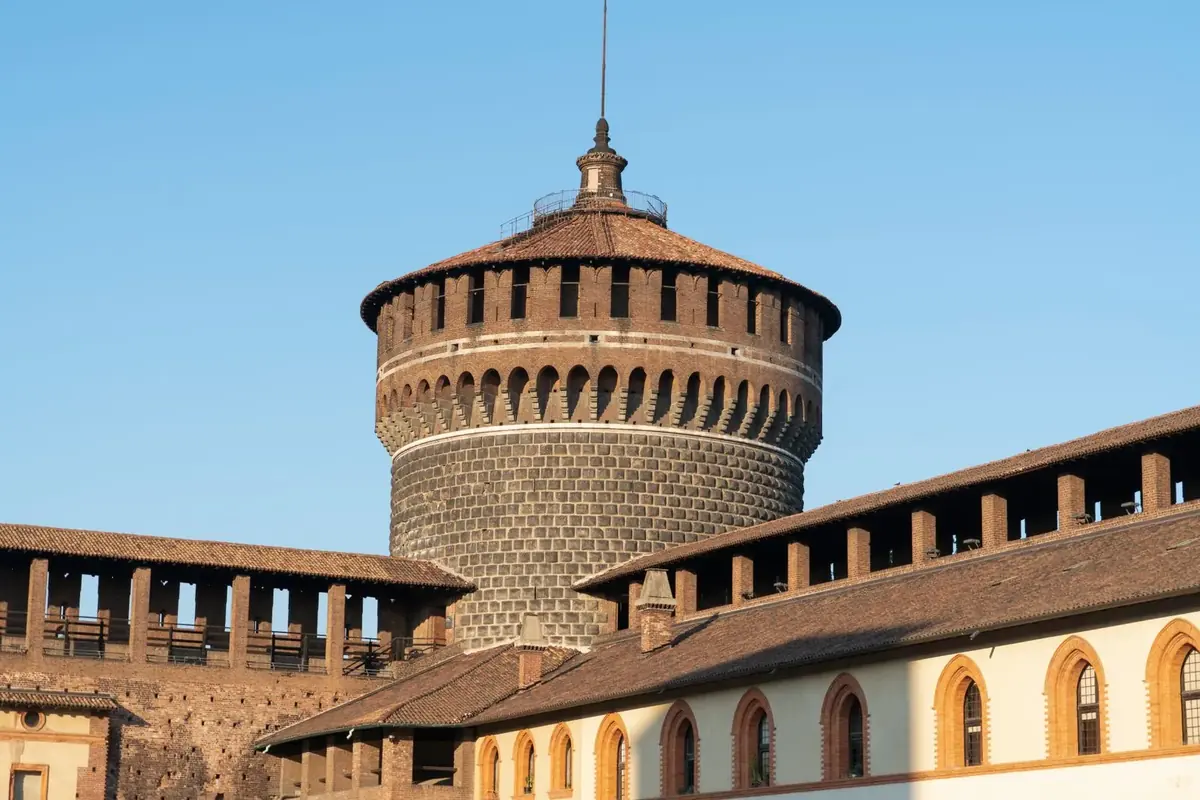
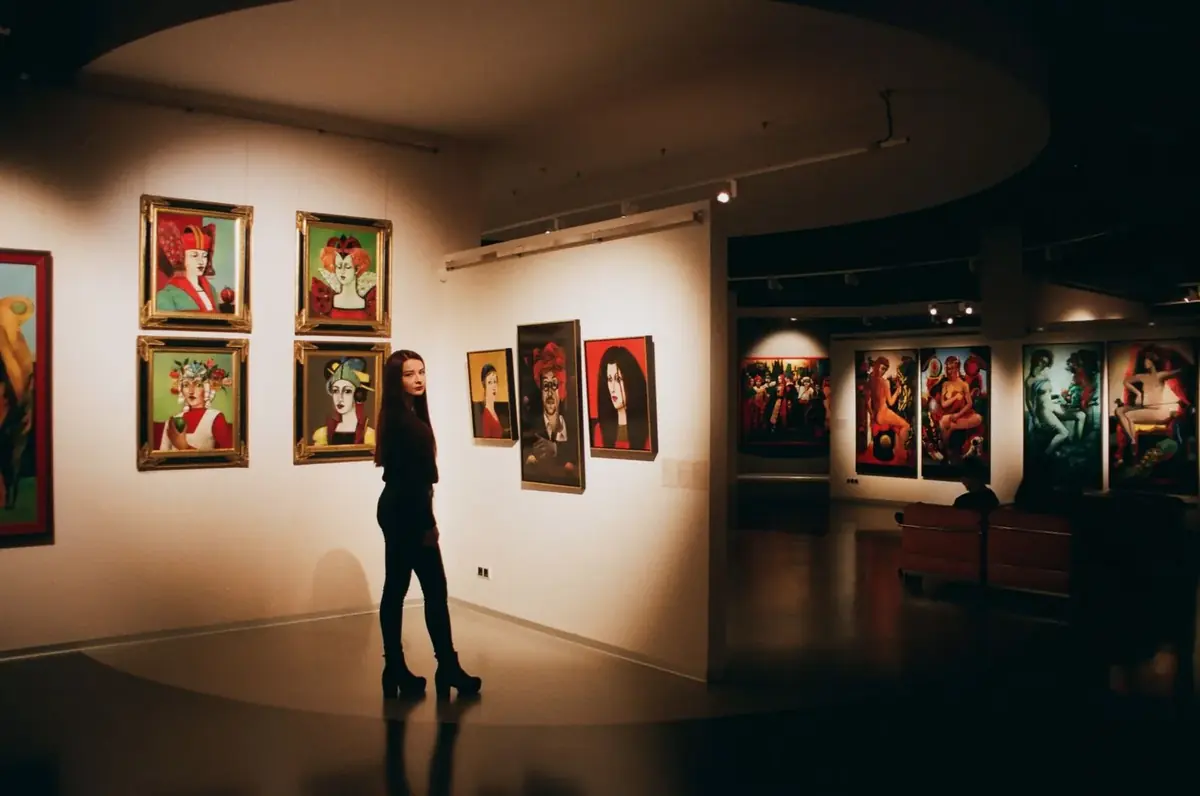
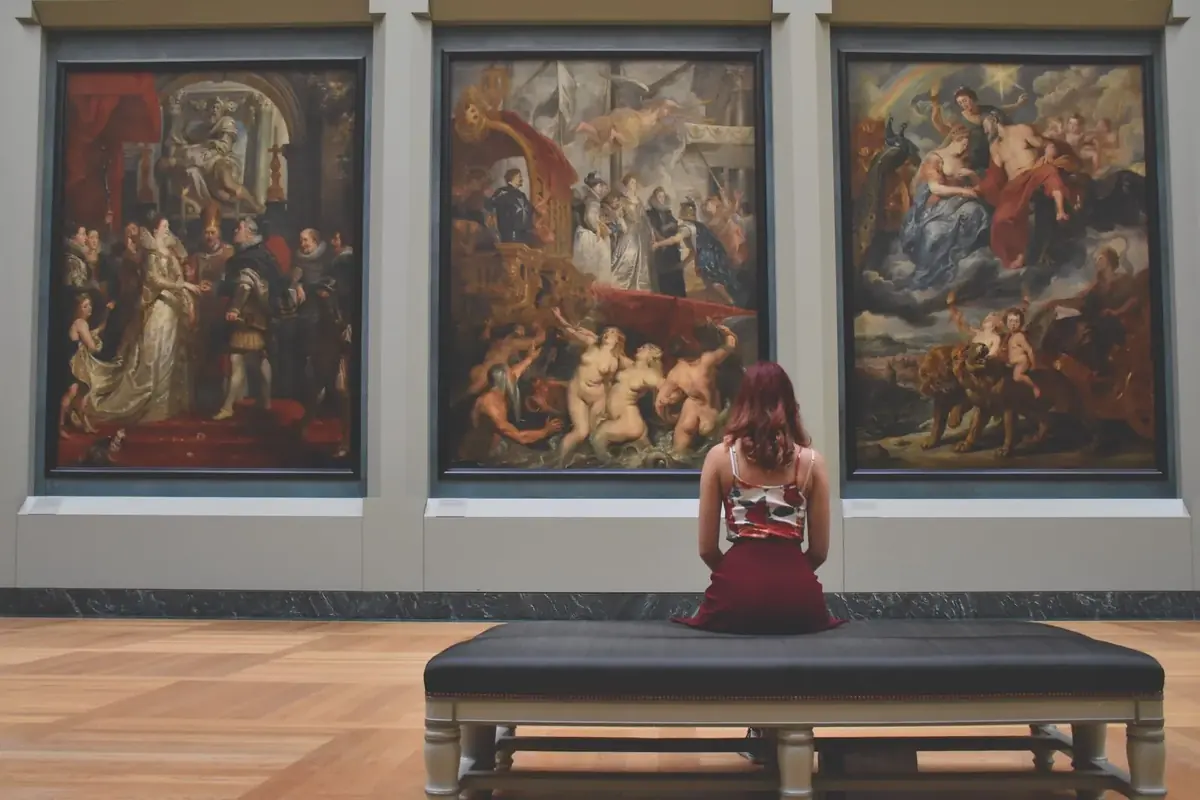
Places mentioned in this guide
Book This Experience
Vetted options across every price point and travel style.
Skip the Line: Milan Brera Art Gallery Ticket
A bookable entry option for the Pinacoteca di Brera when you want to explore the collection independently.
Entrance to the Leonardo da Vinci Science and Technology Museum
A practical ticket option for Milan's science museum, especially useful for families and Leonardo-focused itineraries.