Milan Digital Nomad Guide: Work & Stay
The practical Milan digital nomad guide: best neighbourhoods, coworking spaces, Wi-Fi, cafés, costs, SIM cards, transport, and a realistic weekly routine.
Editorial guide · Updated 2026-08-25
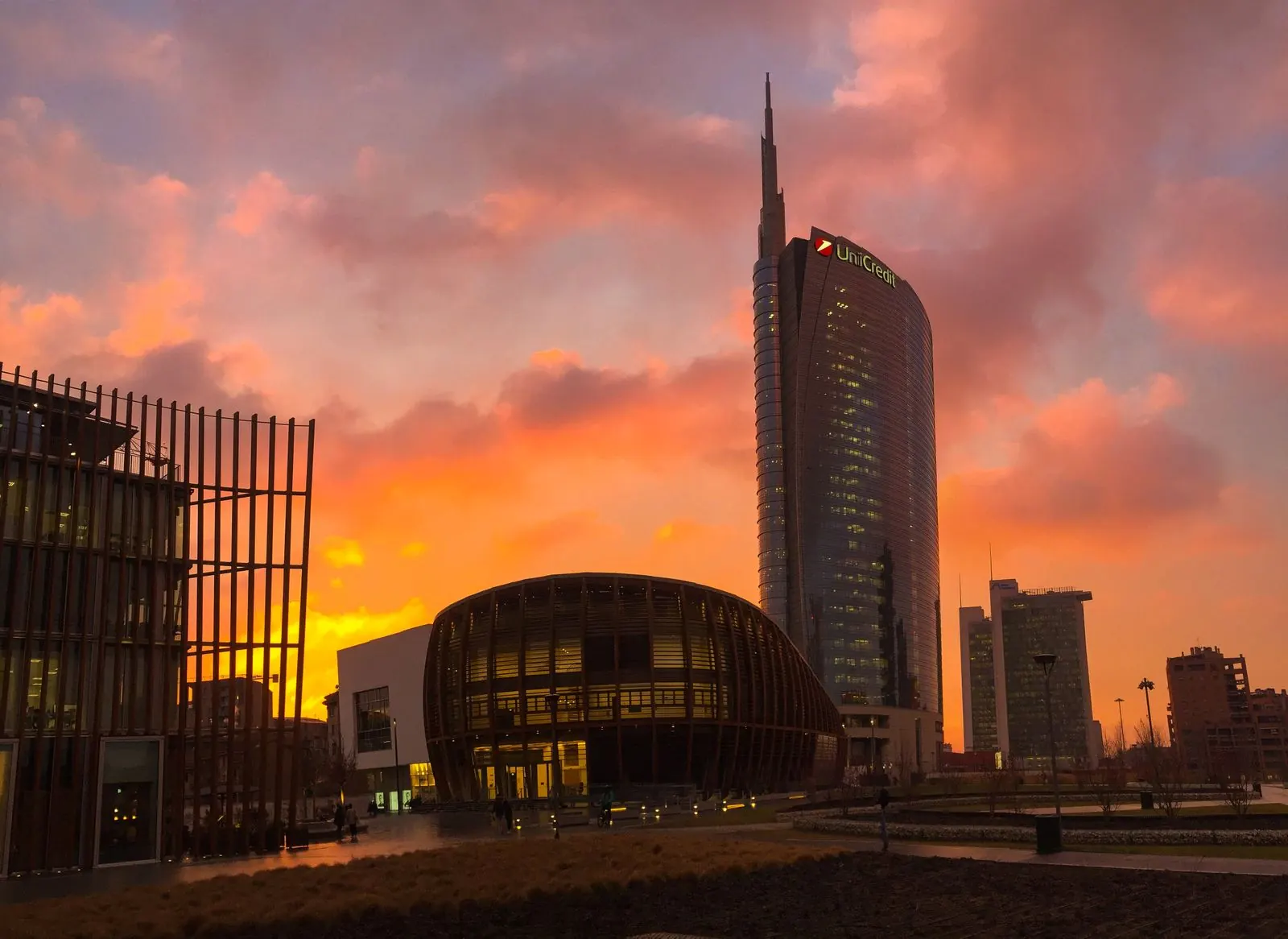
Milan is one of Europe's easiest cities for a one-month workation, but it is not a city where you can simply arrive with a laptop and expect every beautiful café to have a socket. The winning strategy is to live near a metro line, work from a proper coworking space on focused days, and use cafés for shorter sessions rather than treating them as a free office.
This Milan digital nomad guide covers where to stay, how to work, what a realistic monthly budget looks like, and how to build a routine that leaves time for the city.
The Best Milan Neighbourhoods for Digital Nomads
Porta Venezia is the best all-round base. It has excellent cafés, supermarkets, restaurants at every price, the M1 red metro line, and a lively but liveable atmosphere. Choose it if you want to walk to work, eat well, and still reach the Duomo quickly.
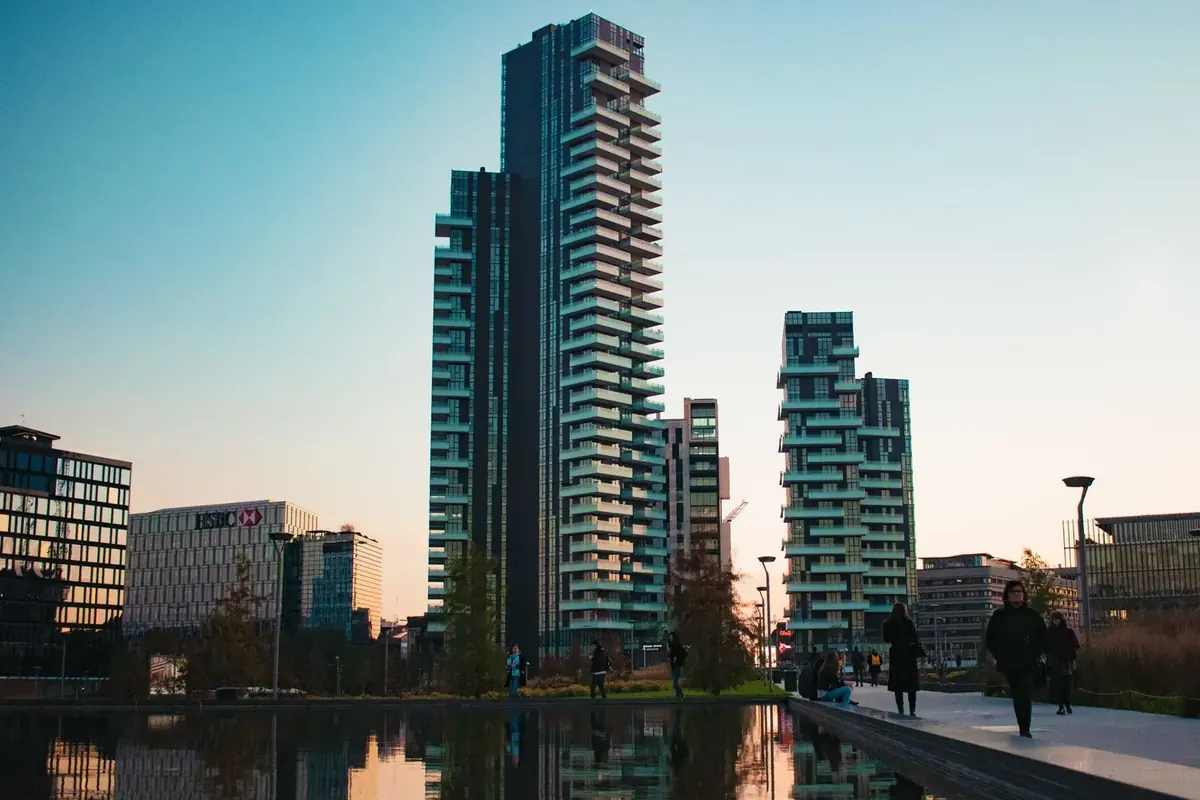
Isola and Porta Nuova suit professionals who want newer buildings, strong transport links, and a calmer evening scene. Isola has independent restaurants and bars; Porta Nuova has polished offices, parks, and reliable connections from Garibaldi.
Navigli is the social choice. It is fun, walkable, and full of aperitivo spots, but the canal streets are noisy at night and short-term rents command a premium. Stay a few blocks north of the water if sleep matters.
Città Studi is the value option. The university gives the area a younger atmosphere, rents are usually less punishing, and the M2 and tram network make central Milan accessible. It is less picturesque, but practical for a month or more.
Brera is beautiful and central, though rarely the best value. Choose it for a short workation when walking everywhere is worth paying for.
Where to Work in Milan
For important calls, use a coworking desk or meeting room rather than gambling on a café. Milan has plenty of flexible workspaces around Porta Garibaldi, Porta Venezia, Centrale, and the Tortona design district. Day passes are easiest to arrange online; ask about phone booths, monitor hire, and whether the pass includes a guaranteed desk.
For a lighter workday, choose a café with a clear order-and-leave rhythm. Go before the lunch rush, buy something every couple of hours, keep calls short, and never occupy a four-person table alone when the room is busy. The best café work is usually a two-hour writing session, not an eight-hour office day.
Best neighbourhood strategy: work from coworking Monday to Thursday, use a café for Friday admin, and keep one completely offline afternoon. Milan is more enjoyable when your laptop is not open in every photograph.
Wi-Fi, SIM Cards, and Calls
Italian 4G and 5G coverage is strong across the city. An eSIM is the simplest choice for visitors; check that your phone is unlocked and buy enough data for tethering before you arrive. If you need an Italian number for a long stay, compare prepaid offers from TIM, Vodafone, and Iliad in an official shop rather than relying on an airport kiosk.
Test your accommodation's upload speed, not just its download speed. A listing saying “Wi-Fi available” tells you nothing about video calls. Ask for a speed test screenshot and confirm where the desk is located before booking a month.
For calls, keep a backup plan: phone hotspot, headphones with a microphone, and a quiet coworking booth. Thunderstorms and crowded apartment networks are occasional realities, not reasons to miss a client meeting.
A Realistic Monthly Budget
The biggest variable is accommodation. A private room or compact studio outside the historic centre can make Milan manageable; a central short-term apartment during Fashion Week can consume an entire budget by itself.
As a planning guide, allow €900–1,600 for accommodation, €250–450 for food, €40–80 for transport and mobile data, and €150–300 for cafés, culture, and weekends. A comfortable month therefore starts around €1,400 outside peak periods and rises quickly with a central private apartment and frequent restaurants.
The savings are in routine: shop at neighbourhood supermarkets, eat the weekday lunch menu, walk between central meetings, and reserve restaurant splurges for two or three nights a week.
Transport for a Working Month
The metro is the backbone of Milan. The M1 connects Porta Venezia, the Duomo, and Cadorna; M2 serves Brera, Porta Genova, and Navigli; M3 links Centrale, Porta Romana, and the Duomo area; M5 is useful for Isola and San Siro. Trams are slower but often more scenic.
Buy the pass or ticket option that matches your actual routine rather than assuming a tourist pass is best. For a month, compare ATM's current travel products and validate tickets as required. Milan is compact enough that walking should handle many central journeys.
For airport arrivals, compare the Malpensa Express, airport buses, and a pre-booked transfer based on arrival time and luggage. The cheapest option is not always the least expensive after a late flight and a long walk to an apartment.
How to Meet People Without Forcing It
Start with a social activity in your first week: an aperitivo tour, language exchange, running club, or coworking event. Milan's social life is neighbourhood-based, so returning to the same bar or café is more effective than trying a new place every night.
The easiest recurring communities are international meetups, design and technology events, university talks, climbing gyms, and coworking breakfasts. Search for events near your base and check the date shortly before attending; Milan's calendar changes constantly.
Learn a few Italian phrases, especially when ordering and making small talk. You do not need fluent Italian to make friends, but making the effort changes how long conversations last.
A Productive Weekly Routine
Monday: deep work in a coworking space, groceries in the evening.
Tuesday: calls in the morning, a walk through Brera or Porta Venezia after work.
Wednesday: lighter café session, museum or aperitivo before dinner.
Thursday: focused work and an evening social event.
Friday: finish early, explore Navigli or Isola, and keep the evening unplanned.
Weekend: one day trip or lake visit, one slow Milan day. Do not turn every weekend into a train timetable.
Milan rewards a balanced schedule: two or three serious workdays, a few flexible café sessions, and enough empty space to notice what locals are doing.
Practical Rules That Make the Month Better
Book accommodation with a real desk. A kitchen counter is not a desk for four weeks.
Avoid Fashion Week unless you budget for it. Late February and late September can transform accommodation prices and availability.
Do not work from a café at peak lunch. Move on, or choose a dedicated desk.
Keep valuables close on crowded metro lines. Normal city awareness is enough; do not leave a laptop beside an open bag.
Reserve popular restaurants. A flexible work schedule is useful, but Milan's best small dining rooms fill quickly.
Leave the centre. The city becomes cheaper, calmer, and more interesting as soon as you use the neighbourhoods as your daily map.
In pictures


Book This Experience
Vetted options across every price point and travel style.
Milan Food and Market Tour
A sociable first-week experience for learning the city through its markets, neighbourhoods, and everyday food.
Milan Aperitivo Tour
Meet other travellers over the ritual Milan evening drink and get a local introduction to Navigli bars.