Milan Neighbourhoods
Ten distinct districts. Ancient ruins next to coffee bars, flea markets beside Michelin stars. Choose your Milan.
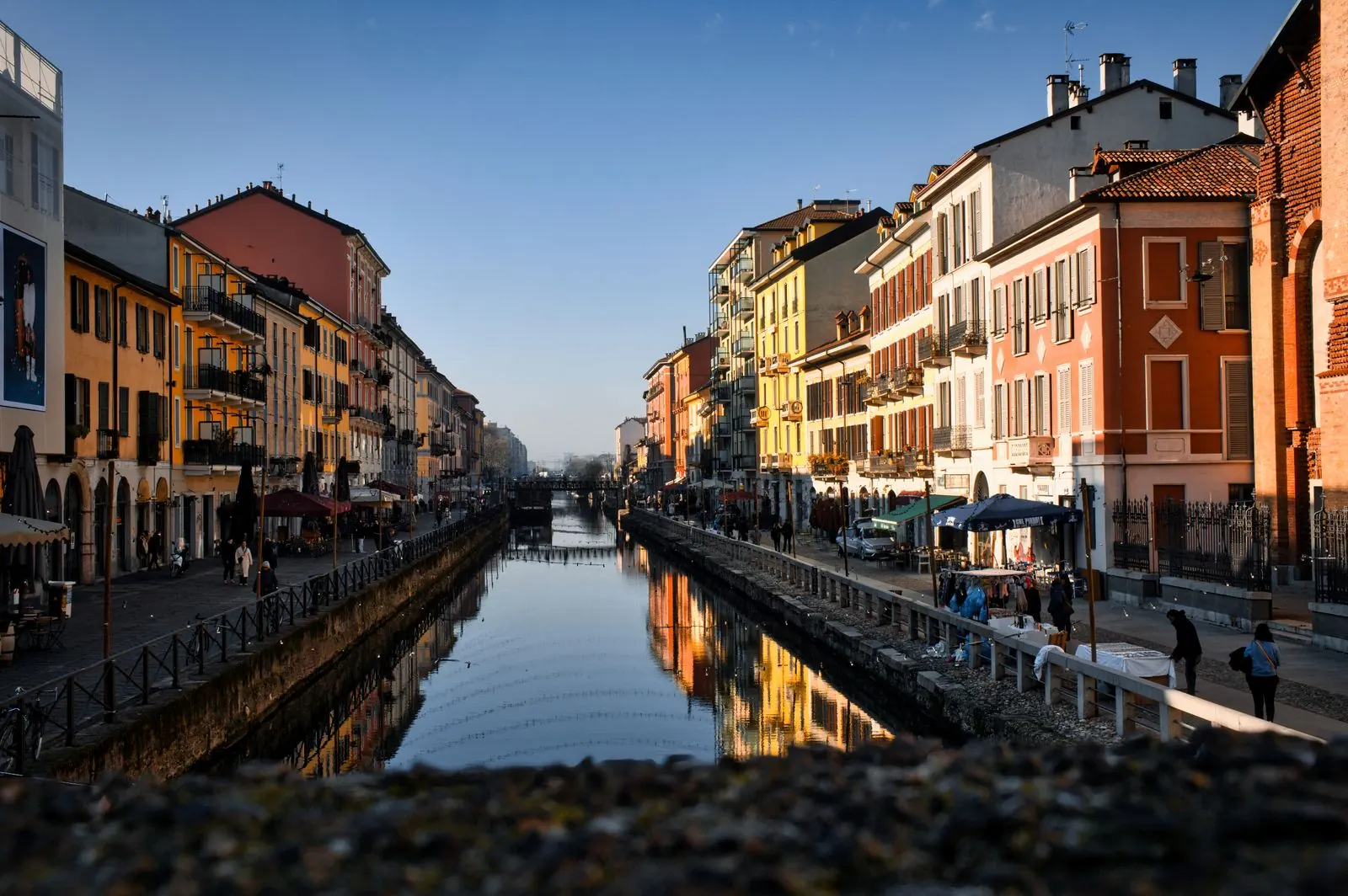
Buzzing, bohemian, waterfront
Navigli
Milan's canal district and aperitivo capital. Come 18:00, every bar along the Naviglio Grande fills with Campari spritz, free snacks, and the city's best after-work crowd. The most sociable neighbourhood in Milan.
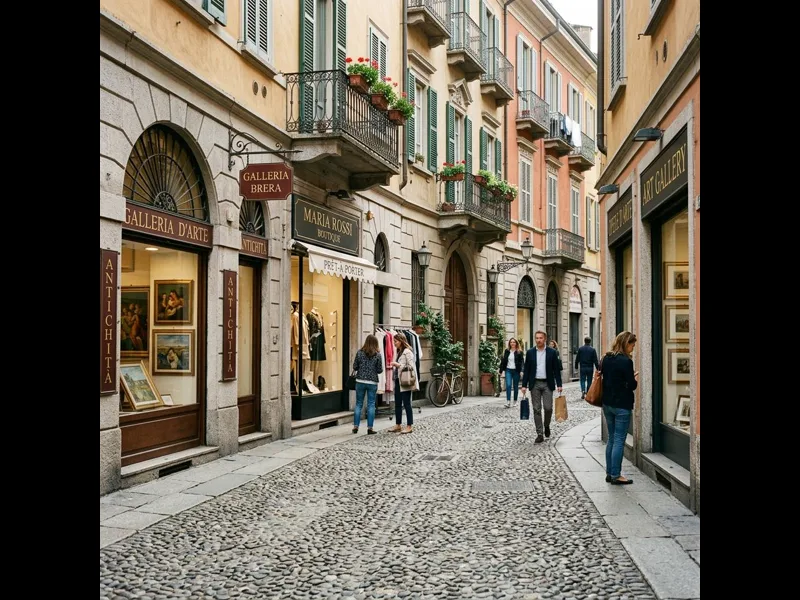
Artistic, elegant, refined
Brera
Milan's most beautiful neighbourhood — cobblestone streets, the Pinacoteca di Brera, independent galleries, and the city's most civilised aperitivo bars. A Parisian quarter transplanted to Lombardy.
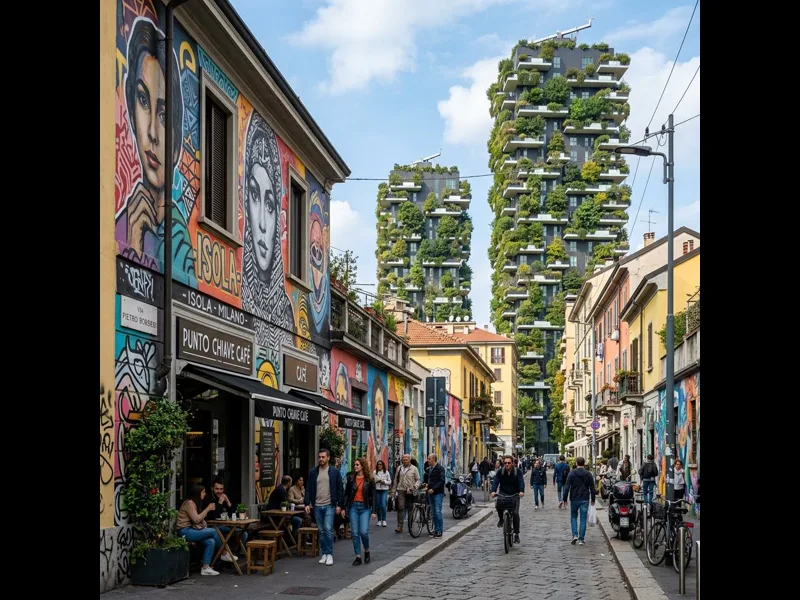
Creative, independent, genuine
Isola
Milan's coolest neighbourhood — independent coffee roasters, natural wine bars, concept stores, and creative studios in a former working-class district that the city forgot to gentrify until recently. Where young Milanese actually go.
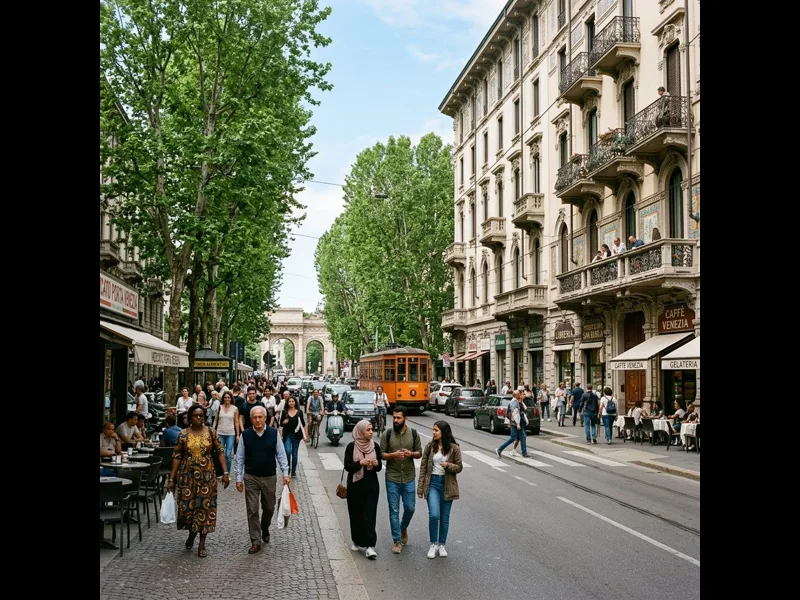
Cosmopolitan, diverse, welcoming
Porta Venezia
A tree-lined neighbourhood of Liberty-style palaces, the city's most diverse dining scene, and Milan's LGBTQ+ social hub. The most cosmopolitan corner of the city, with excellent aperitivo spots and independent restaurants.
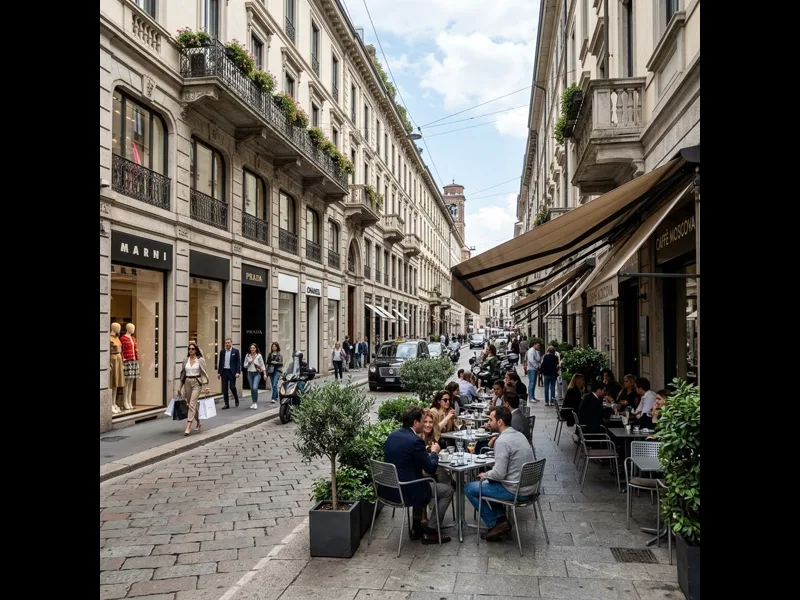
Relaxed, upscale, local-first
Moscova
The neighbourhood between Brera and Isola — upscale but not stuffy, with excellent bars, neighbourhood restaurants, and a locals-first energy. Known for the Conca del Naviglio and relaxed aperitivo culture.
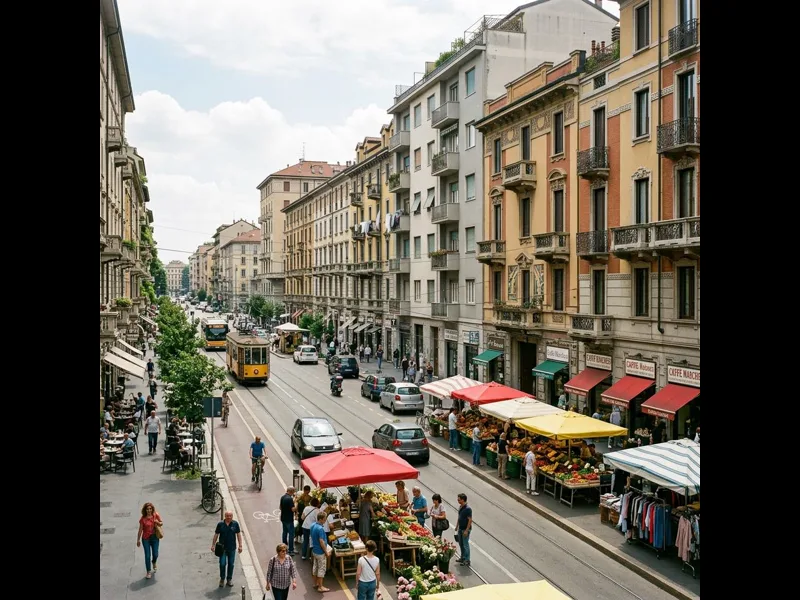
Design-forward, residential, emerging
Porta Romana
A residential neighbourhood increasingly known for interesting restaurants, design studios, and the PRADA Foundation. Milan's design week (Fuorisalone) transforms it every April.
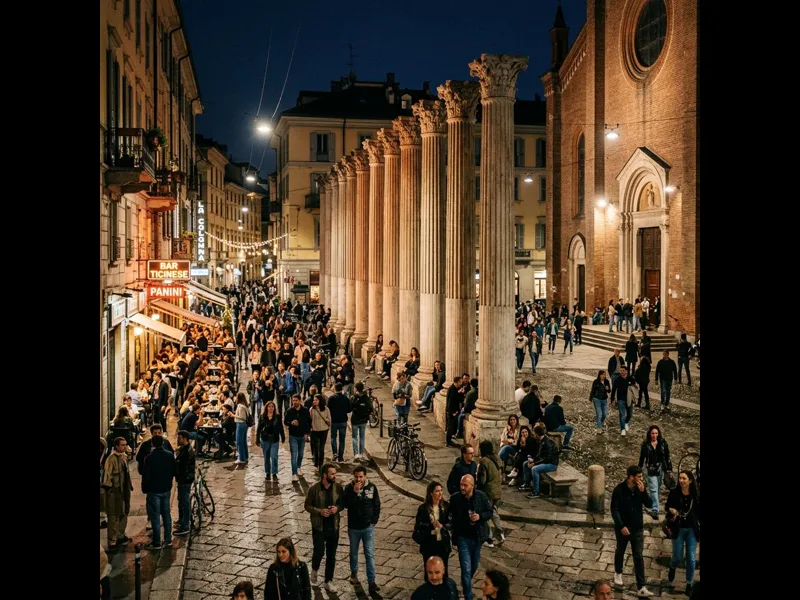
Historic, local, authentic
Ticinese
Between the Navigli and the Duomo — basilicas, medieval columns, and some of the most authentic Milanese osterias. Sant'Eustorgio and San Lorenzo Maggiore anchor a neighbourhood that feels genuinely historic.
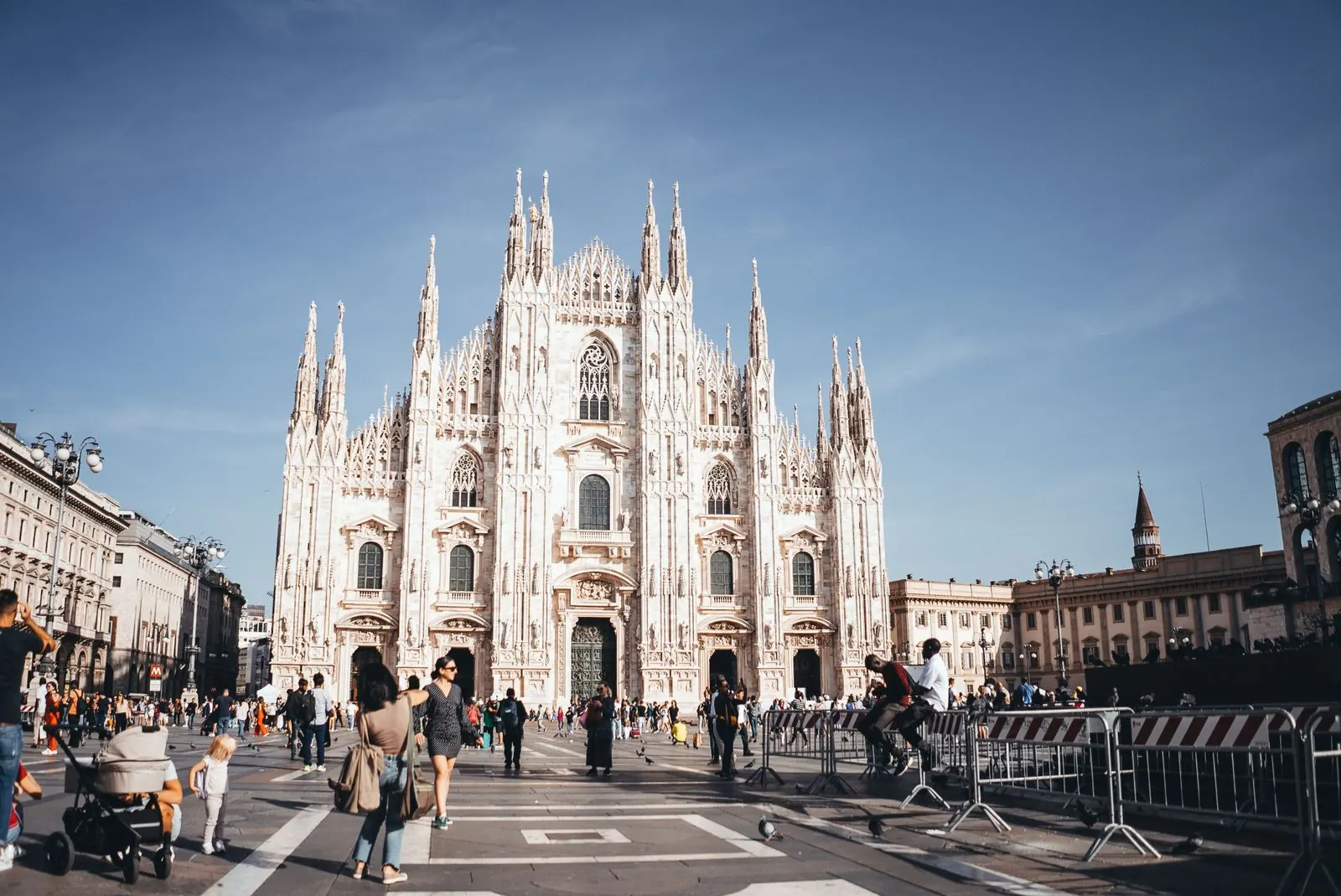
Grand, historic, touristy but essential
City Centre (Duomo/Galleria)
The geographic and symbolic heart of Milan — the Duomo, Galleria Vittorio Emanuele II, La Scala opera house, and the Castello Sforzesco. Where every visit begins, even if you spend most of your time elsewhere.
Contemporary, financial, architectural
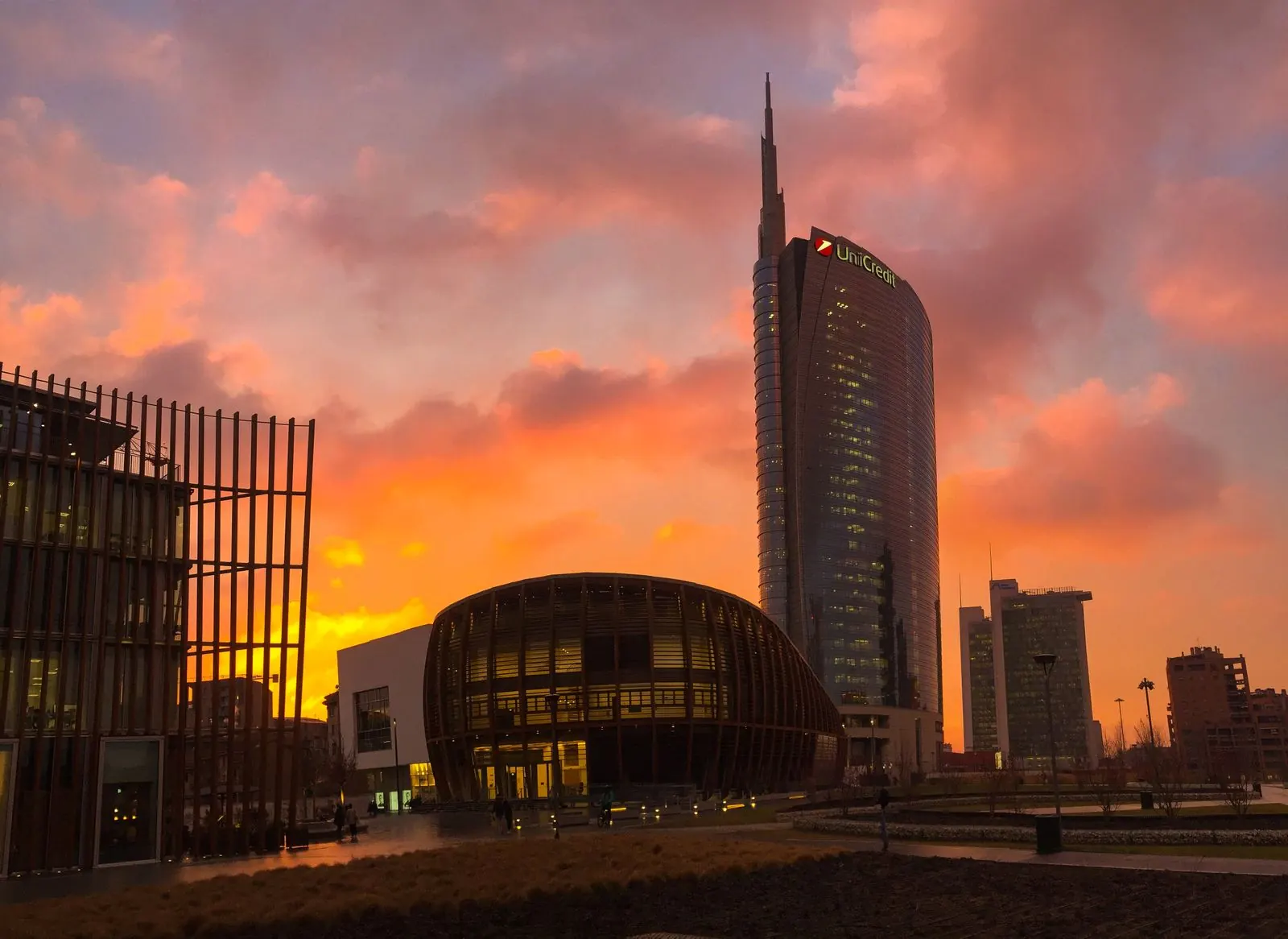
Porta Nuova
Milan's contemporary skyline — the Bosco Verticale, Unicredit Tower, and the Biblioteca degli Alberi park. The financial district reimagined as a liveable neighbourhood, with upscale restaurants and weekend markets.
Contemporary, spacious, car-free
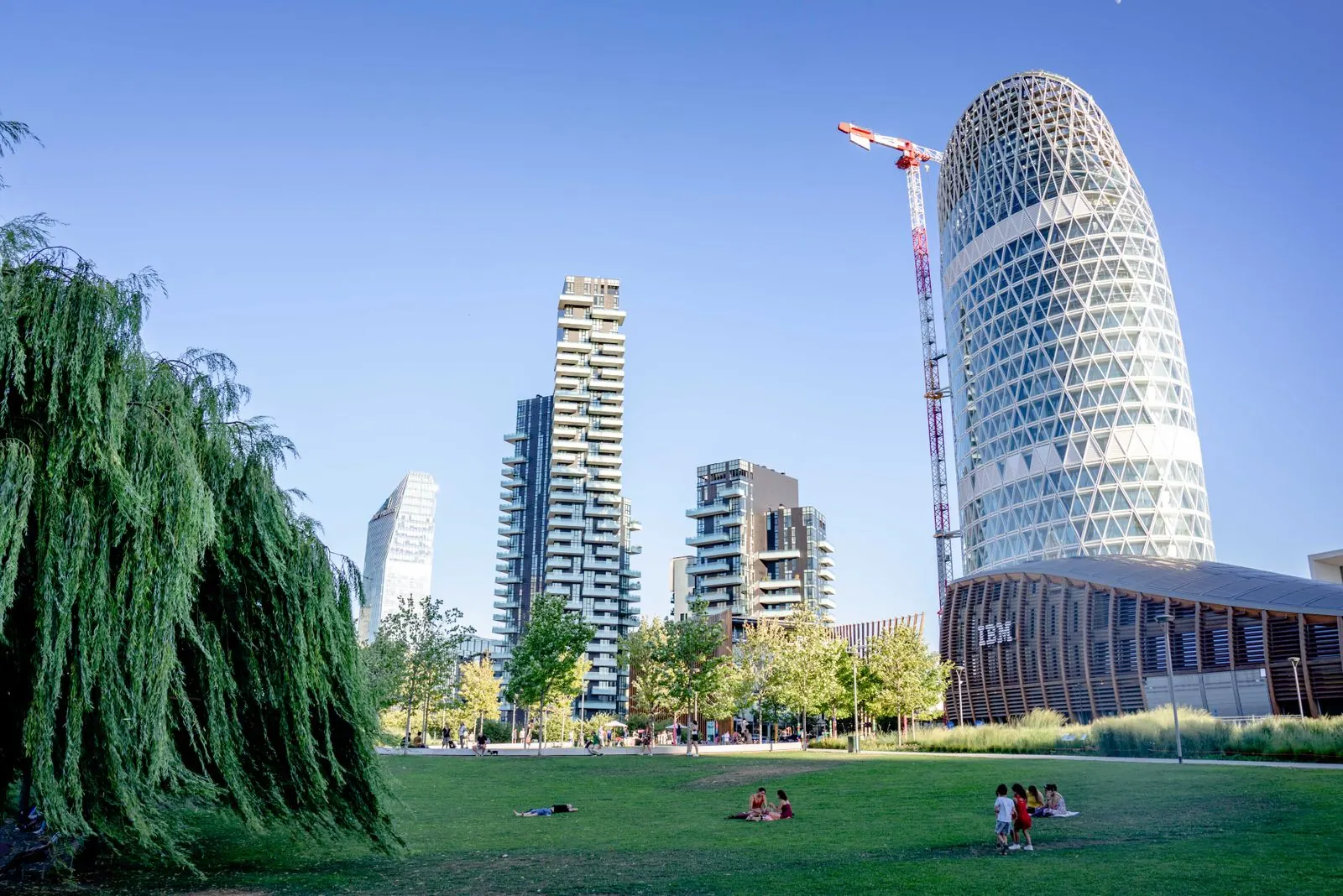
CityLife
Milan's newest district, built on the old trade-fair grounds around Piazza Tre Torri — three architect-designed skyscrapers (Zaha Hadid's twisted 'Lo Storto', Arata Isozaki's straight 'Il Dritto', Daniel Libeskind's curved 'Il Curvo'), one of the city's largest car-free parks, and a shopping district at street level. A locals' tip: Gud here is a reliable aperitivo stop after a walk through the park.
Student, unpretentious, authentic
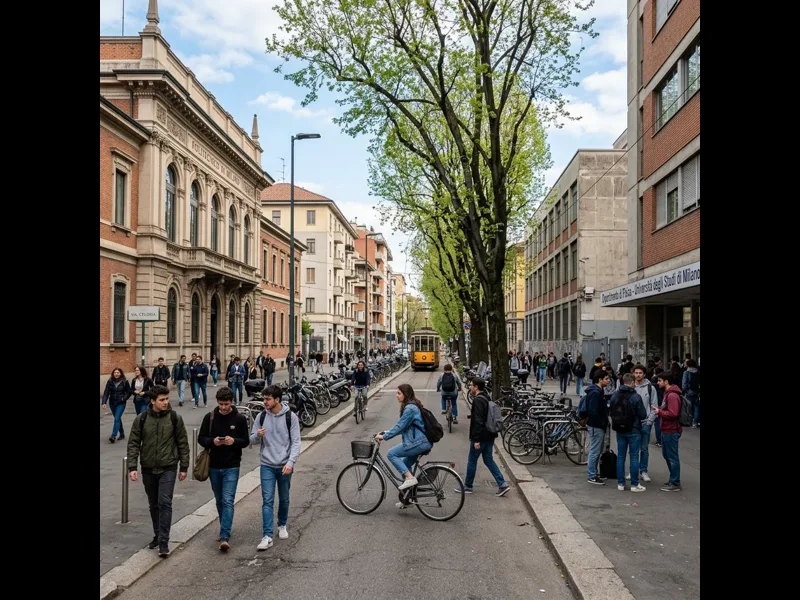
Città Studi
Milan's university district — student cafes, cheap and excellent trattorie, the Science Museum, and a relaxed energy missing from the tourist circuit. Where you eat like a Milanese student and pay almost nothing for it.