San Siro Stadium & Derby della Madonnina: Complete Visitor Guide
San Siro tickets, the stadium tour, where to sit, and how to get there — a practical guide to AC Milan, Inter, and the Milan derby for visiting fans.
Editorial guide · Updated 2026-10-07
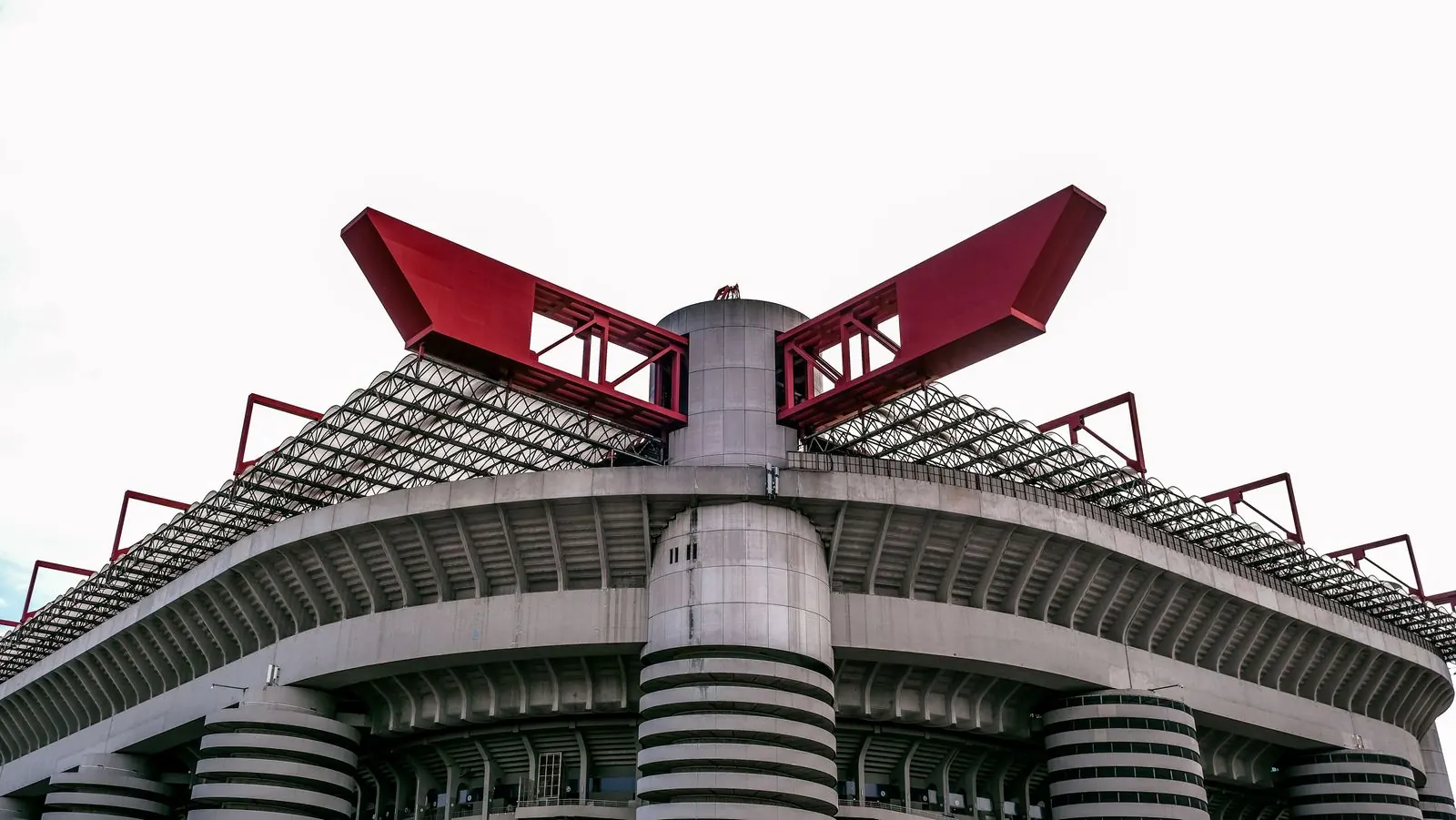
Milan is the only city in Europe where two major clubs share a single stadium outright — no ground-sharing arrangement, no away-team tenant, just one roof over two entirely separate footballing identities. AC Milan and Inter each treat San Siro as fully their own, on alternating weekends, and the one weekend a season they play each other there is the Derby della Madonnina — a fixture whose tickets are among the hardest in European football to get, in a stadium whose steep, close stands were built for exactly this kind of noise. This guide covers what you actually need to plan a visit: tickets, the stadium tour, where to sit, and how to get there without losing half a day to the crowd.
What Is the Derby della Madonnina?
The derby takes its name from La Madonnina, the golden statue of the Virgin Mary on top of the Duomo — a shared civic symbol for a match where almost nothing else is shared. AC Milan and Inter are both based in the same city, play in the same stadium, and have supported their rivalry for well over a century; the fixture is contested as fiercely as any derby in the sport.
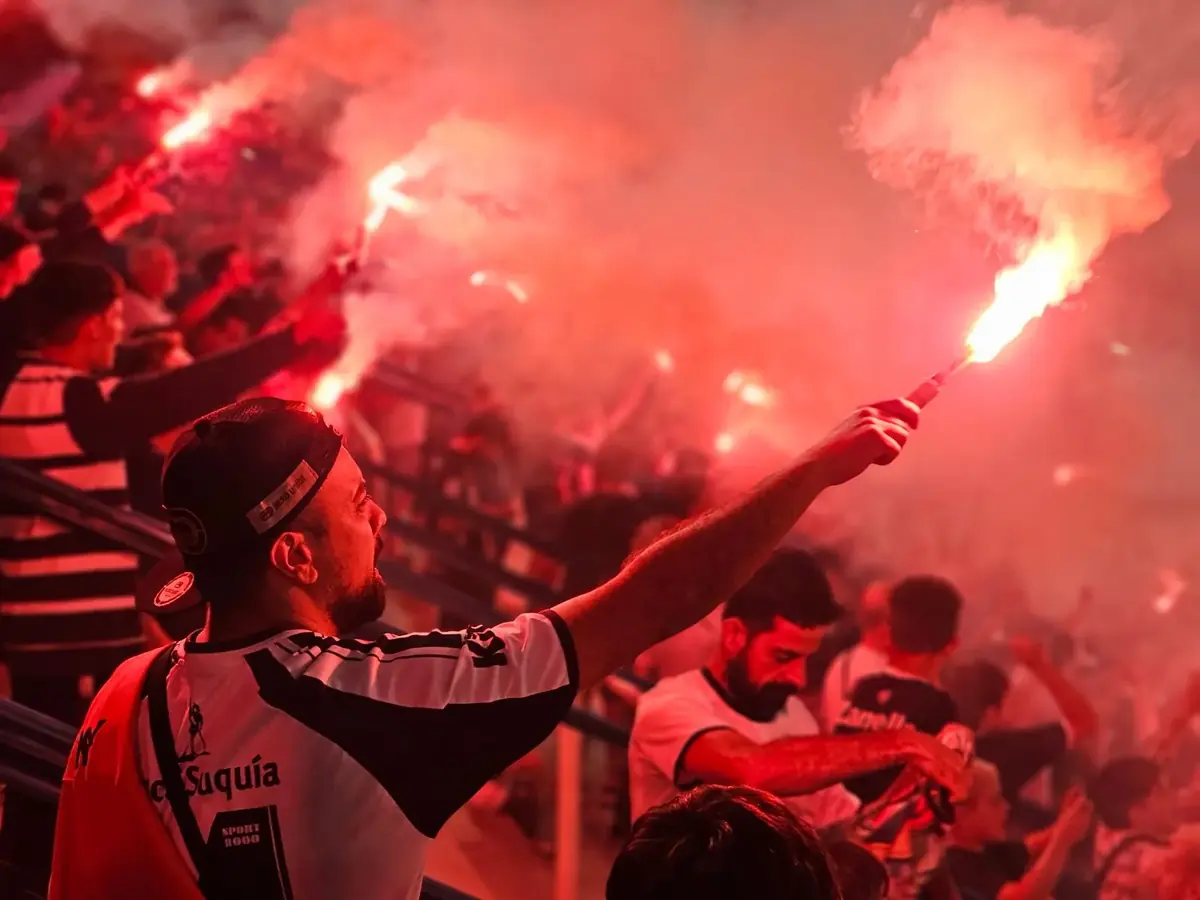
What makes it distinctive to watch is the stadium itself. San Siro's stands are steep and close to the pitch, built for sound rather than comfort, and a derby crowd — split between the Curva Sud (Milan) and Curva Nord (Inter) — uses every inch of that design. Tickets cost noticeably more than a normal fixture and sell through faster, so if a derby date falls inside your trip, this is not a buy-it-when-you-land match.
San Siro: Home of AC Milan and Inter
San Siro opened in 1926, built as AC Milan's own ground. Inter moved in permanently in 1947, having previously played at the Arena Civica in central Milan, and the arrangement has run ever since: home fixtures alternate between the two clubs roughly week to week, so on any given matchday the stadium belongs entirely to whichever side is playing — its own end, its own ultras, its own colours draped over the upper tier.
Officially, the ground has been Stadio Giuseppe Meazza since 1980, renamed for the Inter forward (who also played briefly for Milan) considered one of Italian football's early greats. Almost nobody uses that name day to day — both clubs' own websites refer to it as San Siro — but you'll see "Meazza" on older signage and in formal references.
A stadium with a sunset date
San Siro won't be AC Milan and Inter's home forever. In September 2025, Milan's city council approved the sale of the stadium and surrounding land to both clubs, clearing the way for a new stadium designed by Foster + Partners and MANICA on an adjacent site. The plan is to build the new ground first and only then demolish the current one — current reporting points to construction starting in the second half of 2027 and the old stadium coming down a few years after that, with both clubs aiming to have the new stadium ready in time for Euro 2032.
None of that affects a visit in the 2026/27 season: San Siro is open, hosting matches and tours as normal, and current timelines don't put it anywhere near closing. The one visible sign of what's coming is around the perimeter, where the stadium's historic ticket office was demolished in mid-2026 as preparatory work began — if you see construction fencing near the entrances, that's what it is, not an indication the stadium itself is going anywhere soon.
Milan Derby 2026/27
Serie A fixtures this season put the two Milan–Inter derbies at:
| Fixture | Date | Kickoff |
|---|---|---|
| AC Milan vs Inter | Saturday 31 October 2026 | 20:45 CET |
| Inter vs AC Milan | Mid-February 2027 (reported as either 13 or 14 February — confirm closer to the date) | To be confirmed |
Both are played at San Siro, since it's the home ground for both clubs. If the October date has already passed by the time you're reading this, the February fixture is the one to plan around — and a third derby is always possible if both clubs meet in a cup competition that season.
Kickoff times and exact dates for Serie A fixtures are typically only locked in a few weeks ahead of the round, so treat anything beyond the confirmed date above as provisional until the clubs publish it. Check acmilan.com or inter.it directly for the current status before booking travel around a specific derby date.
How to Buy Milan Derby Tickets
Buy only through the clubs' own channels: acmilan.com/tickets for AC Milan home games, inter.it/tickets for Inter's, both of which sell through TicketOne and Vivaticket as their official partners. There's no legitimate stadium box-office walk-up for a fixture like the derby — assume you need to buy online, in advance.
Membership and pre-sale. Both clubs run a membership card that unlocks earlier access to tickets before general sale opens: AC Milan's is called Cuore Rossonero, Inter's is Siamo Noi. For a high-demand fixture like the derby, members get first access in a phased pre-sale — typically club members, then season-ticket holders, then the wider public if anything remains — so the practical effect is that by the time general sale opens, categories are often thin. If the derby dates line up with your trip, start watching the club's ticketing page as soon as the fixture is confirmed, not the week before.
Identity requirements. Italian stadium tickets are typically issued against a specific name, and you'll need to show valid photo ID that matches the ticket at the gate. Some ticket types allow a one-time name change if plans fall through; check the exact terms at the point of purchase rather than assuming either way.
Avoid resale sites. Both clubs are explicit that tickets bought outside their official channels aren't guaranteed to work at the gate. Street resale around San Siro on matchday is common and not reliable — treat it as a way to lose money, not a backup plan.
Prices vary by category, fixture, and how early you buy, and we won't invent a number here — check current pricing directly on the club's ticketing site when you're ready to buy.
Where Should You Sit at San Siro?
- Curva Sud — AC Milan's end. Standing-style atmosphere, constant noise, chants led by the ultras. Buy here only if you're backing Milan and want to be in the middle of it.
- Curva Nord — Inter's equivalent. Same intensity, opposite colours. Same rule: this is a committed-supporter section, not a neutral vantage point.
- Tribuna — the long side, typically the most expensive category, with the best overall sightline across the pitch and a calmer crowd.
- Distinti — the other long side, usually a step down in price from Tribuna, still a good, comfortable view.
For a first visit, a neutral tourist, or anyone bringing children, Tribuna or Distinti is the better call — you get a proper view without sitting inside either club's most committed support, and you avoid any risk of wearing the "wrong" colours in the "wrong" end. Save a curva ticket for when you've picked a side.
San Siro Stadium Tour
On non-match days, San Siro runs a self-paced museum and stadium tour through the official operator at sansirostadium.com. It covers the San Siro Museum (trophies and shirts from both clubs, displayed side by side — a pairing that wouldn't happen almost anywhere else in football), the home and away dressing rooms, and the pitch-side tunnel. Signage and staff are set up for English-speaking visitors.
Worth it if you have any real interest in either club or in football generally — seeing both sets of trophies in one room is a genuinely unusual sight. Skip it if football isn't a draw for you at all: there's no separate architectural or cultural reason to visit beyond the two clubs' history, so without that interest the tour has little to offer.
Book ahead through the official site rather than assuming you can turn up. Secondary sources (not the operator's own site, which wasn't reachable to confirm this directly) consistently report that the tour doesn't run at all on matchdays, with normal hours of 9:30–19:00 and last entry at 18:15 on days without a game. Treat that as a strong rule of thumb rather than a confirmed guarantee, and if you want to combine a tour with watching a match, do them on different days and check current hours with the tour provider before you travel.
How to Get to San Siro
San Siro sits west of the centre. Two metro routes get you there:
- M5 (lilac line) to San Siro Stadio — the purpose-built stop, closest to the gates.
- M1 (red line) to Lotto, then a short walk or tram — the older route, still widely used.
From the Duomo or Milano Centrale, that's a straightforward cross-city metro trip on a normal day; on a matchday, budget noticeably more time than the journey alone takes, for the reasons in the next section.
On matchday evenings, go with the crowd rather than against it on the way out — the platforms nearest the ground fill up fast after the final whistle, and at Lotto, the connecting corridor between the M1 and M5 lines is sometimes closed off during the heaviest fan movement, which means exiting one line's gates and re-entering the other's on the same ticket. For everything else about getting around the city day to day, see our Milan transport guide.
What Time Should You Arrive?
There's no single reliable number here, and we're not going to invent one — but a derby, specifically, needs more buffer than an ordinary fixture, for a few compounding reasons: heavier security and ID checks at the gates, a bigger crowd converging on the same two metro routes, and ticket checks that take longer when every turnstile is busy at once. AC Milan's own stadium guidance suggests allowing up to around 35 minutes just to get from the stadium perimeter to your actual turnstile on a busy day — treat that as a floor, not a target, for a derby.
Arriving an hour or more before kickoff for a normal fixture, and earlier still for the derby, is the safer habit. Gates for evening matches are commonly open from around 19:00.
San Siro Matchday: What to Expect
Your ticket shows a specific entrance gate — that's the one you use, confirmed by the light panels mounted next to each gate as you approach. Before leaving your hotel, check which gate is printed on your ticket; arriving at the wrong one late in the build-up to kickoff is a genuinely bad time to discover the mistake.
At the gate, you'll show both your ticket and valid photo ID, and your bag will be searched. The two supporter ends are physically separated from each other and from the neutral sides, and stewards manage the flow in and out of each section separately — don't expect to move freely between stands once you're inside.
Leaving afterwards is the slow part, not the arriving: expect the exit and the surrounding metro stations to be genuinely crowded for a derby, and plan to either move with that crowd or wait it out for a while before heading for the platform.
What Can You Bring Into San Siro?
Based on AC Milan's published stadium regulations — which, as the shared ground, set the practical baseline for matches played there regardless of which club is hosting:
- Bags up to A4 size are allowed in and will be searched at the gate.
- There is no cloakroom or bag storage at the stadium — anything bigger than that, you simply can't bring, so plan accordingly rather than arriving with a day bag you'll need to offload.
- Valid photo ID is required alongside your ticket at the pre-filtering gates.
Entry rules and any current exceptions can vary by match and event, so it's worth a quick check of the current regulations on the relevant club's site before you travel if you're bringing anything you're unsure about.
San Siro for First-Time Visitors
Before you leave for the stadium:
- Have your ticket downloaded and accessible without needing data or wifi to load it
- Check which entrance gate is printed on your ticket
- Check your metro route and allow extra time on matchday
- Bring valid photo ID that matches the name on the ticket
- Pack light — A4-size bag or smaller, since there's no cloakroom
- Avoid wearing the rival team's colours if you're sitting in either curva
Is San Siro Safe?
Yes, in the way any major European stadium hosting a high-profile match is safe: with the normal precautions that apply at any big, crowded event, not special derby-specific risk. Keep valuables secure and on you rather than in an outer pocket, follow steward instructions without arguing the point, and stay within the section printed on your ticket rather than trying to move into a friend's seat in a different stand. The supporter-separation measures described above exist precisely so that, inside the ground, you're never near a crowd with opposing colours whose temperature you can't read.
The one thing worth being deliberate about is neutral clothing if you're not backing either side — showing up in the "wrong" team's colours in the "wrong" end is, at minimum, an invitation to a conversation you didn't ask for.
Best Things to Do Near San Siro
Honestly: not much, and we're not going to pad this out with filler. San Siro sits in a largely residential part of west Milan, built around the stadium rather than around a neighbourhood with its own pull. The closest genuinely worthwhile detour is CityLife — a few stops away on the same M5 line — with its three architect-designed towers, a large car-free park, and a shopping district at street level, good for filling the hours either side of a match without a special trip across town. Beyond that, treat San Siro as a dedicated half-day (or match evening) on its own terms, not a stop on the way to somewhere else, and plan your sightseeing for the rest of your Milan day separately — see our one-day Milan itinerary for how to structure the rest of a visit.
Checking what else is on while you're in the city? Our Milan events page tracks upcoming AC Milan and Inter fixtures beyond the derby, alongside the city's other live sport, theatre, and concerts.
In pictures
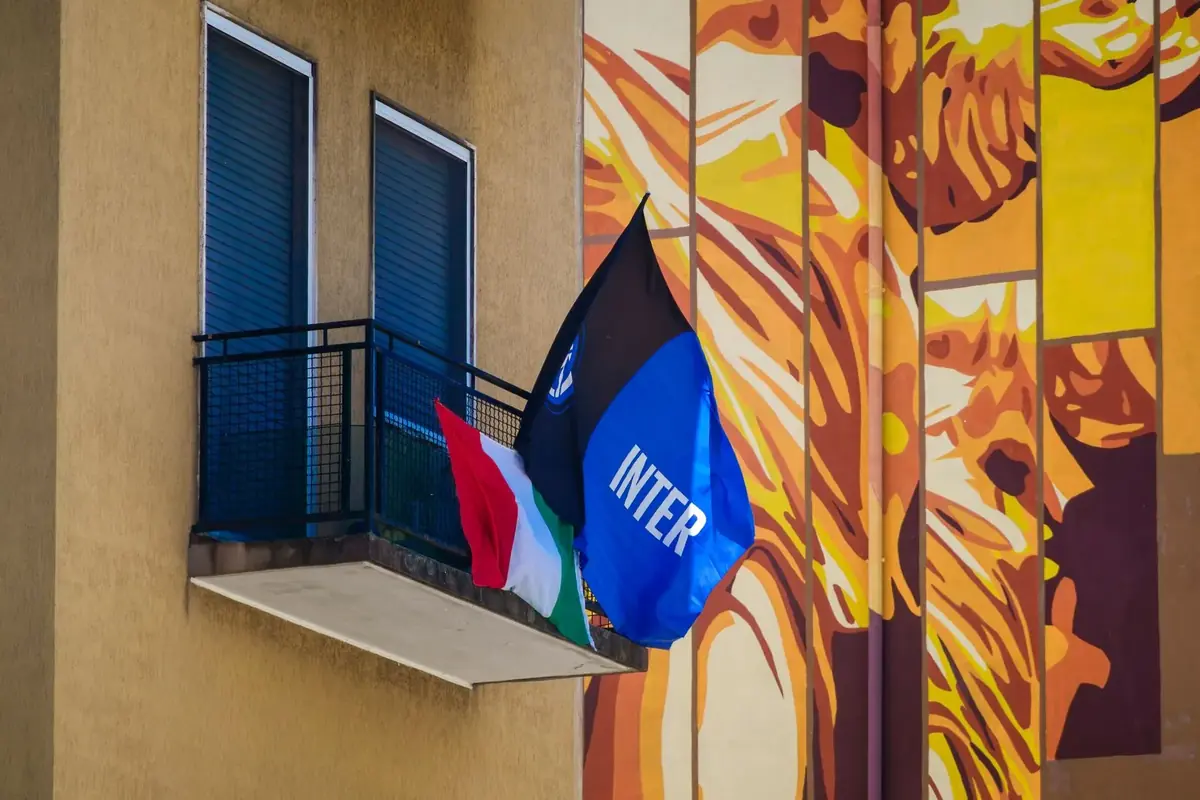
Book This Experience
Vetted options across every price point and travel style.
Frequently Asked Questions
Is San Siro the same as Stadio Giuseppe Meazza?
Yes. The ground was renamed Stadio Giuseppe Meazza in 1980, after the Inter great who also played for Milan. "San Siro" — the name of the surrounding neighbourhood — is what everyone actually calls it, including both clubs.
Can tourists visit San Siro?
Yes, on non-match days, through the official San Siro Museum and Stadium Tour. It covers the museum, the dressing rooms, and the pitch-side tunnel, and runs independently of whether either club is playing that week.
Can I take a stadium tour on matchday?
Not reliably. The tour doesn't run at all on matchdays themselves according to secondary sources (the operator's own site wasn't reachable to confirm directly), and non-match hours are commonly reported as 9:30–19:00 with last entry at 18:15 — treat that as a strong rule of thumb rather than a guarantee. If you want both a tour and a match on the same trip, book the tour for a different day and confirm current hours directly with the tour provider before you travel.
How do I get to San Siro from Milan city centre?
The M5 line runs directly to San Siro Stadio station, a short walk from the gates. The older alternative is the M1 to Lotto, then a walk or short tram ride. Either way, allow more time on a matchday than the journey normally takes.
Which metro stop is San Siro?
San Siro Stadio, on the M5 (lilac) line. M1's Lotto station, a few minutes further on foot, is the long-standing alternative.
Where do AC Milan fans sit?
The Curva Sud. Inter's end is the Curva Nord. If you're neutral, a Tribuna or Distinti ticket keeps you out of either end and gives a calmer view.
Is San Siro suitable for families?
A Tribuna or Distinti seat away from the two curve ends is the more comfortable choice for families or anyone attending their first match — the curves are built for noise and standing-style support, not a relaxed watch.
Can I buy Milan derby tickets at the stadium?
Don't plan around it. Derby tickets go through phased online pre-sale — season-ticket holders and club members first, general sale after — and high demand means they're unlikely to still be available as a walk-up purchase on the day.