The Museo del Cenacolo Vinciano: Visiting Leonardo's Last Supper
What the Last Supper museum in Santa Maria delle Grazie actually is, how the booking system works, and what you see in your 15 minutes inside.
Editorial guide · Updated 2026-11-02
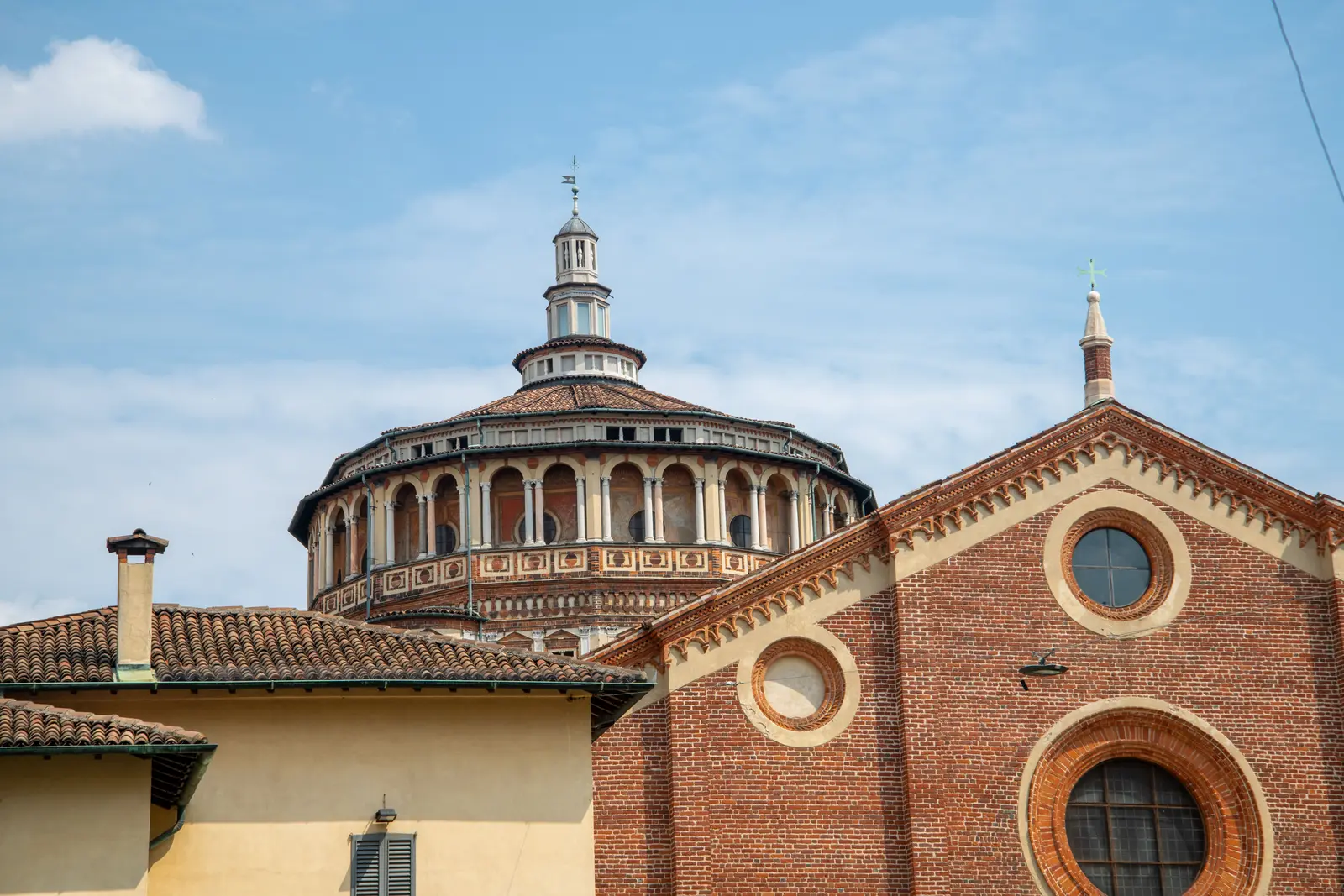
The Museo del Cenacolo Vinciano is the official museum built around Leonardo da Vinci's Last Supper, painted directly onto a wall of the former refectory at Santa Maria delle Grazie. You book a timed slot, get 15 minutes in the room, and leave. This guide covers what the painting actually is and what the visit involves. For a detailed comparison of ticket platforms and how far ahead to book, see our separate Last Supper and Duomo ticket guide.
The Practical Details
Leonardo painted the Last Supper between 1494 and 1497 or 1498, commissioned by Ludovico il Moro, on the wall of the refectory used by the Dominican friars of Santa Maria delle Grazie. He used a dry technique, painting onto two layers of gesso rather than true fresco. This let him rework details as he worked, but it also made the painting unstable, and it began deteriorating within his own lifetime.
Opening hours: Tuesday to Sunday, 8:15 to 19:00, with last entry at 18:45. Closed Mondays.
Booking: Mandatory for every visitor, every ticket type. There is no walk-in entry and no standby queue. The official booking channel is linked from the museum's own site, cenacolovinciano.org, and sells through Vivaticket. Tickets are released in quarterly batches rather than a continuous rolling calendar, so a specific date can sell out well before your trip if you wait.
Visit format: Groups of up to 40 people enter together, with 15 minutes inside the room.
Getting there: The museum is in Piazza Santa Maria delle Grazie. The nearest metro stops are Conciliazione and Cadorna, both on line M1.
Accessibility: Not confirmed from an official source for this guide. Check directly with the museum if this affects your visit.
What You're Actually Looking At
The painting shows the moment Jesus tells the apostles that one of them will betray him, and the reactions ripple down the table in both directions from his position at the centre. Leonardo used a vanishing point directly behind Christ's head, so the room's painted architecture draws your eye there regardless of where you stand. Judas is identifiable without a label: he leans away from the table, in shadow, with a spilled salt cellar near his elbow.
What survives today is the result of a 21-year restoration completed in 1999, which removed centuries of overpainting and stabilised what was left of Leonardo's original surface. Large sections are lost. What remains is still enough to see the composition and the individual reactions clearly.
The Room Itself
The refectory is kept under tight climate control to protect the painting, which is part of why entry is limited to small, timed groups. Visitors pass through a series of airlock-style chambers before reaching the room, a deliberate part of the conservation system rather than security theatre. Once inside, the 15 minutes go quickly. Most visitors spend it moving between a few vantage points rather than standing still in one spot.
Pairing this with the Duomo on the same day is the standard move, and most visitors do. See our Last Supper and Duomo ticket guide for how to book both together, our Milan Duomo guide for the cathedral itself, and our one-day Milan itinerary for how to structure the rest of the day around it.
In pictures
Frequently Asked Questions
Is the Museo del Cenacolo Vinciano the same thing as the Last Supper?
Yes. The Museo del Cenacolo Vinciano is the official name of the museum housing Leonardo da Vinci's Last Supper, painted directly onto the refectory wall of the Santa Maria delle Grazie convent.
How do I book tickets for the Last Supper?
Through the official channel linked from the museum's own site, cenacolovinciano.org, which sells via Vivaticket. Booking is mandatory for every ticket type; there is no walk-in entry. For a full comparison of booking platforms and how far ahead to act, see our dedicated booking guide.
How long do you get to see the Last Supper?
15 minutes per visit slot, for conservation reasons, in groups of up to 40 people.
Is the Last Supper a fresco?
No. Leonardo painted it using a dry technique (a secco) on two layers of gesso, rather than true fresco, which allowed him to rework details but made the painting far less stable over time.
What day is the Cenacolo Vinciano closed?
Monday. It's open Tuesday to Sunday, 8:15 to 19:00, with last entry at 18:45.