VIERTEL
Stadtzentrum (Dom/Galleria)
Grandios, historisch
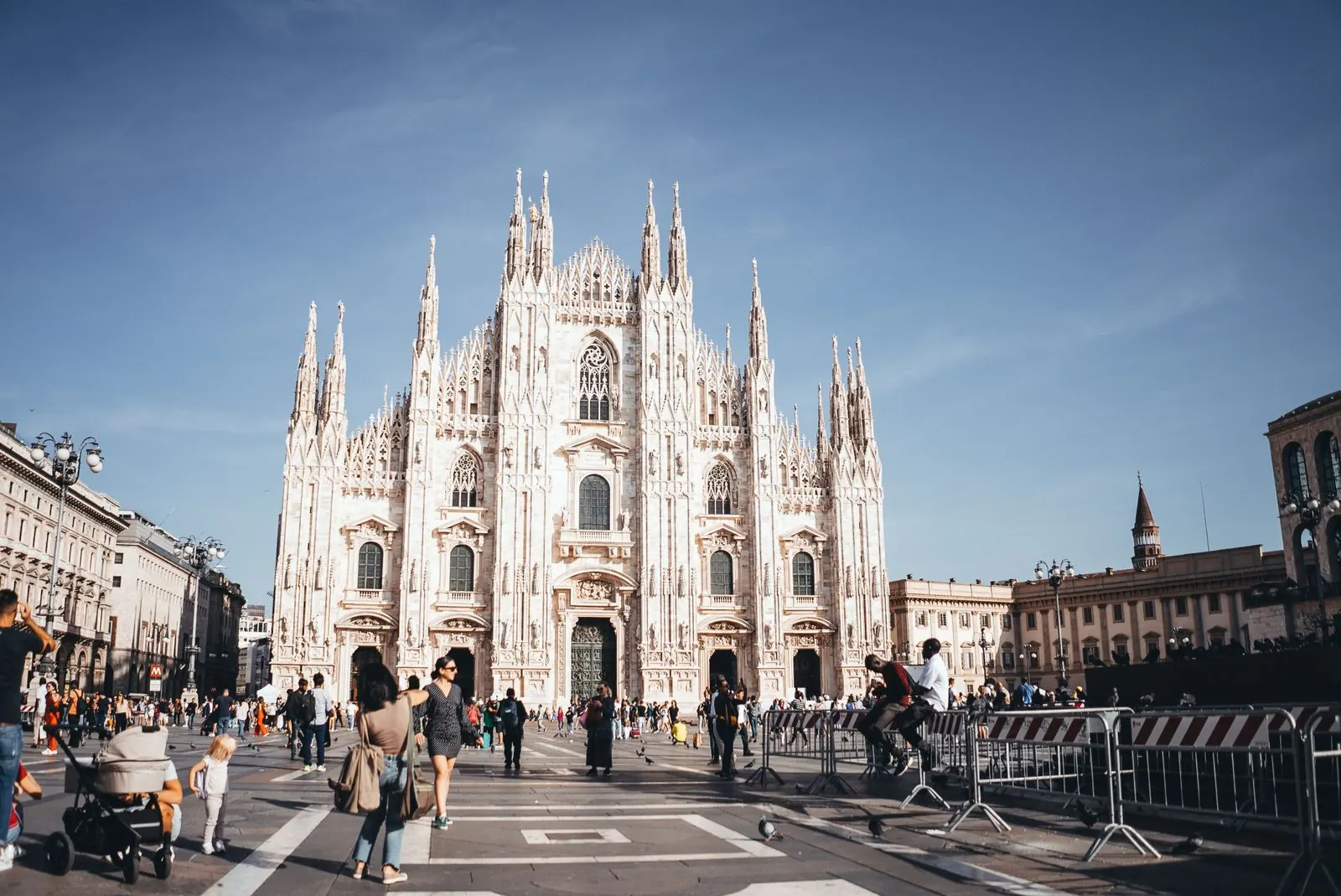
Das geographische und symbolische Herz Mailands – der Dom, die Galleria Vittorio Emanuele II, das Teatro alla Scala und das Castello Sforzesco.
Tagesausflüge von Mailand
Lake Como · Bergamo · Franciacorta · Monza
Erlebnisse buchen oder ein Auto für den Tag mieten.
Stadtzentrum (Dom/Galleria)
Hier planen →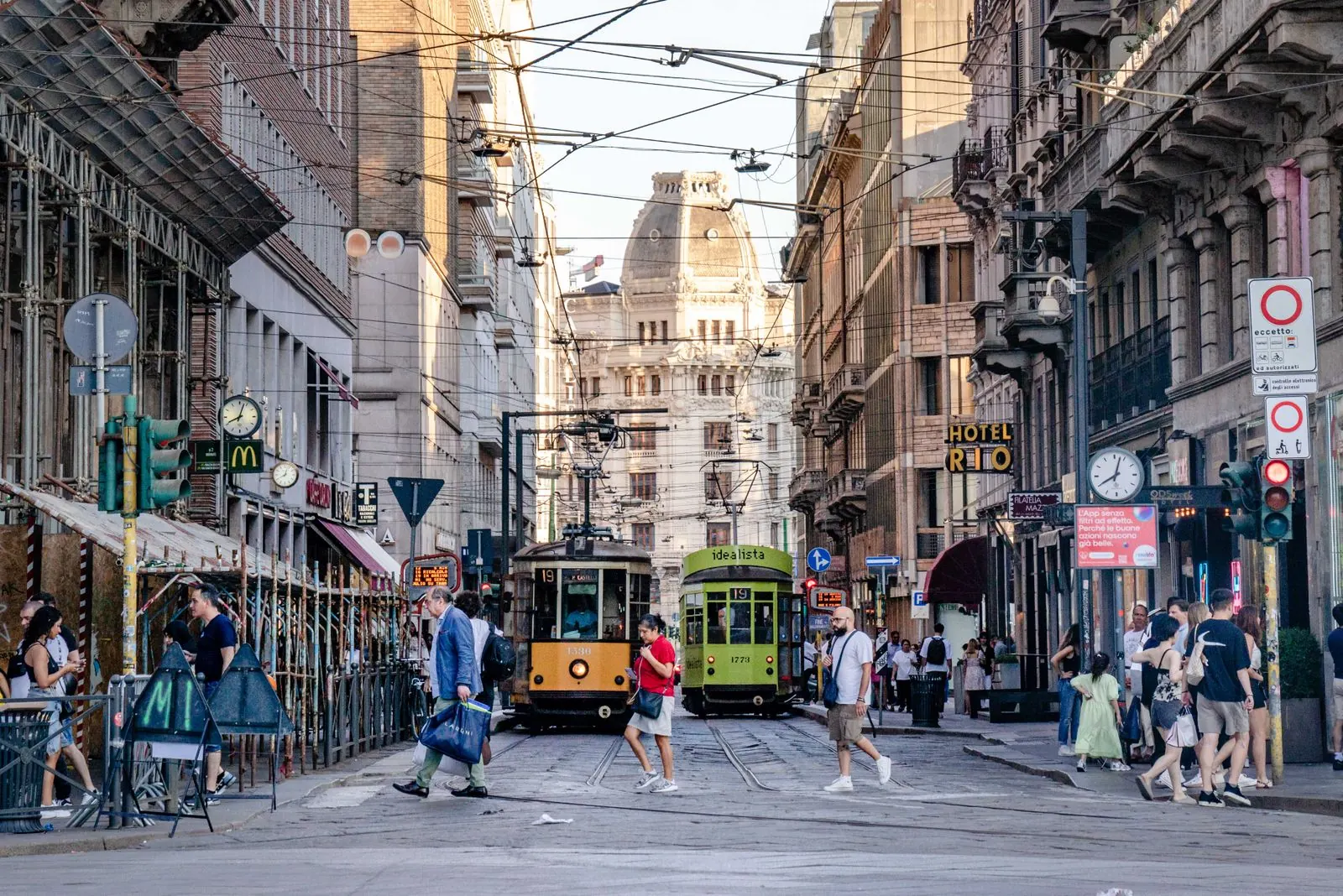
Langosteria
Milan's finest seafood restaurant — raw bar, oysters flown in daily, and a crudo menu that sets the benchmark for the city. The place fashion designers go after the shows. Book months ahead for dinner.
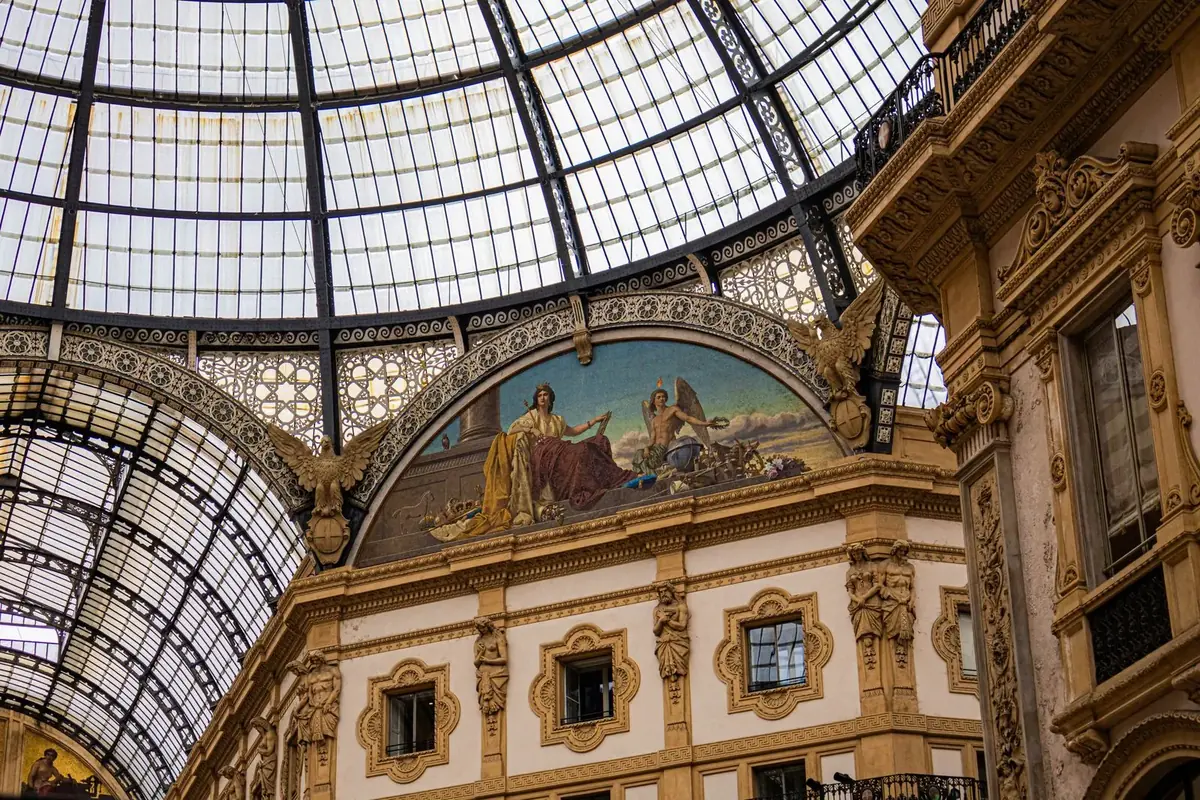
Cracco in Galleria
Carlo Cracco's flagship inside the Galleria Vittorio Emanuele II — contemporary Italian tasting menus in one of the world's most beautiful buildings. The risotto with gold leaf is justified.
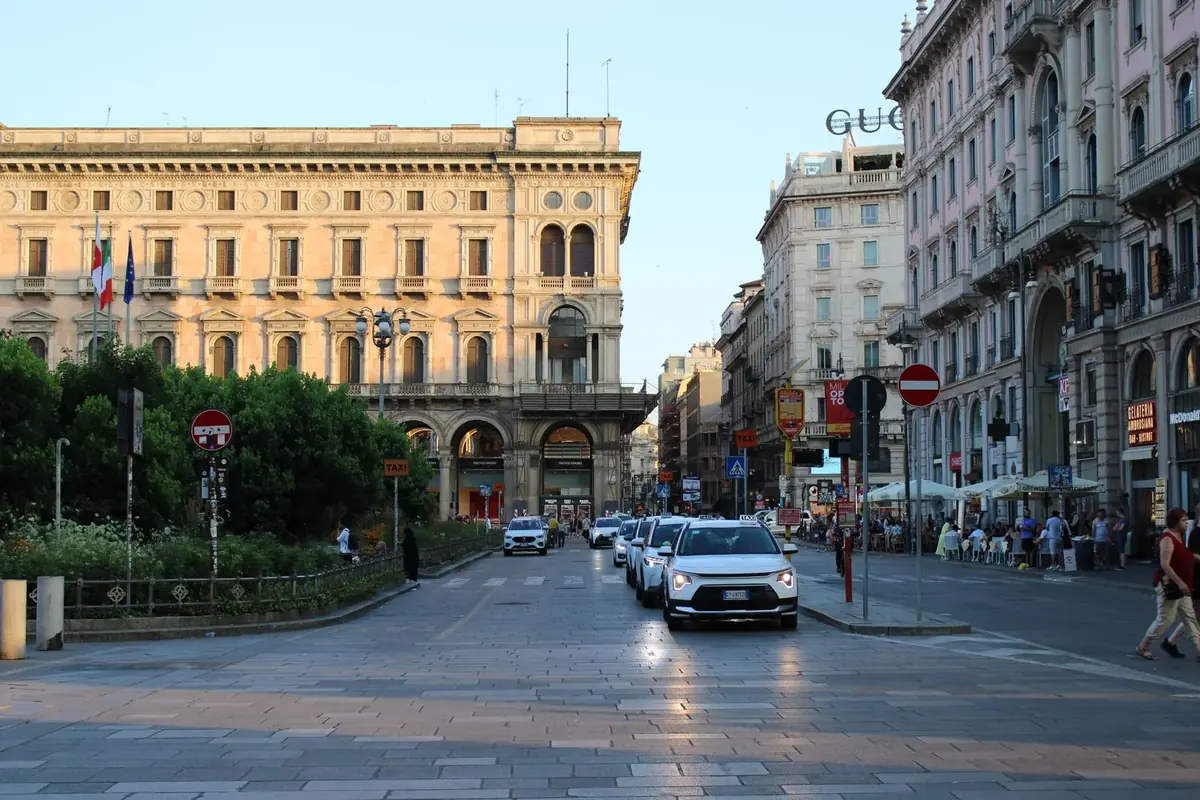
Straf Bar & Bistro
The city-centre aperitivo bar that does it properly — house-made antipasto, serious cocktails, and a crowd that's half fashion industry, half finance. The negroni sbagliato here is definitive.
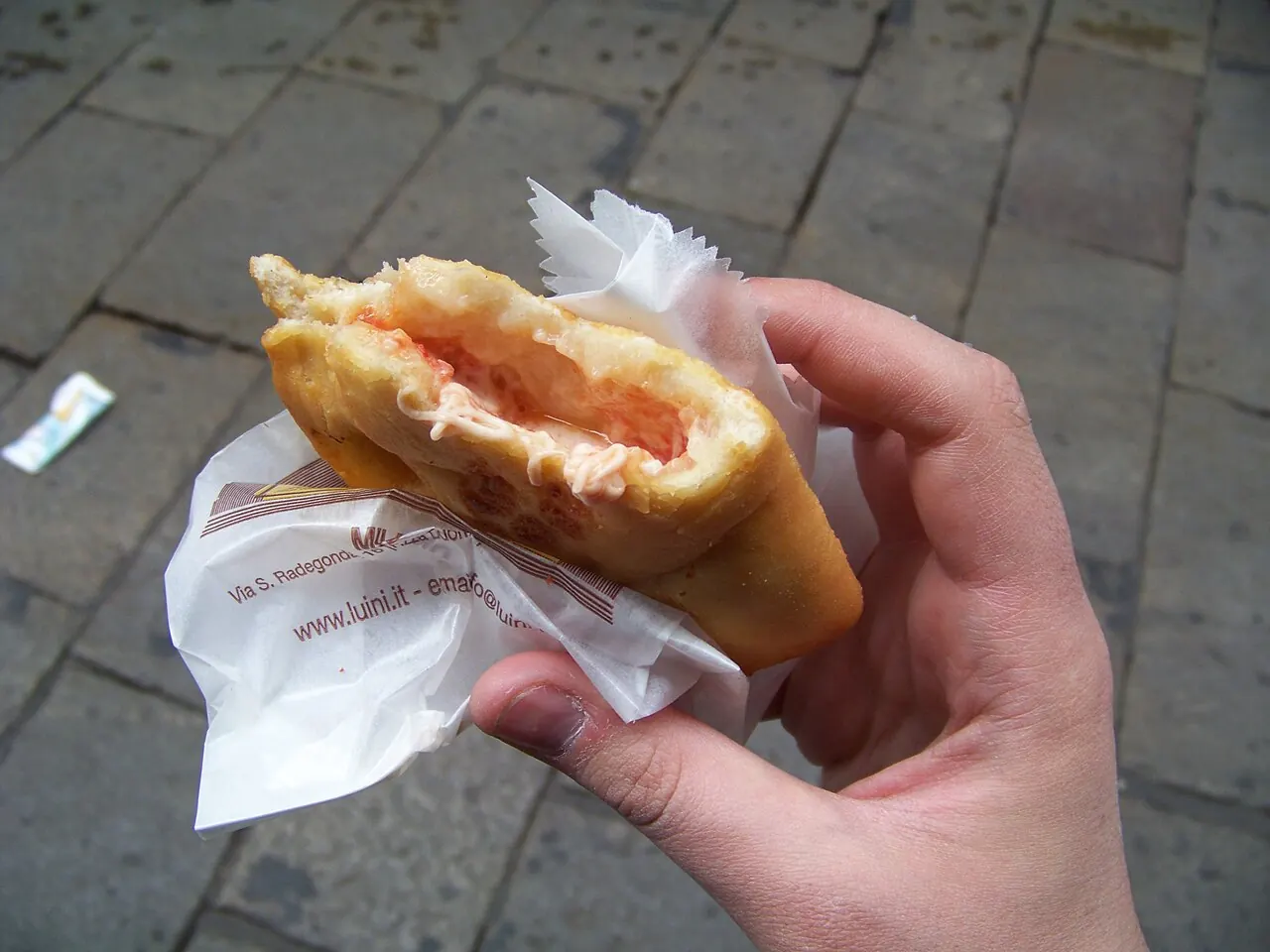
Luini Panzerotti
Since 1949, the only correct answer to what to eat in the Duomo area. Fried dough pockets stuffed with mozzarella and tomato, eaten standing on the pavement. Milan's great street food that no tourist guide properly explains.
Museo del Novecento
20th-century Italian art in the Palazzo dell'Arengario, directly overlooking the Duomo. The permanent collection includes Boccioni, Modigliani, and De Chirico — and the views from the top floor are unsurpassed.
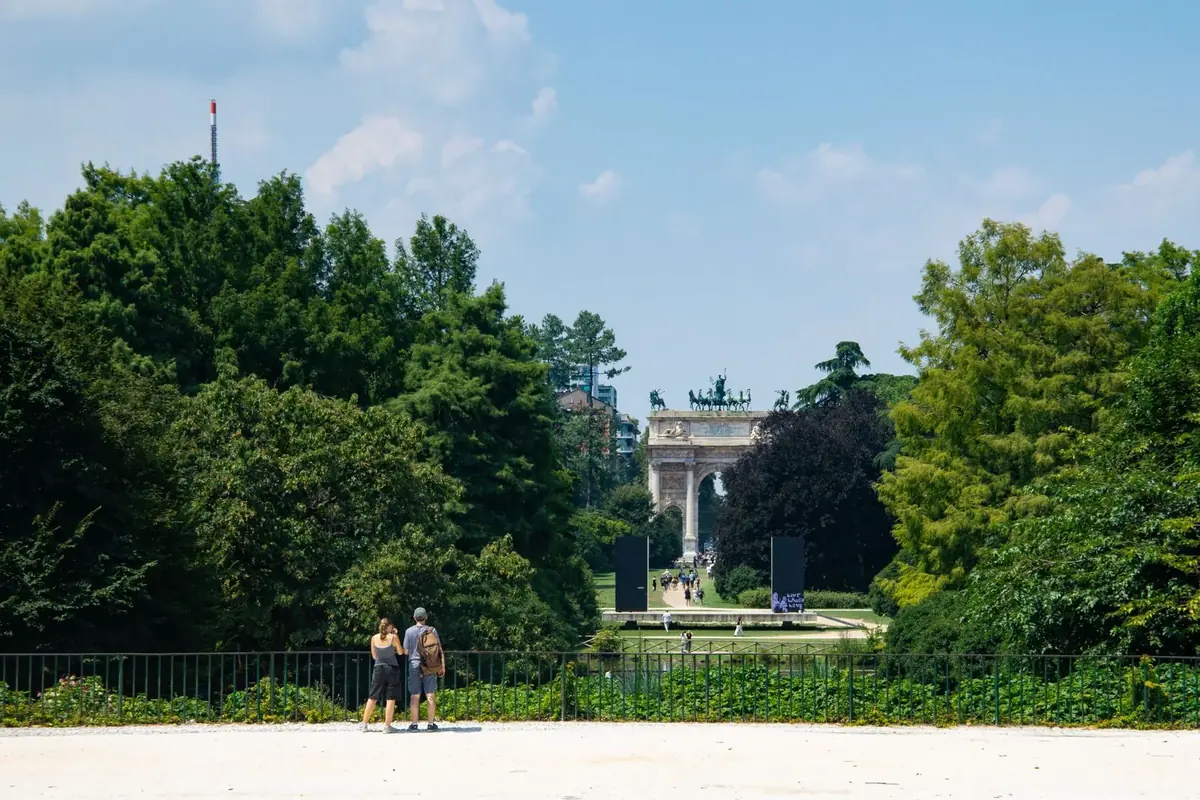
Triennale di Milano
Italy's museum of design, fashion, and applied arts in a 1930s Giovanni Muzio building in Parco Sempione. The temporary shows on industrial design, architecture, and contemporary fashion are always worth a visit.
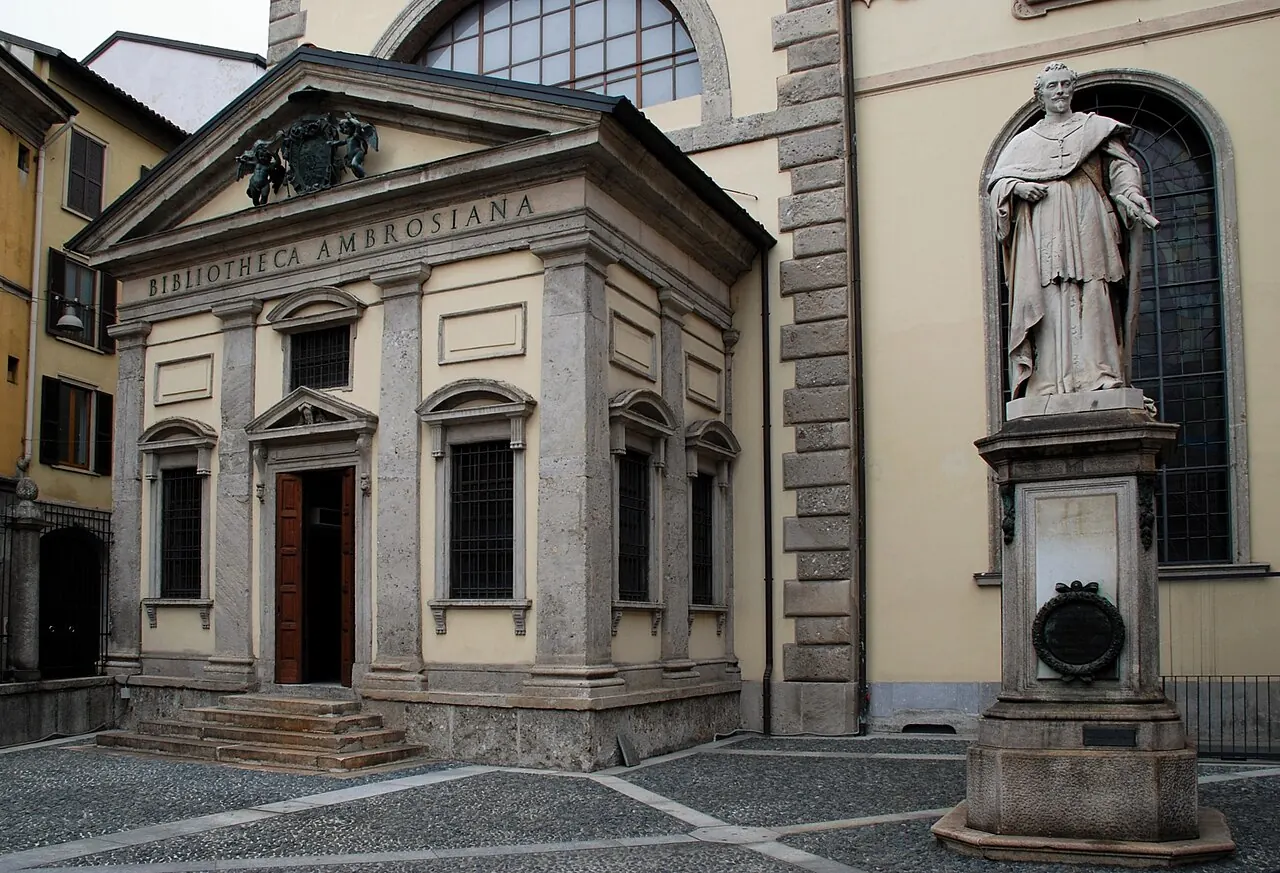
Pinacoteca Ambrosiana
One of the world's oldest public libraries plus a painting gallery with Leonardo's Portrait of a Musician, Raphael's cartoon for the School of Athens, and Caravaggio's Basket of Fruit.
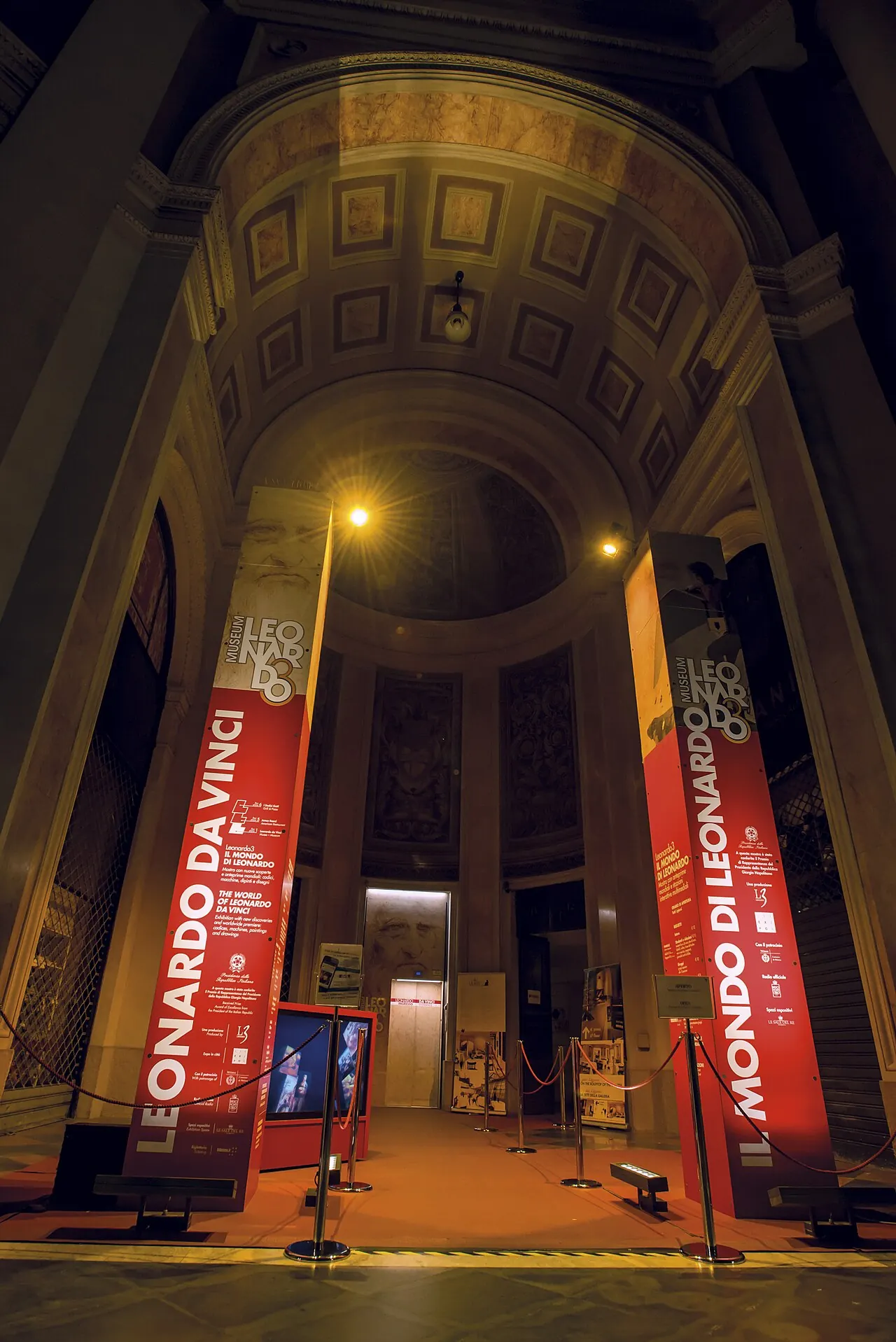
Leonardo3 Museum
The world's largest collection of Leonardo da Vinci's machines — over 200 reconstructions built from his original codices, from flying machines and armoured vehicles to hydraulic pumps and musical instruments. Interactive and tactile, unlike any conventional art museum.
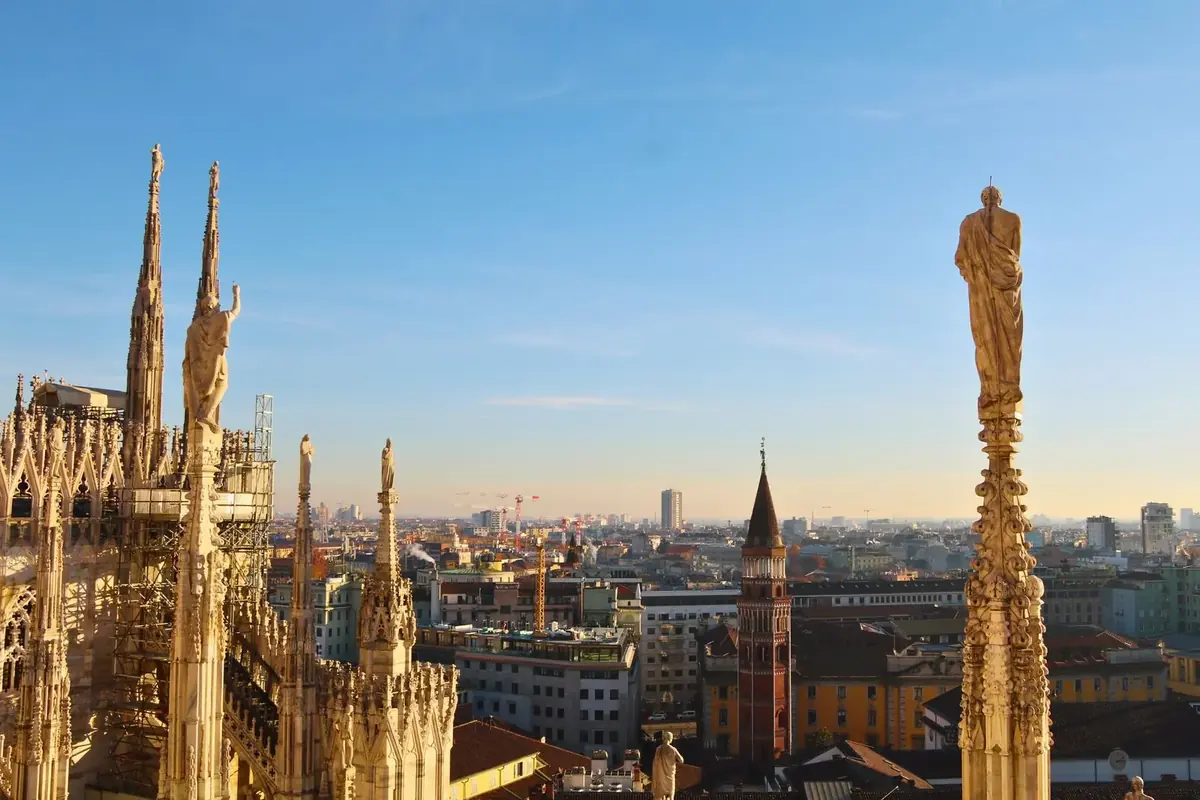
Duomo Rooftop Walk
Walk among the Gothic spires of Milan's cathedral for 360-degree views across the city to the Alps. The most spectacular urban rooftop experience in Italy — book the stairs for the full dramatic ascent.
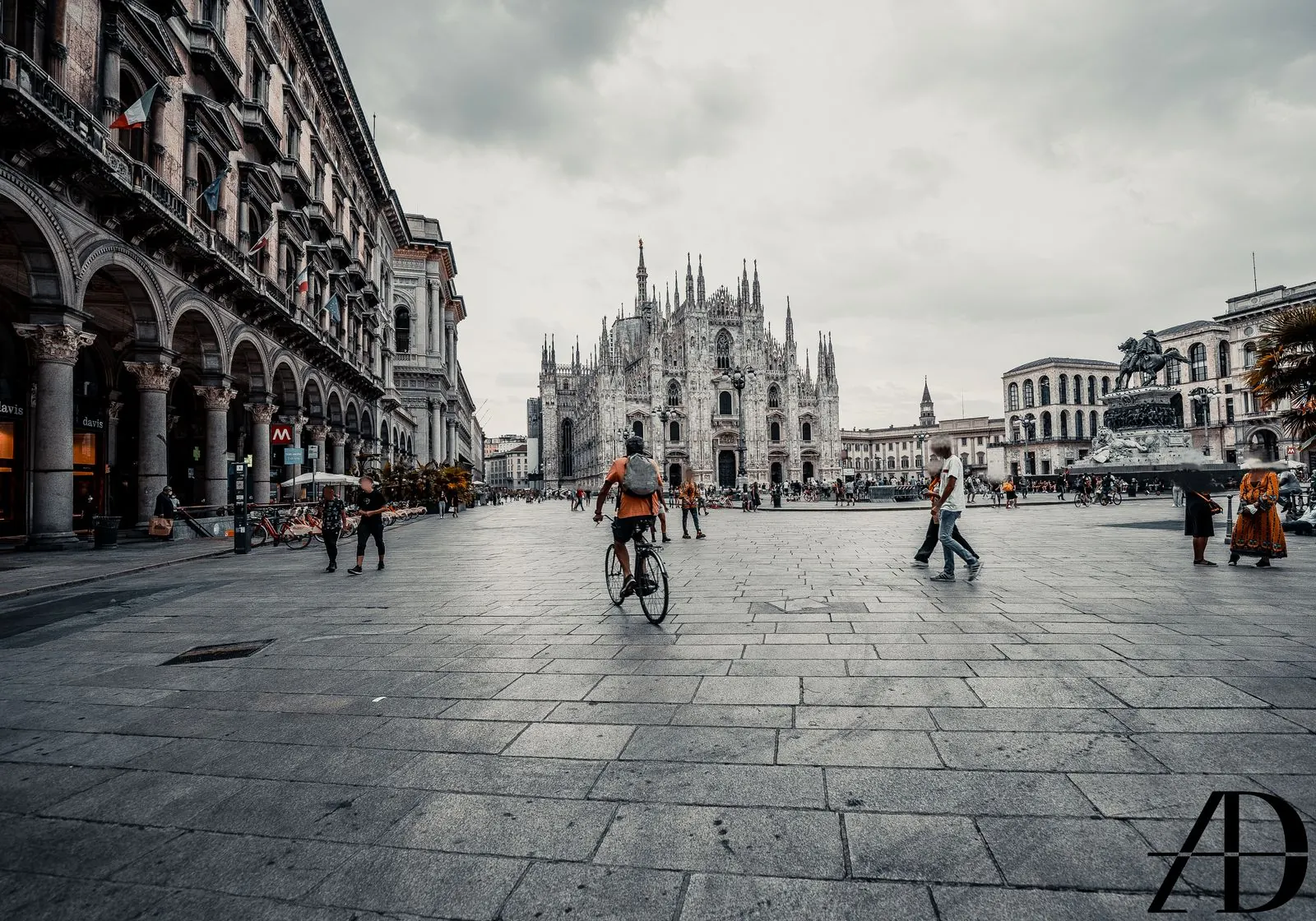
Milan by Bike
The flat streets of Milan's historic centre, the Navigli canals, and the parks of Porta Nuova — all best seen on two wheels. A local guide takes you through the city at the pace Milanese actually use.
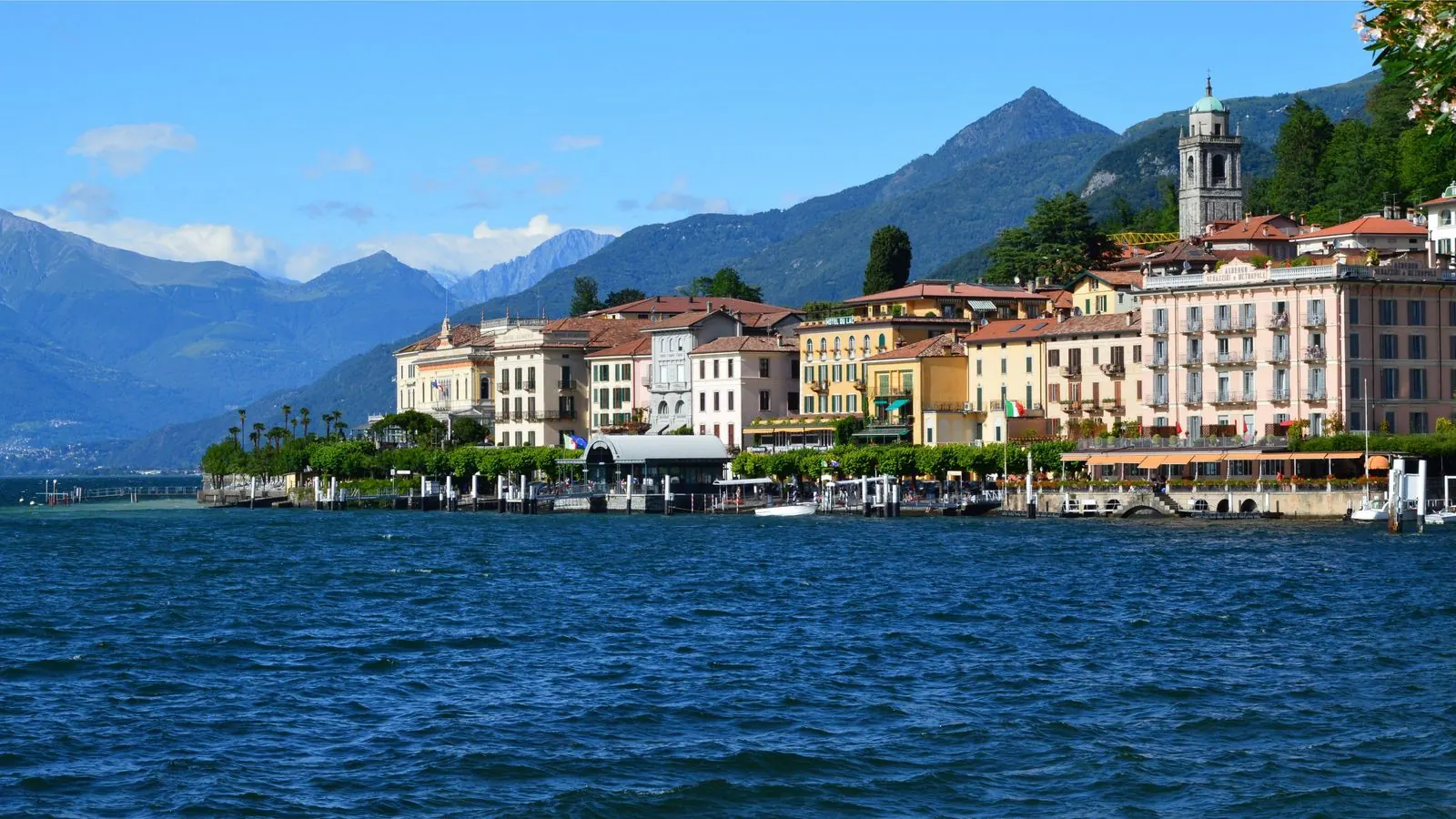
Lake Como Day Trip
Forty minutes by train and you're on the most beautiful lake in Italy. Bellagio, Villa del Balbianello, the ferry between villages — this is the classic Milan day trip, and it genuinely lives up to the reputation.
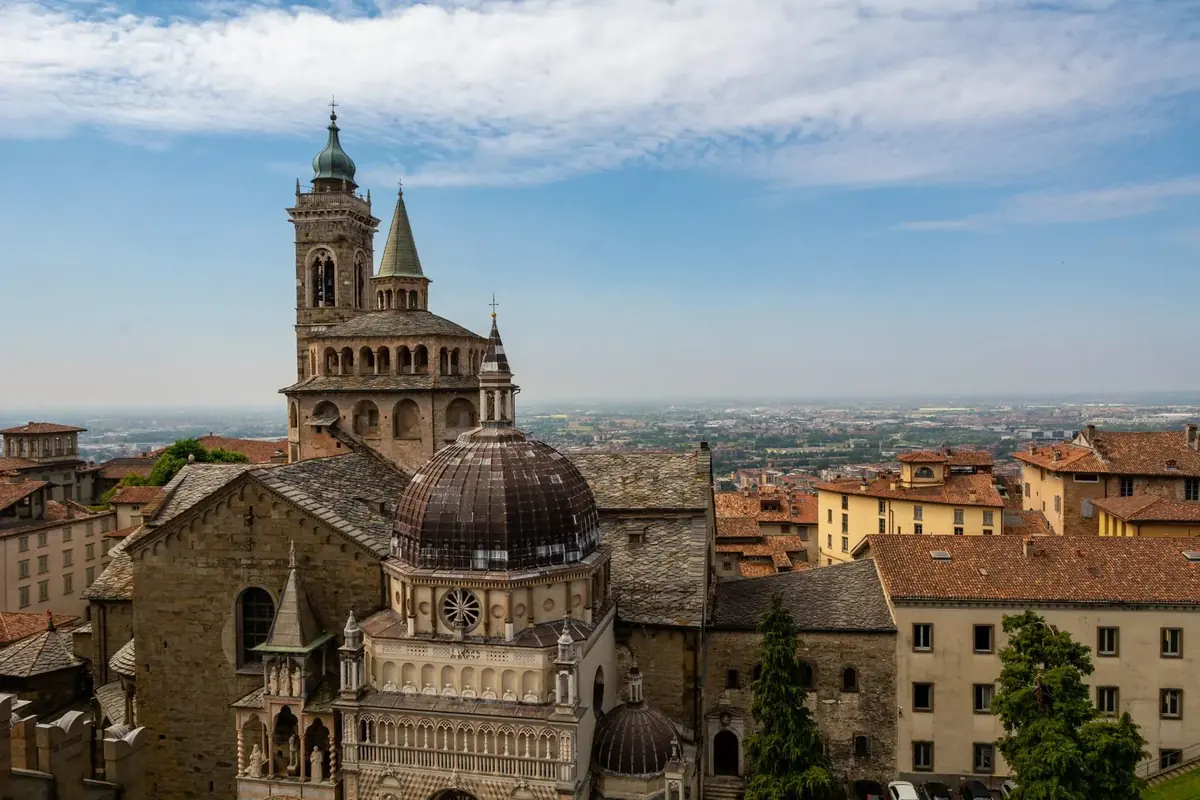
Bergamo Day Trip
Ride from Milan to Bergamo's walled Città Alta for Piazza Vecchia, the Basilica di Santa Maria Maggiore, Venetian walls, and wide views across Lombardy. Pair it with Franciacorta if you want a full guided day.
Milan Hop-on Hop-off Bus
The fastest way to tick off Milan's spread-out highlights without burning through metro rides. Two loops cover the Duomo, Castello Sforzesco, Navigli, and Porta Nuova — hop off, explore, reboard at will. Handy orientation tool for first-time visitors.
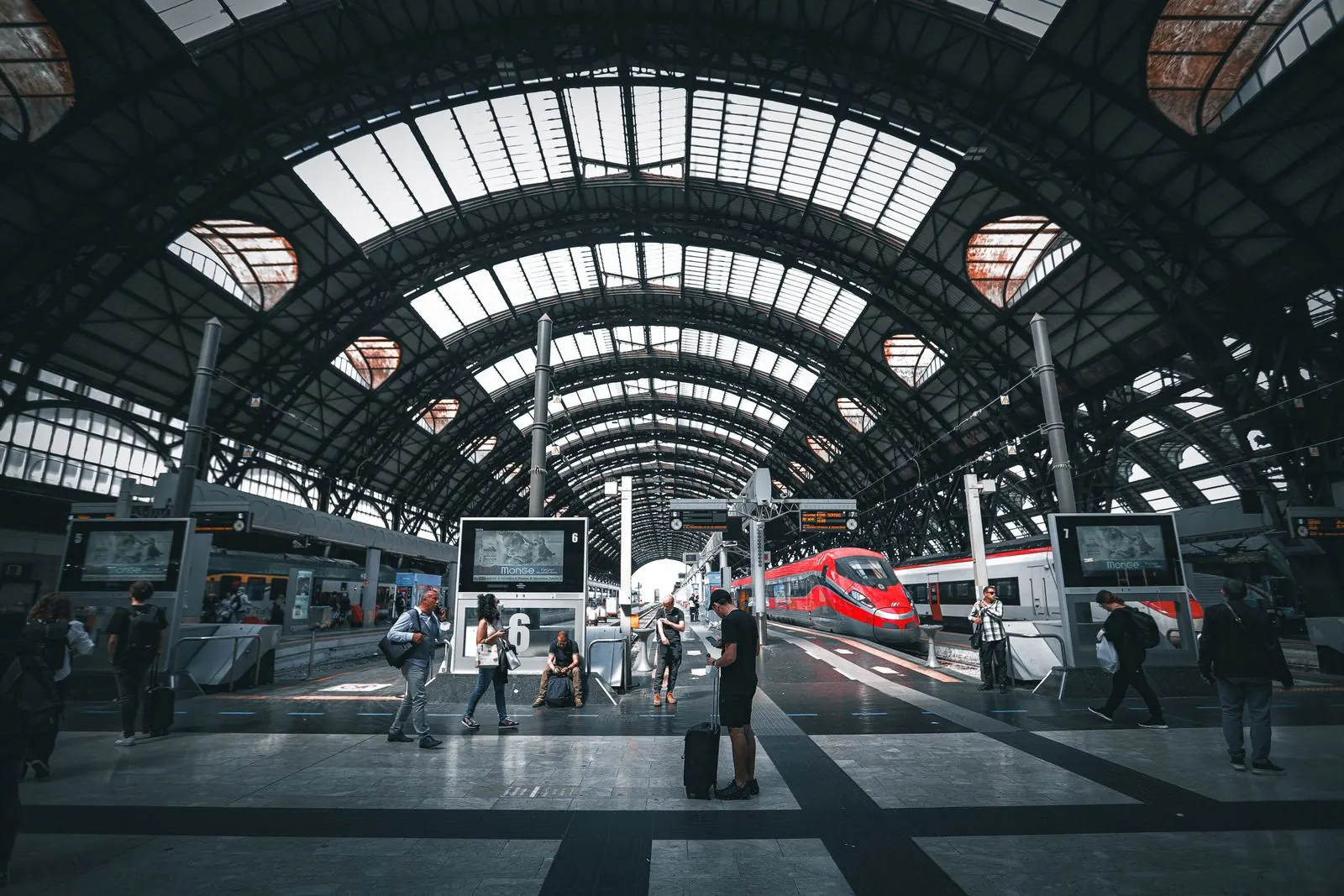
Tunnel
An abandoned railway tunnel converted into Milan's most respected techno club — concrete walls, serious sound system, and a crowd that is there specifically to dance. Arrive after 02:00.
Duomo di Milano
The most theatrical Gothic cathedral in Europe — 135 spires, 3,400 statues, and a roof you can walk across for views across the Lombardy plain to the Alps. Five centuries in the building; still the centre of everything.
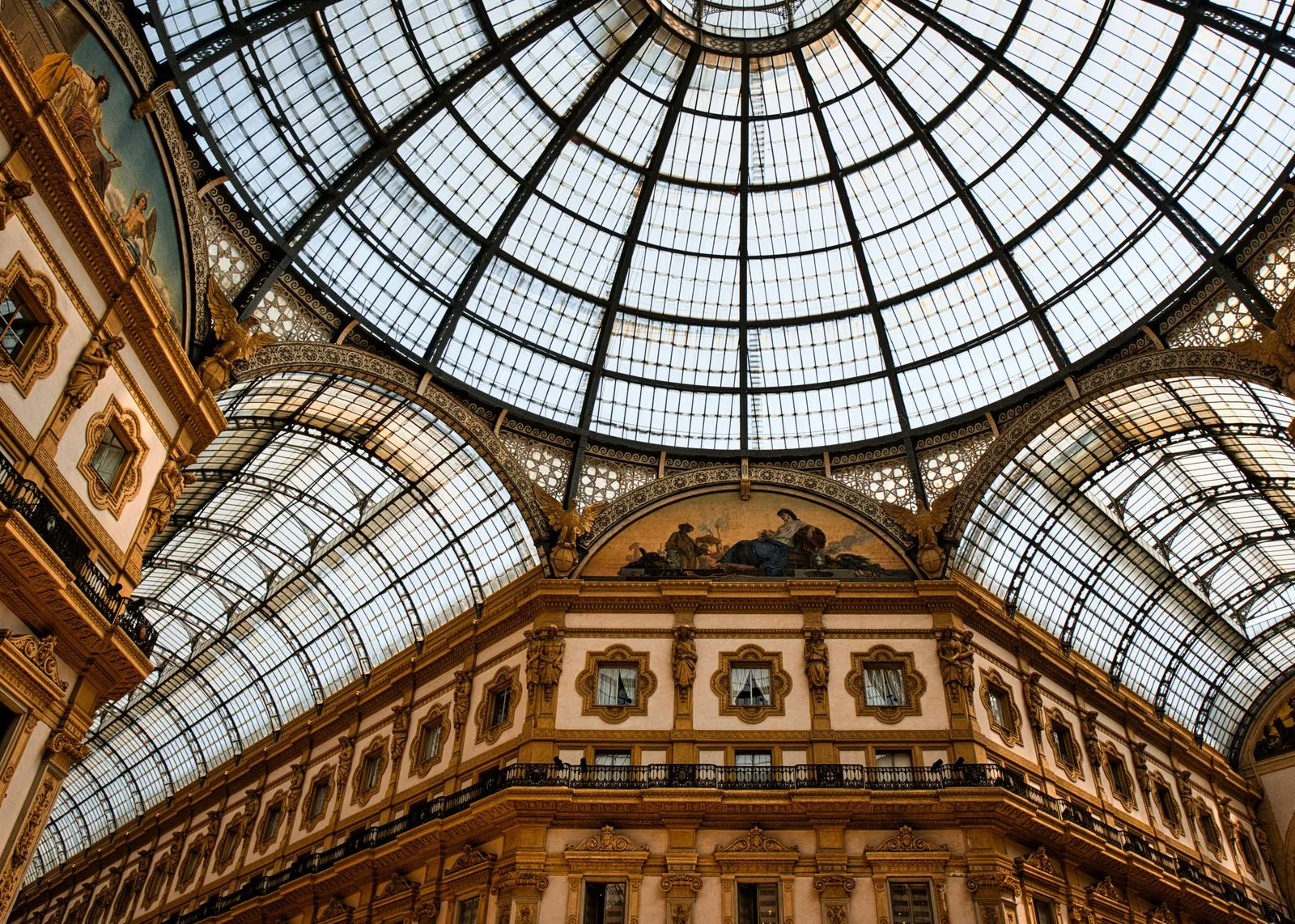
Galleria Vittorio Emanuele II
The world's most beautiful shopping arcade — an 1877 iron-and-glass cathedral of commerce connecting the Duomo to La Scala. Spin on the bull mosaic for luck, drink a €20 Campari, and feel absolutely no regret.
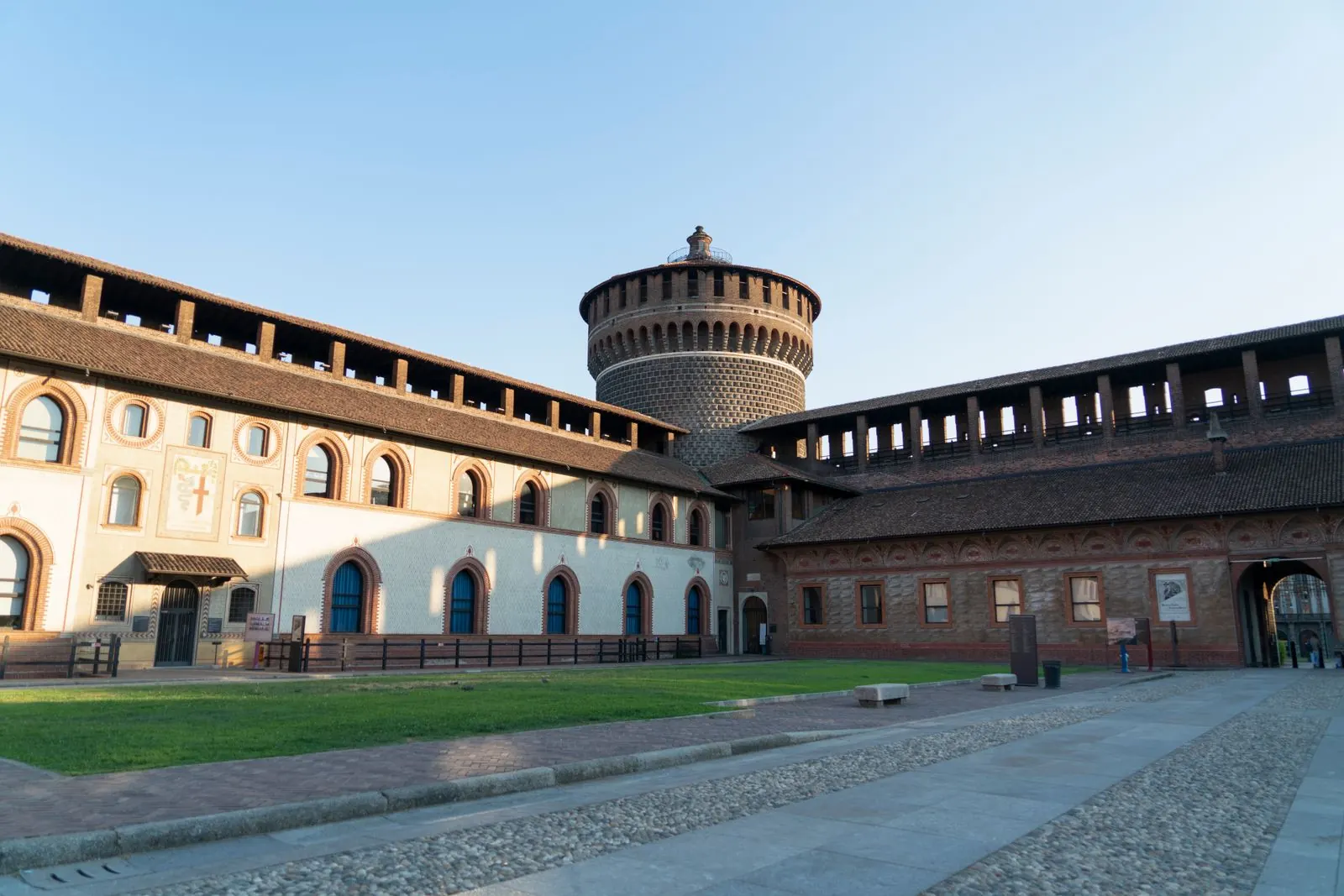
Castello Sforzesco
The fortress that made Milan a Renaissance capital. Built by the Visconti, expanded by the Sforzas, and home to Michelangelo's last sculpture — the Rondanini Pietà — left unfinished at his death.
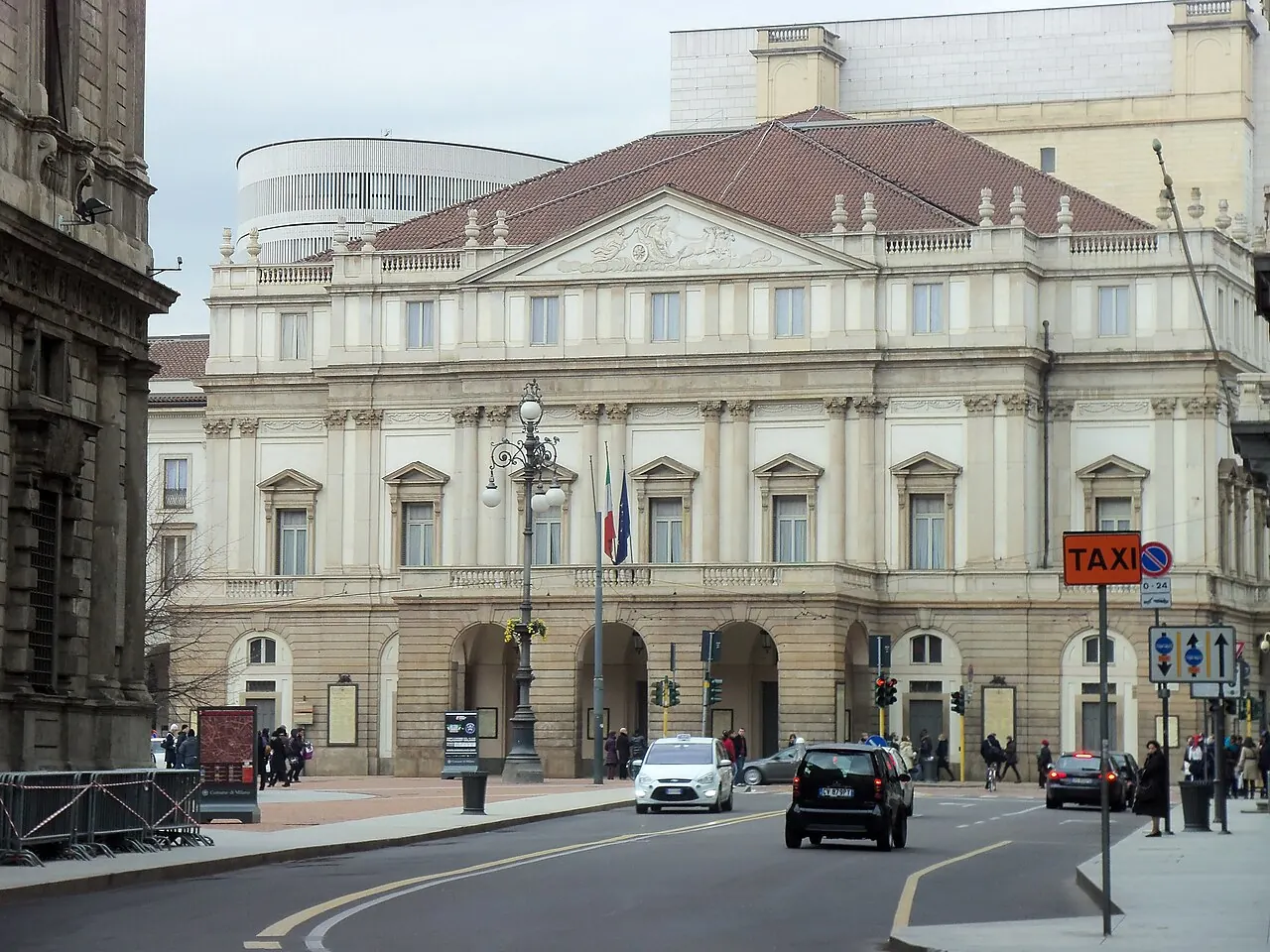
Teatro alla Scala
The world's most famous opera house, opened in 1778. Even if you can't get a ticket to a performance, the museum is extraordinary — Verdi's top hat, Toscanini's baton, costumes from three centuries of opera.